Tuareg rebels seize control of Kidal following wave of coordinated attacks in Mali
The seizure of the northern town occurs two days after fighting was reported near the capital's airport and air base.
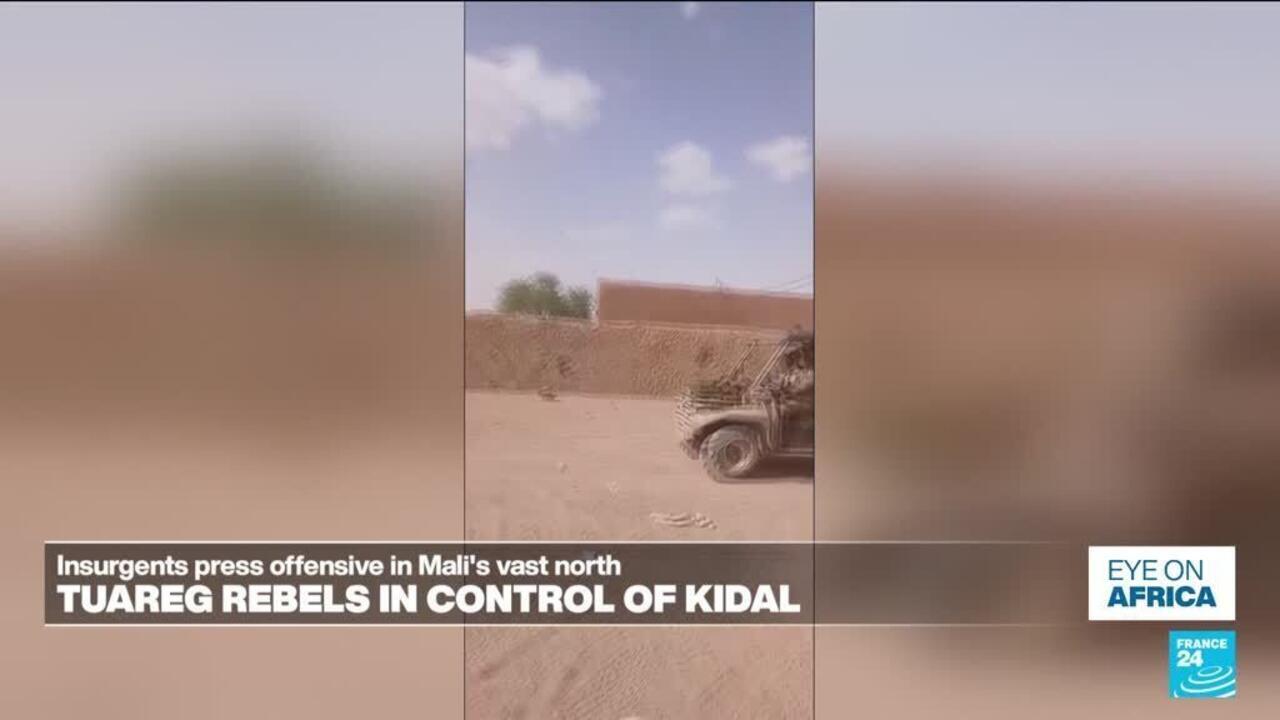
Tuareg rebels have taken control of the northern Malian town of Kidal, a development that follows a wave of coordinated attacks launched across the country two days prior. The escalation has left the nation on edge as the military leadership grapples with the rapid shift in the security landscape of the region.
Mali's army reported on Saturday that unidentified armed groups, which the military describes as "terrorist" groups, attacked military positions in the capital, Bamako, and several interior towns. The locations involved in the initial unrest included Kati, Gao, and Sevare, with the conflict spreading quickly through the interior.
Fighting was ongoing at the time of the initial reports, with sustained heavy weapons and automatic rifle fire heard near Modibo Keïta International Airport and an air base. Residents and journalists in the capital described the intensity of the engagement, noting that the violence disrupted key military installations in the country's main city.
General Assimi Goita, a key figure associated with the current military leadership in Mali, oversees the government's response to these developments. The army's assessment identifies the attackers as "terrorist" groups, though the specific identity of the armed groups attacking military positions in Bamako and other towns remains unconfirmed by the military in its initial statements.
The seizure of Kidal occurred two days after the broader wave of coordinated attacks destabilised the nation. While a direct causal link between specific Saturday attacks and the outcome in Kidal is not explicitly detailed in the source text, the timeline suggests a rapid deterioration of the security situation following the initial assaults on the capital and interior towns.
In related regional security developments, a separate incident in Chad involving a clash between two families over a water point resulted in 42 deaths and a cycle of reprisals. This event highlights the broader volatility affecting the Sahel region, even as distinct conflicts unfold in different nations.