TSMC accelerates Arizona factory buildout amid AI demand surge
The semiconductor giant is increasing capital expenditure to meet robust customer demand, citing a significant 'megatrend' in artificial intelligence chip requirements.
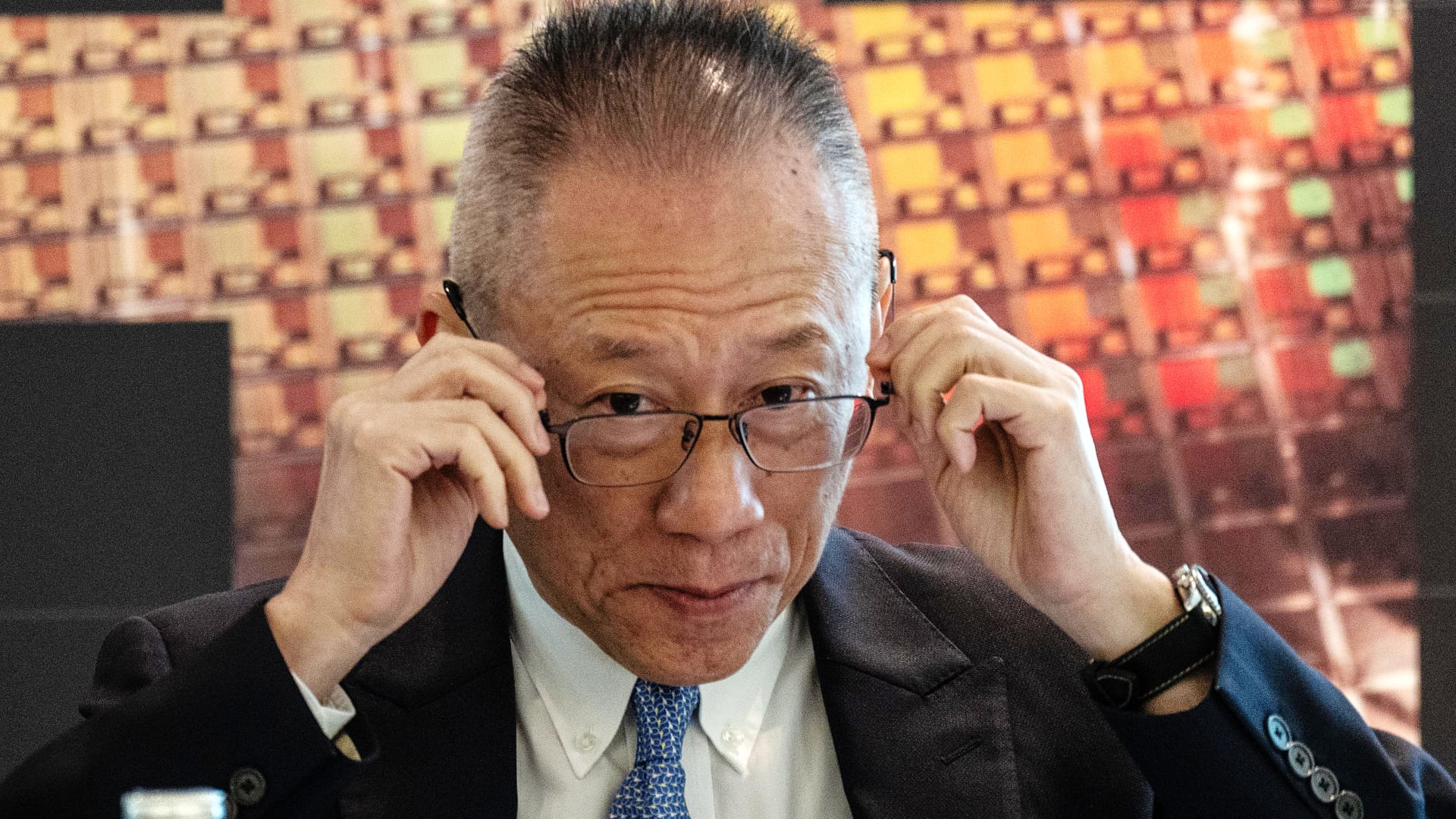
TSMC is accelerating the construction of its manufacturing facility in Arizona to increase capacity for artificial intelligence chips. The expansion is a direct response to robust customer demand, according to Chief Financial Officer Wendell Huang.
Huang confirmed the strategic move in an exclusive interview with CNBC, stating that the fresh investment is designed to capitalise on what he described as a significant "megatrend" in AI chip demand. The company is positioning this buildout to meet the growing requirements of its client base as AI workloads continue to expand.
The decision to ramp up construction comes as the broader semiconductor industry faces physical limitations with traditional infrastructure. Investment in silicon photonics is accelerating rapidly as AI clusters encounter the "copper wall," a bottleneck where signal degradation occurs over distances greater than one metre and power consumption becomes prohibitive for traditional copper wiring.
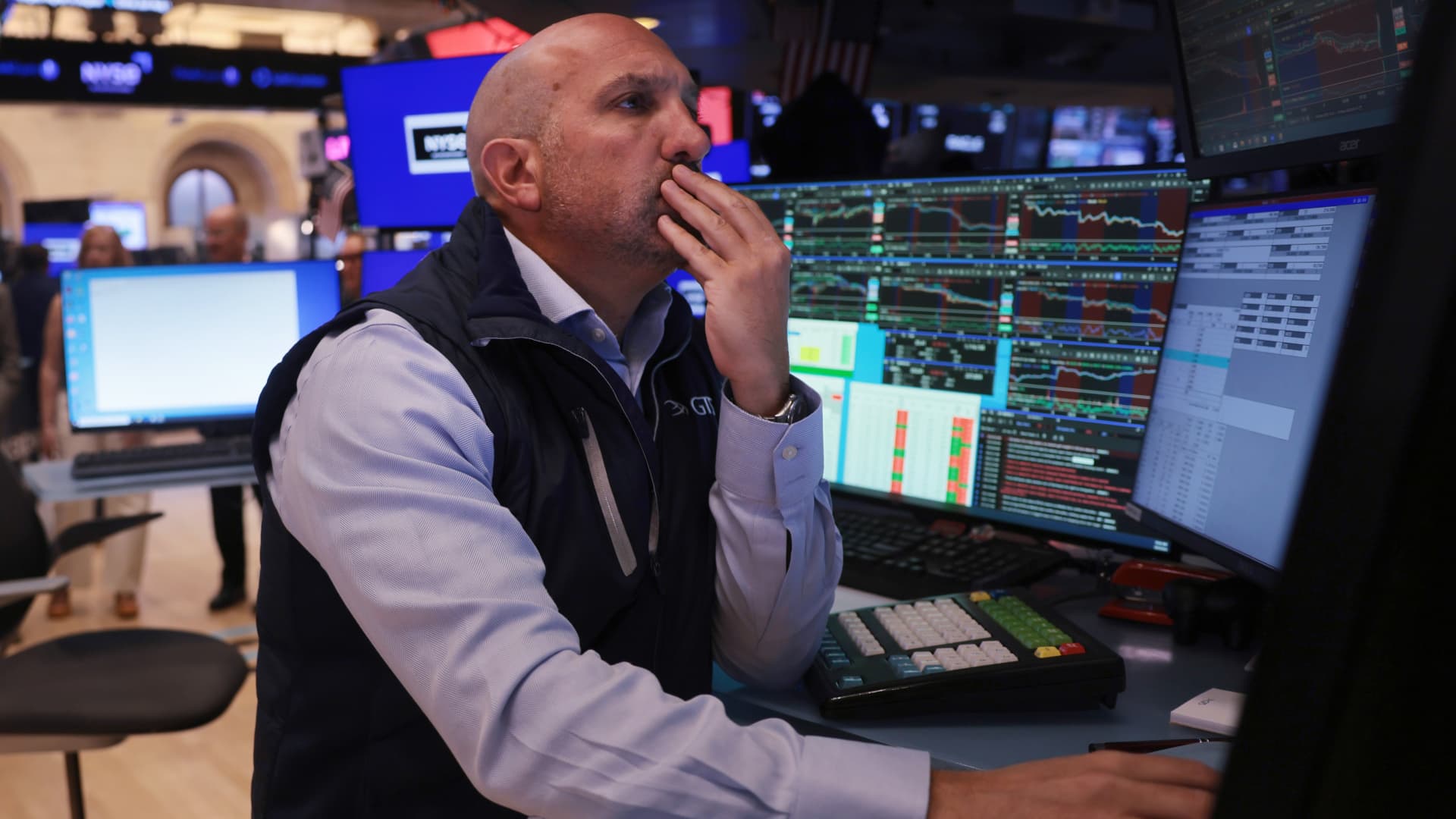
This development occurs against a backdrop of positive momentum in US equity markets. Recent trading sessions saw the Dow Jones Industrial Average gain 0.8%, the S&P 500 rise 0.3%, and the Nasdaq Composite climb 0.2%. Nvidia shares surged more than 2% following news that the US approved H200 chip sales to Chinese firms.
Geopolitical tensions remain a concurrent factor in global trade, with President Donald Trump and Chinese President Xi Jinping commencing a two-day summit in Beijing to address trade, artificial intelligence, and regional security issues. While these diplomatic discussions highlight the complex environment in which technology firms operate, TSMC’s current expansion is framed primarily around meeting immediate industrial demand.
The specific financial figures or detailed timeline for the accelerated buildout were not disclosed in the interview. The exact volume of customer demand driving the expansion also remains unquantified in the available reporting.