Trump’s shifting claims on Iran deal fuel policy uncertainty
Washington and Israel react with alarm and backlash as diplomatic talks remain ongoing, casting doubt on the stability of the ceasefire.
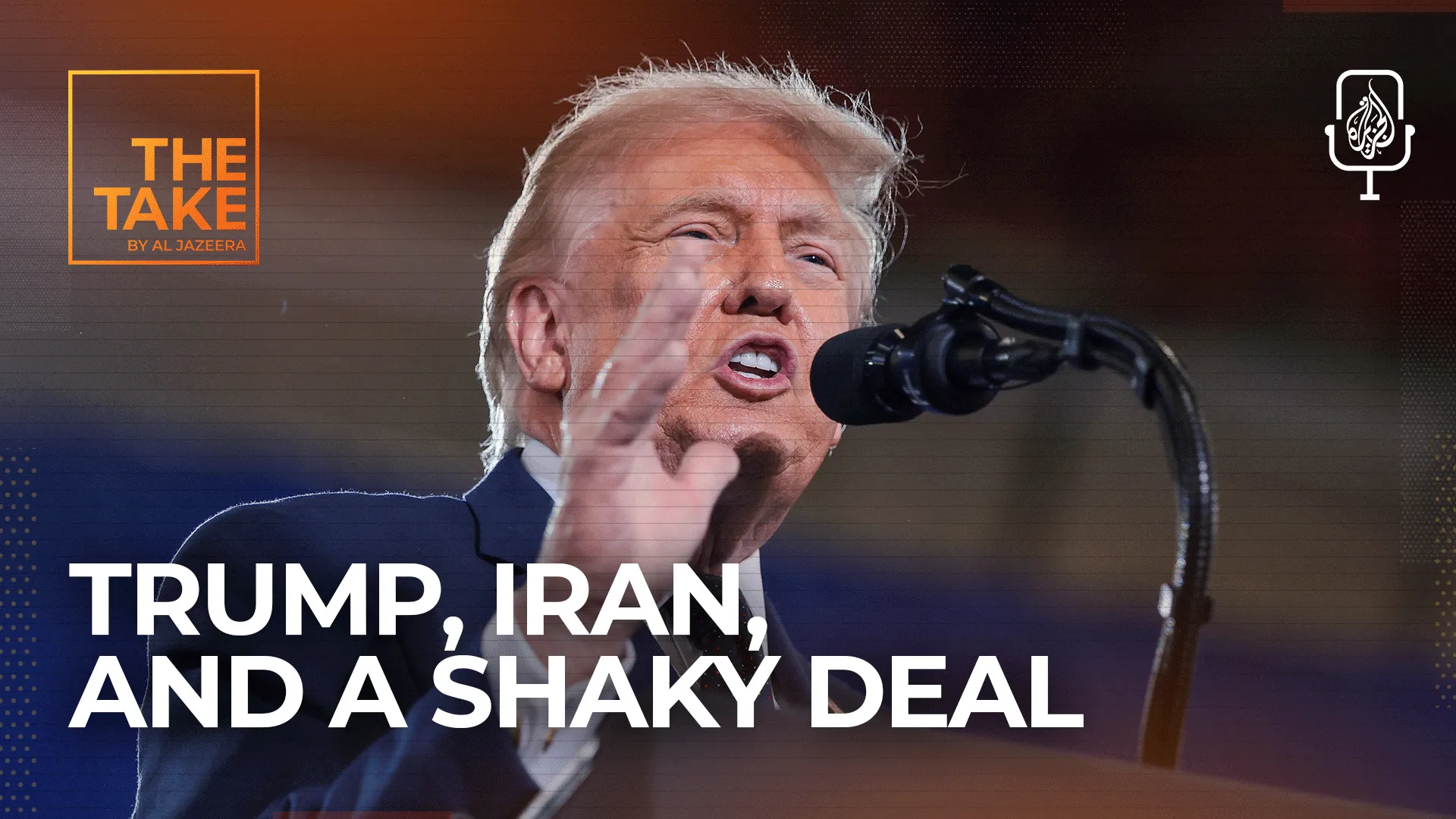
US President Donald Trump has issued contradictory statements regarding the status of negotiations with Iran, initially claiming that a deal was “largely negotiated” before subsequently clarifying that talks were still in progress. This diplomatic pivot follows the circulation of a draft memorandum of understanding, which has triggered significant political backlash within Washington and heightened security concerns in Israel.
The emergence of the draft document has sparked fresh questions regarding the trajectory of sanctions policy and nuclear discussions. Despite the two nations appearing closer to a broader agreement, substantial disputes persist over the specifics of sanctions relief, complicating efforts to finalise a comprehensive settlement.
The current ceasefire between the US and Iran has been described as “shaky,” reflecting a history of instability in bilateral relations. The uncertainty surrounding the draft memorandum has amplified anxieties about the durability of the truce, with observers noting that the gap between rhetorical claims and diplomatic reality remains wide.
Reactions to the developing situation have been distinct across allied capitals. While the draft has provoked internal political friction in the United States, it has also generated alarm in Israel, underscoring the regional security implications of any potential accord. The divergent responses highlight the complex geopolitical landscape in which these negotiations are taking place.
As talks continue, the precise terms of the memorandum remain unclear, leaving the nature of the disputes over sanctions relief ambiguous. The situation underscores the challenges faced by policymakers in balancing immediate diplomatic gains with long-term strategic stability, particularly in a region marked by ongoing tensions and competing interests.