Trump’s secret plane swap exposes personal stakes of Iran conflict
President Donald Trump’s covert departure from the NATO summit in Turkey, utilising an alternate aircraft while media remained on a decoy jet, underscores the ongoing security risks amid the US military campaign against Iran.
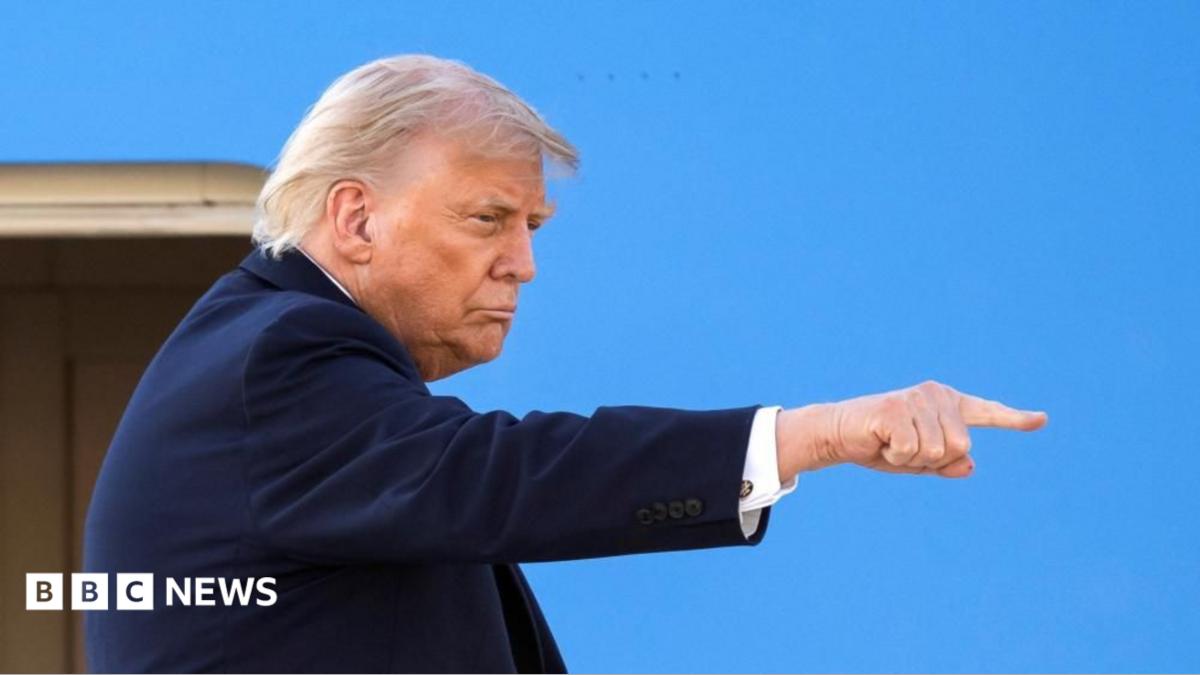
President Donald Trump secretly departed the NATO summit in Ankara, Turkey, on an alternate military aircraft, leaving the presidential Air Force One 747 jet as a decoy with media and White House staff on board. The Secret Service transported Trump via a catering truck in response to credible intelligence regarding an Iranian missile threat. This security operation occurs amidst an ongoing US military campaign against Iran, following an Israeli airstrike that killed Ayatollah Ali Khamenei and other top Iranian leaders with US approval.
The operation took more than a month to come to light, with window shades on the decoy plane reportedly closed during takeoff from Ankara. Defence Secretary Pete Hegseth stated that Iran tried to kill President Trump and that the President "got the last laugh," noting the killing of an unnamed Iranian assassination unit leader in US strikes. Trump told ABC correspondent Jonathan Karl that he "got him before he got me," linking the recent Iranian threats to past alleged plots against him.
Government security experts have said such measures are not unusual when a president travels in or near a warzone. Past presidents have travelled to places like Afghanistan, Iraq and Ukraine under cover of secrecy – but never without at least some prior knowledge by media outlets, under agreements that they would not disclose the movement until after the fact. The optics of Trump hiding in a catering truck from an apparent Iranian threat are less than ideal for a president who has repeatedly touted his strength.
Iranian threats against Trump are not new, however. After Trump, in his first term, ordered the January 2020 missile strike that killed Iranian Revolutionary Guard Corps (IRGC) leader Qasem Soleimani, Iran's leaders promised reprisals against the American president and senior administration leaders. In one instance, an Iranian mural depicted a drone targeting Trump while he played golf in Florida. It appears that there were more to these Iranian threats than just posturing.
Signs calling for Trump's death are often seen during anti-US and anti-Israel rallies in Iran. At the funeral service for Khamenei, held the day before Trump departed Turkey, participants carried a banner that read "#KillTrump". The following week, in a square in central Tehran, a building featured a large mural of the American president, lying in a black coffin, with the words "We will kill Trump" and "Blood for blood" written below it. Iran has denied involvement in any previous plots against Trump, but the message – delivered after Khamenei's death and reports of Iranian civilian casualties in US and Israeli strikes – has been clear.
The war, Iranians are saying, is far from over. And Trump, himself, is a target for revenge. On the final leg of the journey back to the US from Turkey, as Trump and his travelling media pool were reunited on the same aircraft, the president came back to the press cabin to talk to reporters. They asked about the unusual journey, which included an order by the Secret Service that the window shades on the decoy plane be closed during takeoff from Ankara. "I have read all the time I'm number one on their list," he told them.