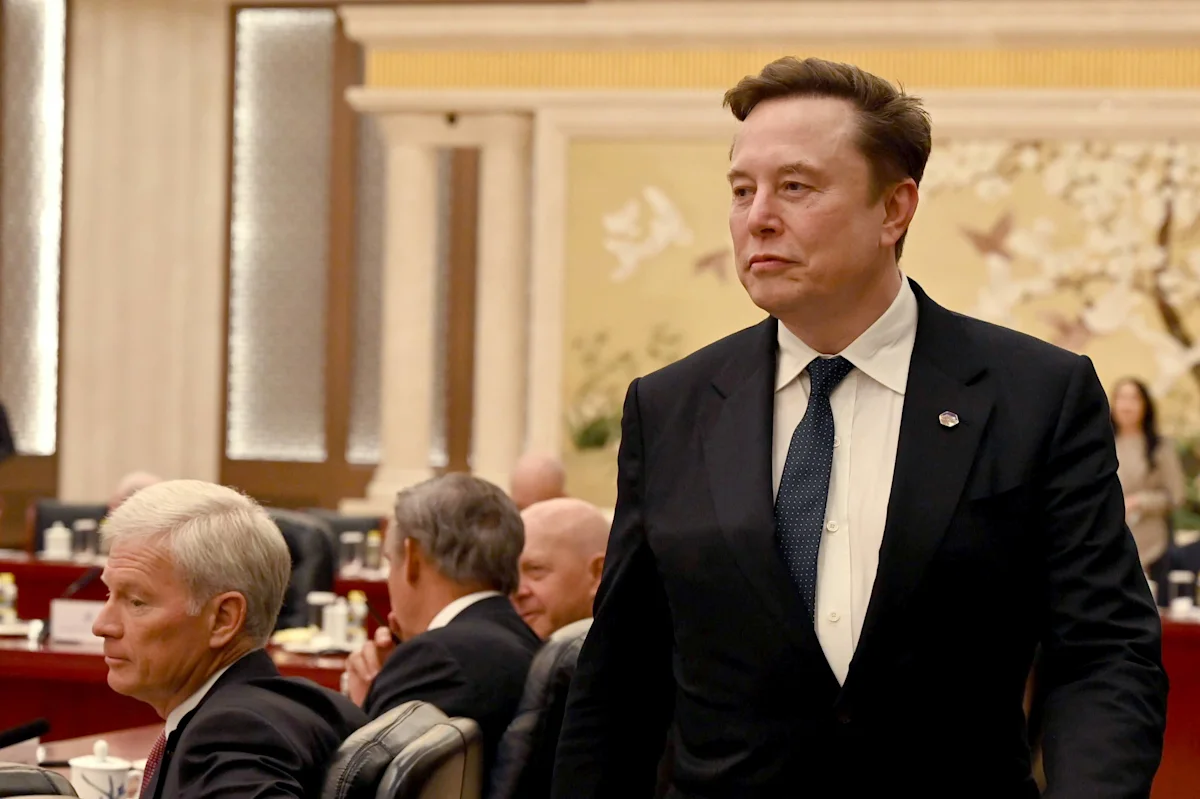
Trump’s $337 million bond portfolio faces test under hawkish Fed Chair Kevin Warsh
President Donald Trump’s extensive bond purchases are now inextricably linked to the Federal Reserve’s monetary policy, with hawkish Chair Kevin Warsh poised to determine the fate of the US President’s multimillion-dollar fixed-income bets.
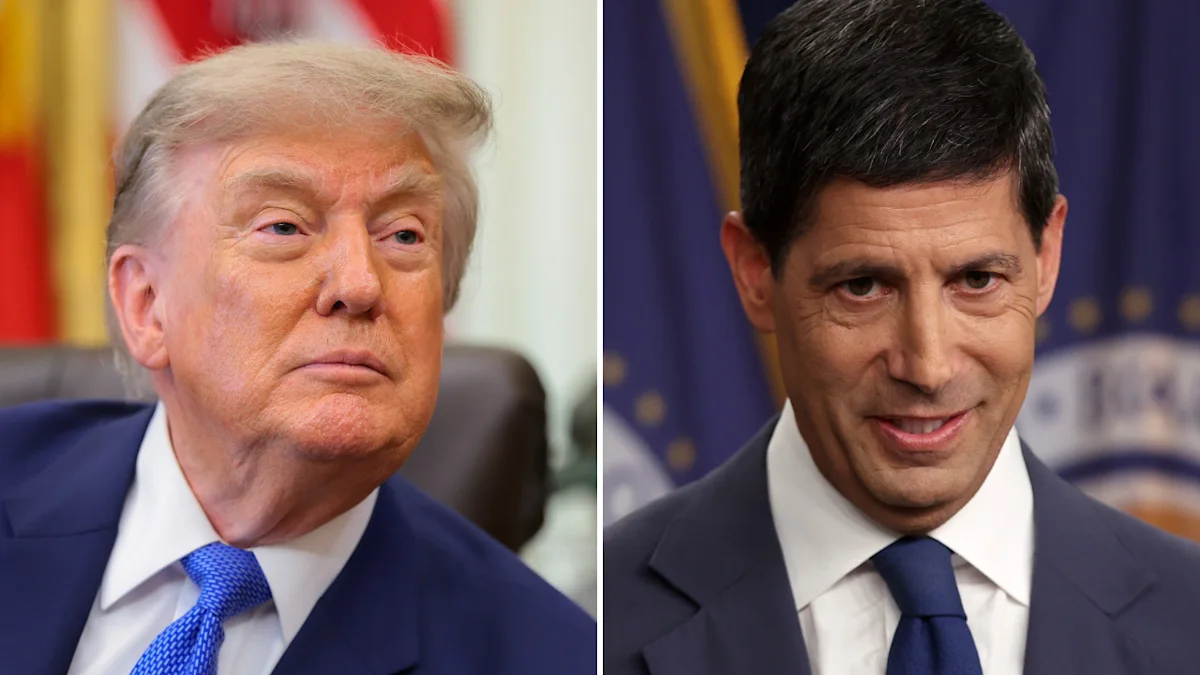
President Donald Trump has continued his aggressive strategy of purchasing corporate and municipal bonds during his second term, acquiring at least $51 million in March 2026 alone. According to financial disclosures filed with the Office of Government Ethics, the President executed 175 financial transactions in that month, adding to a total bond investment value of more than $337 million for the current term. While the disclosures report values in broad ranges rather than exact amounts, the scale of the purchases has drawn significant attention from market observers.
The March acquisitions spanned a wide range of corporate bonds, including issuances from Nvidia, Broadcom, Meta, Microsoft, Boeing, Constellation Energy, and Occidental Petroleum, alongside major Wall Street banks and US Treasuries. The majority of the purchases, however, consisted of municipal bonds issued by states, counties, school districts, and other public entities. Although the White House maintains that these investments are managed by independent third-party financial institutions, the moves have raised concerns about potential conflicts of interest.
The performance of these holdings is now heavily influenced by the Federal Reserve, which is led by hawkish Chair Kevin Warsh. Warsh assumed the role from Jerome Powell in May 2026 and has stated that he made no promises to President Trump regarding specific interest rate decisions. Despite this, Warsh has indicated openness to rate cuts if an AI-driven productivity boom occurs, while also calling for "regime change" at the central bank, including changes to how it measures inflation.
Investors face a complex environment as the Federal Reserve held its benchmark interest rate at 3.50% to 3.75% in July, with three officials favouring a rate hike. Long-term borrowing costs have remained elevated, with the 30-year Treasury yield reaching 5.34%, its highest level since 2007. This divergence between steady benchmark rates and rising long-term yields creates uncertainty for bond prices, which generally move in opposite directions to yields.
Adding to the market dynamics, Treasury Secretary Scott Bessent has announced plans to double buybacks of 10- to 30-year Treasury bonds from $2 billion to at least $4 billion per operation. Bessent has indicated the Treasury could increase these purchases further. These moves are distinct from Federal Reserve rate cuts, as the Treasury is managing government debt while the Fed manages monetary policy, meaning inflation and economic growth can continue to push yields in either direction.
For Trump’s bond portfolio, the outcome depends on whether yields decline, which would increase the value of existing bonds, or if inflation remains stubborn and rates rise, putting pressure on bond prices. While bonds can provide regular income and help offset stock market volatility in a diversified portfolio, the current uncertainty means that the President’s fixed-income bets are less straightforward than a simple wager on falling rates.