Trump weighs military escalation as US public opposition to Iran war deepens
President Donald Trump faces growing domestic resistance to conflict with Tehran as the Strait of Hormuz remains largely closed and oil prices surge, even as Iran declares its military readiness for further aggression.
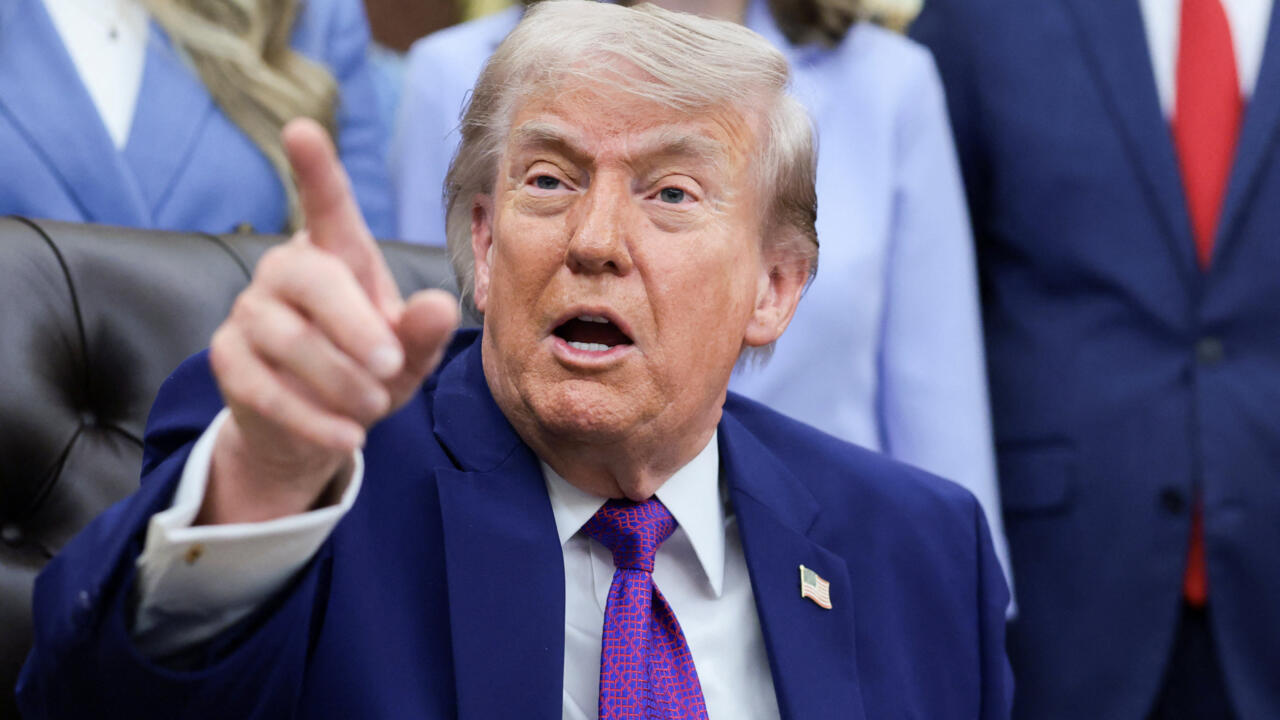
US President Donald Trump is scheduled to convene with national security advisers on 19 May to deliberate on potential military action against Iran, a move that comes as diplomatic channels between Washington and Tehran remain stalled. The President has issued warnings that the "clock is ticking" for Tehran, yet he simultaneously contends with a domestic political landscape where support for the conflict is eroding.
The strategic calculus is complicated by a drone strike near a nuclear facility in the United Arab Emirates, an incident that has heightened fears of regional escalation. In response to the intensifying rhetoric, Iran’s Ministry of Defence spokesperson, Reza Talaei-Nik, stated on Sunday that the military is "fully prepared" to confront any new aggression from the United States and Israel, signalling a hardening of Tehran’s defensive posture.
Economic indicators reflect the severity of the geopolitical standoff. Global equity markets declined on Monday, 18 May, following fresh drone attacks in the Gulf region. Brent crude oil traded near $110.50 a barrel, while rising bond yields have stoked inflation concerns across major financial centres. The unrest has effectively kept the Strait of Hormuz largely closed to shipping, disrupting a critical waterway that handles approximately 20 per cent of the world’s oil and gas trade.
Despite the escalating tensions and security incidents, King Charles’s four-day state visit to the United States is proceeding as planned. The visit, which aims to strengthen US-UK relations and mark the 250th anniversary of American independence, includes a private meeting with President Trump. Buckingham Palace has confirmed the itinerary remains unchanged despite the broader security concerns surrounding the conflict.
Domestically, the administration faces a significant hurdle in maintaining public consent for the war. The conflict, now in its eighth day, is described as growing "more unpopular by the day" within the United States. As the President weighs further military options, the divergence between official warnings and declining public support presents a complex governance challenge for the White House.