Trump warns Netanyahu Israel faces isolation if Iran strikes resume
Tensions escalate following mutual missile exchanges, prompting a fragile pause in fighting and renewed diplomatic pressure from Washington.
US President Donald Trump has issued a stark warning to Israeli Prime Minister Benjamin Netanyahu, stating that Israel may be forced to fight alone if it resumes military operations against Iran. The admonishment coincides with a mutual pause in hostilities between the two nations, marking the first cessation of direct attacks since a fragile, US-brokered ceasefire was established in early April 2026. Trump, who has reportedly grown increasingly exasperated with the Israeli leadership, posted on his Truth Social platform demanding that both sides stop “shooting,” noting that final negotiations towards peace would proceed “subject to ignorance or stupidity getting in its way”.
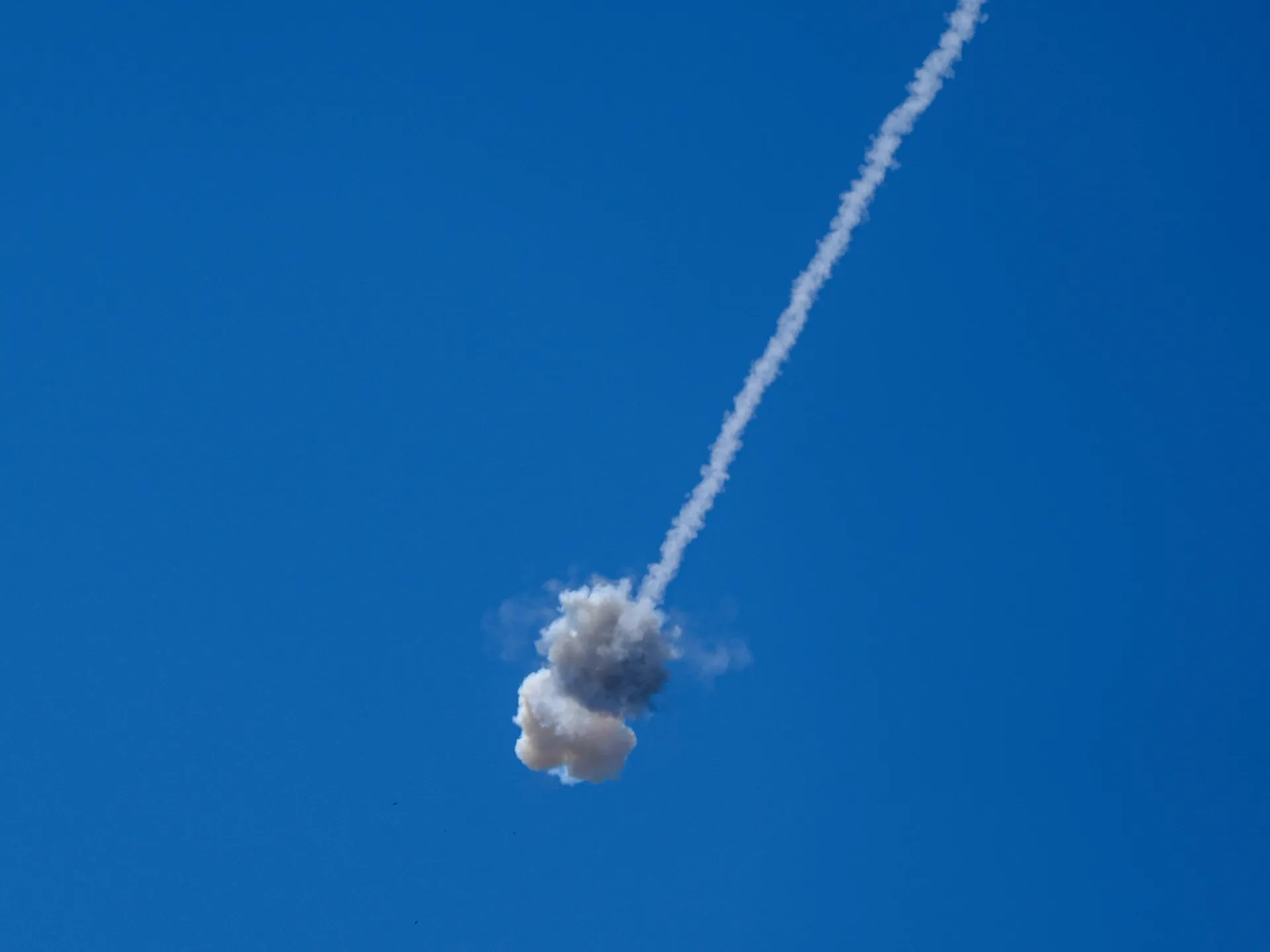
The escalation began on Sunday following Israel’s bombardment of Beirut’s southern suburbs, which killed two people and wounded 20. Iran responded with a wave of missiles targeting northern Israel, prompting Israeli forces to strike Iranian air defence systems and a petrochemical plant early on Monday. Iran retaliated by hitting a similar facility in Haifa and targeting two Israeli airbases, with many of the exchanged missiles intercepted over the occupied West Bank. Despite reports that Trump called Netanyahu on Sunday evening to urge restraint, the Israeli military proceeded with the strikes before agreeing to a halt in operations later that day.
In a televised statement, Netanyahu defended the military action, asserting that Israel has a “full right to self-defence” and had exercised it as required. He claimed that the immediate threat had been contained, stating, “Right now, the fire at the front is contained, because after we hit the terrorist regime in Tehran, it stopped attacking us.” However, he warned that Israel would respond with “full force” should Iran resume attacks. Israel’s ambassador to Washington, Yechiel Leiter, sought to downplay reports of friction between the leaders, telling Fox News that “sometimes, lovers have a spat” and that the US president understands Israel’s need to respond to ballistic missile threats.
Diplomatic channels remain active despite the violence, with indirect peace negotiations mediated by Pakistan continuing between Washington and Tehran. Iranian President Masoud Pezeshkian posted on X that Tehran remained “at the negotiating table,” while Iran’s UN ambassador, Amir Saeid Iravani, expressed hope that a conclusion to the talks would be reached “very soon”. Conversely, Iran’s Ministry of Foreign Affairs spokesperson, Esmaeil Baghaei, blamed Washington for the escalation, arguing that the US is “directly responsible” as a party to the ceasefire negotiations and any violations thereof.
The conflict has drawn in additional regional actors, with Yemen’s Houthi rebels launching missiles at Israel and banning Israeli maritime navigation in the Red Sea. Violence also persisted in southern Lebanon, where Israeli strikes in Tyre, Nabatieh, and Marwanieh resulted in at least 14 deaths according to the Lebanese Ministry of Health. UN Secretary-General Antonio Guterres called on all parties to respect ceasefires, warning that “the only way forward is through dialogue and negotiations.” Meanwhile, Phyllis Bennis of the Institute for Policy Studies suggested Trump’s rhetoric may not align with policy, citing continued military aid and protection from international accountability.