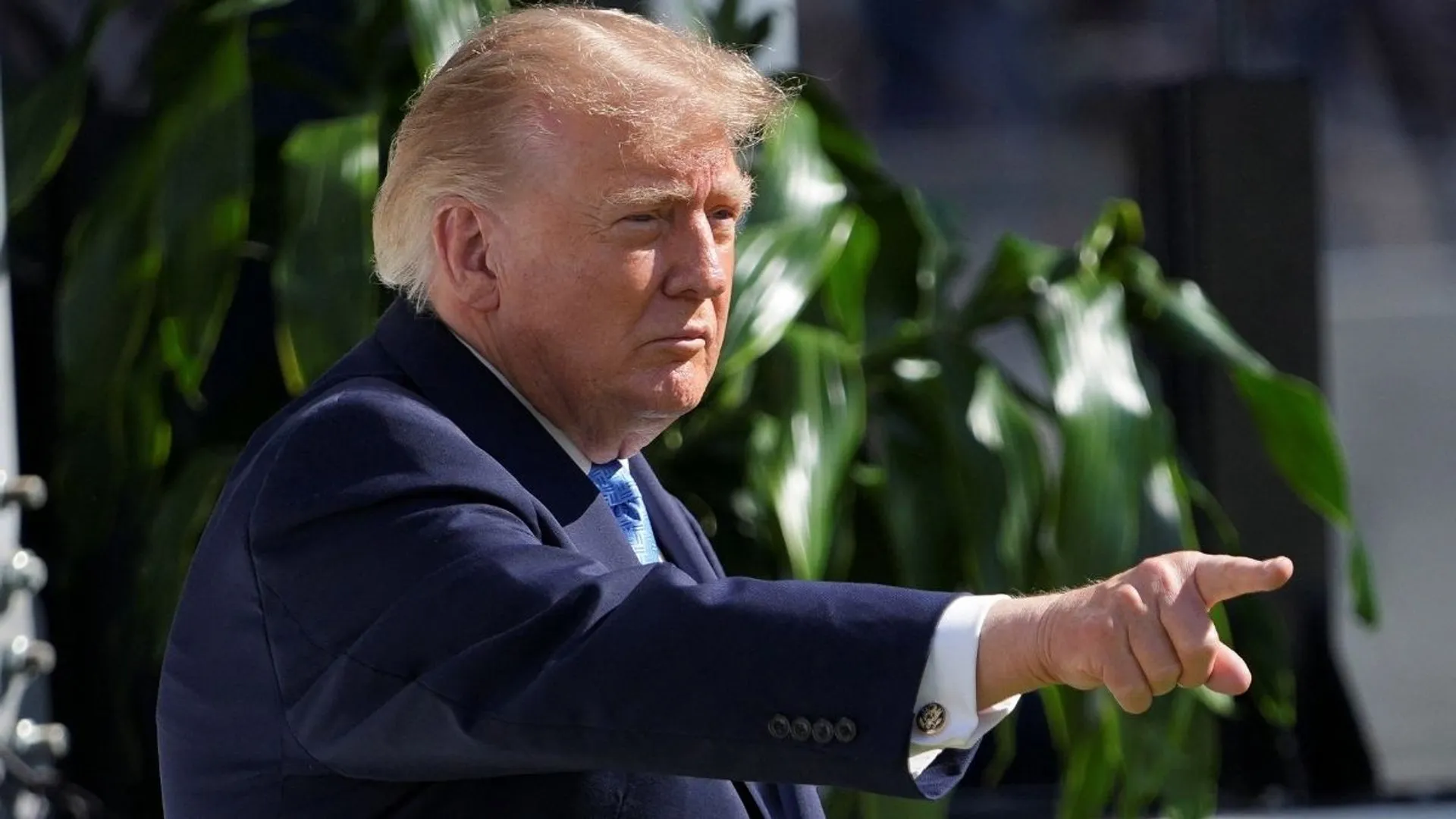
Trump vows response after Iran shoots down US helicopter in Hormuz Strait
Two pilots rescued and stable as President Donald Trump accuses Tehran of downing the aircraft, while Iran’s top negotiator cites broken commitments
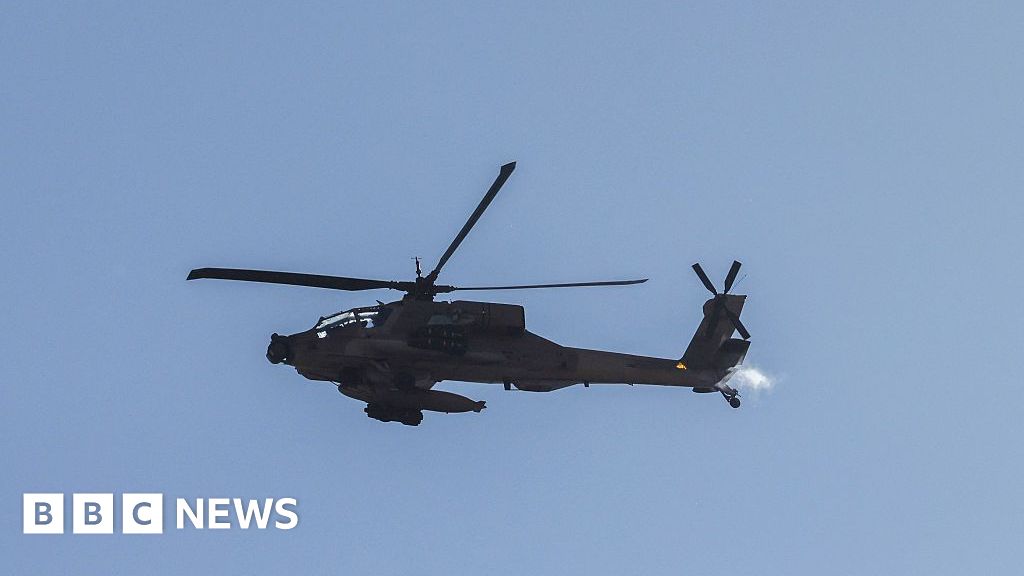
President Donald Trump has accused Iran of shooting down a United States AH-64 Apache helicopter near the Strait of Hormuz, declaring that Washington must respond to the attack out of "necessity". The incident marks the first loss of an Apache aircraft since the conflict with Iran began, casting a shadow over recent diplomatic overtures from the White House.
In a statement posted on Truth Social, Trump confirmed he had been informed by the military that Iranian forces had targeted the "highly sophisticated Apache Helicopter" while it was patrolling the strategic waterway. He emphasised that despite the safety of the crew, a US response was inevitable.
US Central Command (Centcom) confirmed that the helicopter went down near the coast of Oman while conducting patrols over regional waters. Two pilots involved in the crash were rescued by an American sea drone approximately two hours after the incident. Officials verified that both soldiers are safe, uninjured, and in stable condition.
The timing of the downing is significant, occurring shortly after Trump stated that Washington was in the "final throes" of reaching a deal with Tehran to end the regional conflict. The juxtaposition of imminent diplomatic resolution and immediate military escalation underscores the volatility of the current geopolitical landscape.
Iran’s top negotiator, Mohammad Baqer Qalibaf, appeared to justify the attack in a post on X, suggesting the strike was a direct consequence of perceived US failures. "We prefer the language of diplomacy, but we speak other languages far more fluently. Break your commitments, and we'll switch to what we speak best," Qalibaf wrote, implying the attack was a response to a break in agreements.
It remains unclear what specific measures the United States will take in response to the incident. The event adds a new layer of complexity to the ongoing conflict, challenging the administration’s narrative of imminent diplomatic success.