Trump to meet Xi in Beijing as China asserts economic and technological independence
Beijing leverages its role as a stable global partner while navigating persistent tensions over trade, technology, and regional security.
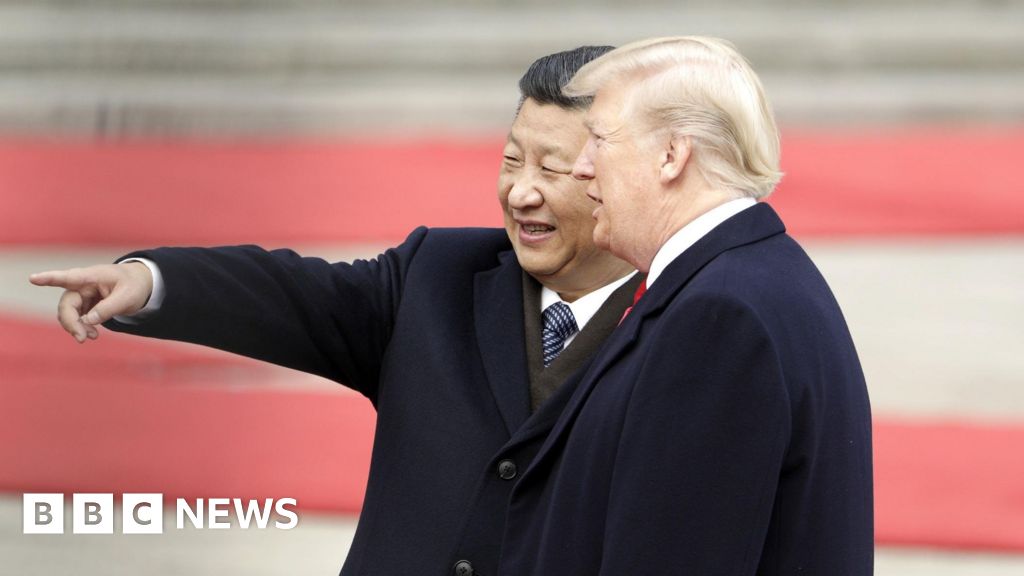
US President Donald Trump is scheduled to visit Beijing this week for a summit with Chinese leader Xi Jinping, marking the American president’s first trip to China since 2017. The visit is set to include a rare stop inside Zhongnanhai, the compound where China’s top leadership resides and works, mirroring the grandeur of Trump’s previous state visit which featured a dinner in the Forbidden City. The agenda for the summit is expected to address persistent trade tensions, restrictions on technology exports, the situation in Taiwan, and the ongoing conflict in Iran.
Analysts describe Beijing as arguably the most powerful competitor the United States has faced in its history. This assessment reflects a decade of significant change, during which China has positioned itself as a more assertive global actor. Under Xi Jinping’s leadership, the Chinese government has pursued ambitious plans for "new productive forces," directing heavy state investment into renewable energy, robotics, and artificial intelligence. The goal is to showcase technological progress and economic resilience, aiming to portray China as a stable partner in a volatile international landscape.
The economic landscape between the two nations has shifted considerably since Trump’s last visit. China’s exports to the US have fallen by approximately 20% in recent years, with America now ranking as China’s third-largest trade partner, trailing behind Southeast Asia and the European Union. In response to trade pressures, Chinese businesses are diversifying their supply chains. Local firms in cities like Chongqing are utilising new direct rail links to Europe, established under Xi’s initiative, to reduce reliance on the US market and expand access to international clients.
Technology remains a critical point of contention and cooperation. While the Chinese government has relaxed some semiconductor restrictions, allowing US firm Nvidia to sell certain advanced chips to China, the most cutting-edge models remain restricted. This policy adjustment comes as China seeks to bolster its robotics sector, with the state planning to invest around $400bn in robotics this year alone. Chongqing, which aims to become the "Silicon Valley of western China," is at the heart of this industrial transformation, leveraging automation to reshape its manufacturing base.
Beyond economic and technological issues, Trump is seeking China’s assistance in brokering a deal to end the war in Iran, highlighting Beijing’s pivotal role in Middle Eastern diplomacy. The summit represents an opportunity for both leaders to manage strategic competition while addressing immediate global crises. For Beijing, the visit serves to reinforce its message of openness and integration with the international community, even as it maintains strict domestic control and navigates internal economic challenges such as a struggling property sector and rising local government debt.