Trump to attend G7 summit in France despite Iran and tariff tensions
Diplomatic engagement continues in Europe even as military and legislative pressures mount over Middle East policy and international trade disputes.
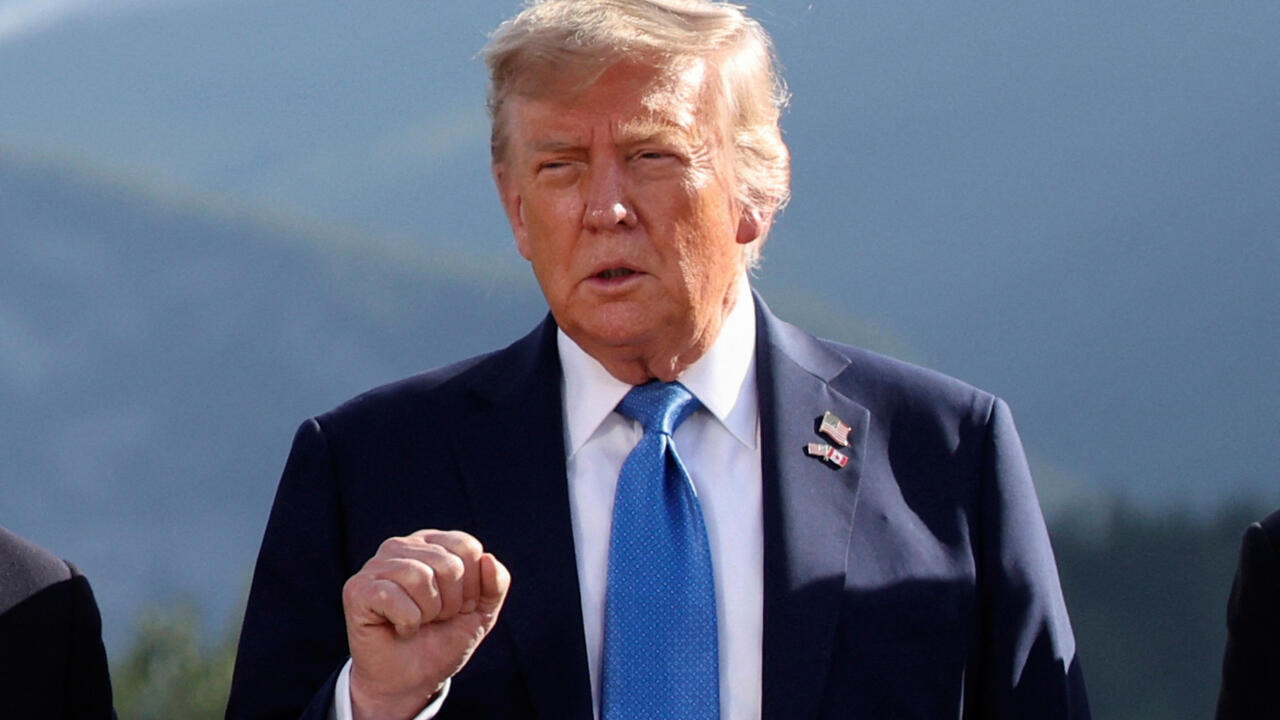
US President Donald Trump will attend the G7 summit in France next month, a White House official confirmed to AFP on Tuesday. The decision to proceed with the diplomatic engagement comes despite persistent tensions between Washington and its allies over divergent policies on Iran and international trade tariffs. The summit is scheduled to take place in France in June, marking a key moment for transatlantic coordination amid a volatile geopolitical landscape.
Concurrent developments in Washington highlight the complex internal dynamics shaping US foreign policy. On Tuesday, President Trump told lawmakers at the White House that the United States "will end the war very quickly" with Iran. This statement was issued alongside reports from Vice President JD Vance, who indicated that progress is being made in ongoing diplomatic talks with Tehran, offering a contrast to recent military threats and ultimatums.
Legislative checks on executive power also advanced on Tuesday, as the US Senate moved a War Powers Resolution by a margin of 50 to 47. The measure aims to restrict the President’s authority to use military force against Iran without explicit congressional authorisation. The procedural vote saw a small number of Republican senators joining their Democratic colleagues, signalling a rare rebuke of the administration’s conduct of the conflict and underscoring the institutional scrutiny surrounding US military options.
Regional tensions remain acute, with Iran warning of "many more surprises" in response to US deadlines regarding nuclear agreements. Meanwhile, market reactions to the shifting diplomatic signals were immediate; Brent crude oil prices fell to a low of $110.16 per barrel following positive signals from the White House and the Gulf, before recovering some losses. Shipping data from LSEG and Kpler showed that two Chinese tankers carrying approximately 4 million barrels of Iraqi crude exited the Strait of Hormuz on Wednesday.
In the broader Middle East theatre, Israeli authorities intercepted a Gaza-bound aid flotilla on Tuesday, transferring 430 activists to Israeli vessels for transport to Israel to meet consular representatives. Additionally, the US has imposed new sanctions on Cuba’s intelligence agency and senior officials following reports that Havana acquired military drones from Russia and Iran, further illustrating the wide-ranging nature of Washington’s current security and diplomatic challenges.