Trump tightens Iran peace deal terms as Strait of Hormuz tensions escalate
New demands on nuclear material and maritime access complicate efforts to end the conflict that began in late February 2026.
US President Donald Trump has revised the terms of a proposed peace agreement aimed at ending the US-Israel war on Iran, sending the updated framework back to Tehran for consideration. According to reports from The New York Times and Axios, the revisions involve toughening the deal’s language and reinforcing specific points, particularly regarding the handling of Iran’s nuclear material. The move signals a hardening of Washington’s stance as it seeks to secure concessions that align with its strategic priorities.
The conflict began on 28 February 2026 following coordinated attacks by the US and Israel on Iran. Key US priorities for any settlement include Iran’s commitment to never develop nuclear weapons and the immediate reopening of the blockaded Strait of Hormuz. This waterway is critical to global energy markets, with roughly 20 percent of the world’s oil supply transiting through it. Despite these demands, US sources told the AFP news agency that the proposal had been awaiting Trump’s sign-off following a White House Situation Room meeting on Friday, where no final decision was made.
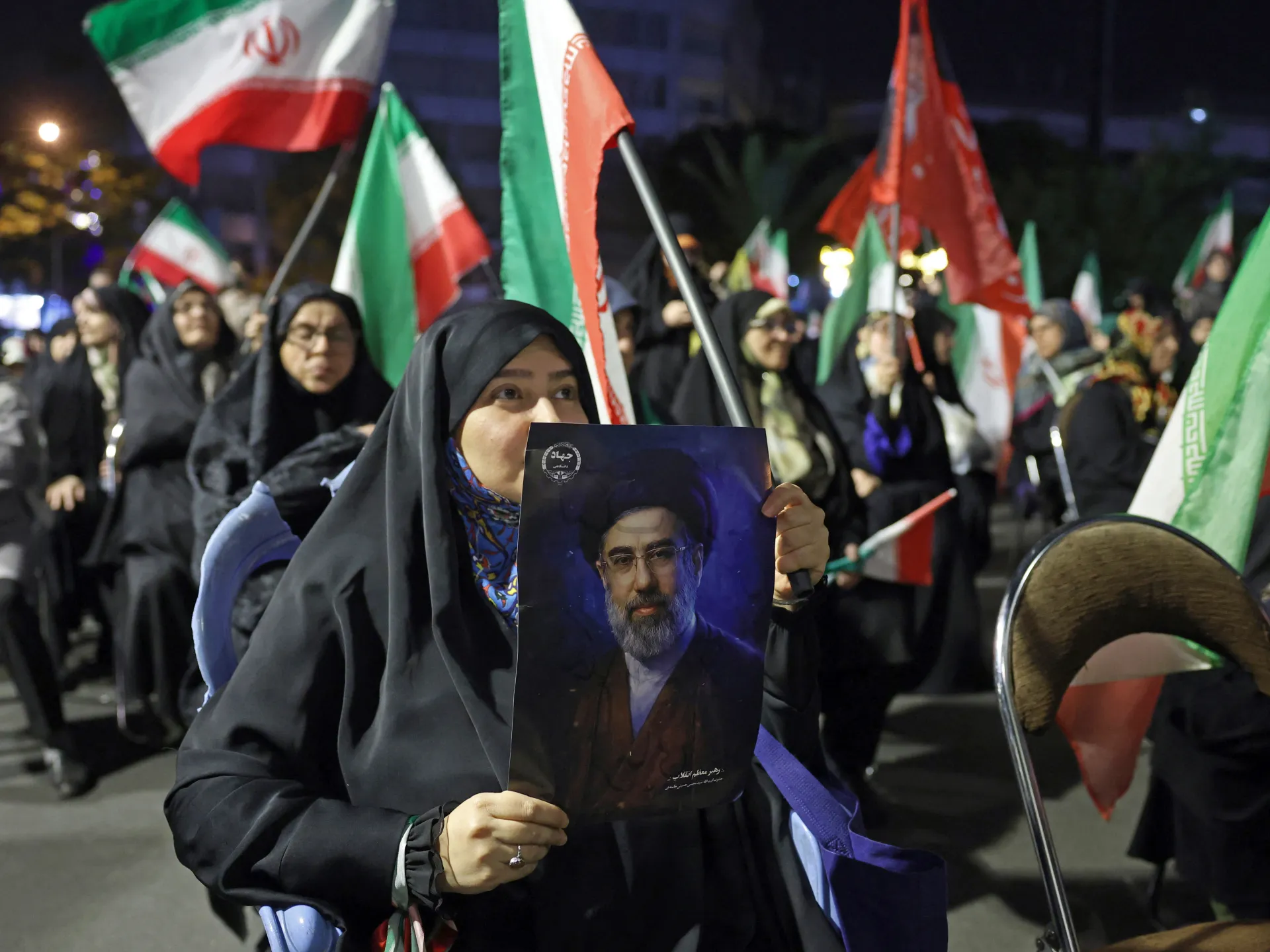
Iran’s military response has been swift and uncompromising. On Saturday, the Khatam al-Anbiya Central Headquarters reasserted control over the Strait of Hormuz, warning that foreign commercial and military vessels would be targeted if they did not comply with regulations governing passage through the strategic waterway. This reassertion of control occurs as Tehran continues to deny intentions to develop nuclear weapons, a stance previously echoed by former US Director of National Intelligence Tulsi Gabbard in March 2025.
US officials indicate that Iran may take up to three days to respond to the new terms, with negotiations potentially lasting a week or more. A senior US official told Axios that the delay is partly due to Iran’s communication infrastructure, stating, “They’re literally in caves, and they’re not using email.” The official added that Washington is willing to wait for the president to get what he asks for, though the timeline for a resolution remains uncertain.
The diplomatic effort unfolds against a backdrop of broader regional instability, including stalled peace talks between Israel and Lebanon, where Israel has deepened its military incursion. As the US pushes for a deal that ends the war on its terms, the combination of military posturing in the Strait of Hormuz and the logistical challenges of engaging with Tehran suggests that a swift resolution is unlikely.