Trump threatens tariffs on Canada as wildfire smoke chokes US cities
As smoke from nearly 900 active blazes degrades air quality across the northern United States, Donald Trump has proposed new levies on Canadian exports, sparking a diplomatic row with Prime Minister Mark Carney and Ontario Premier Doug Ford.
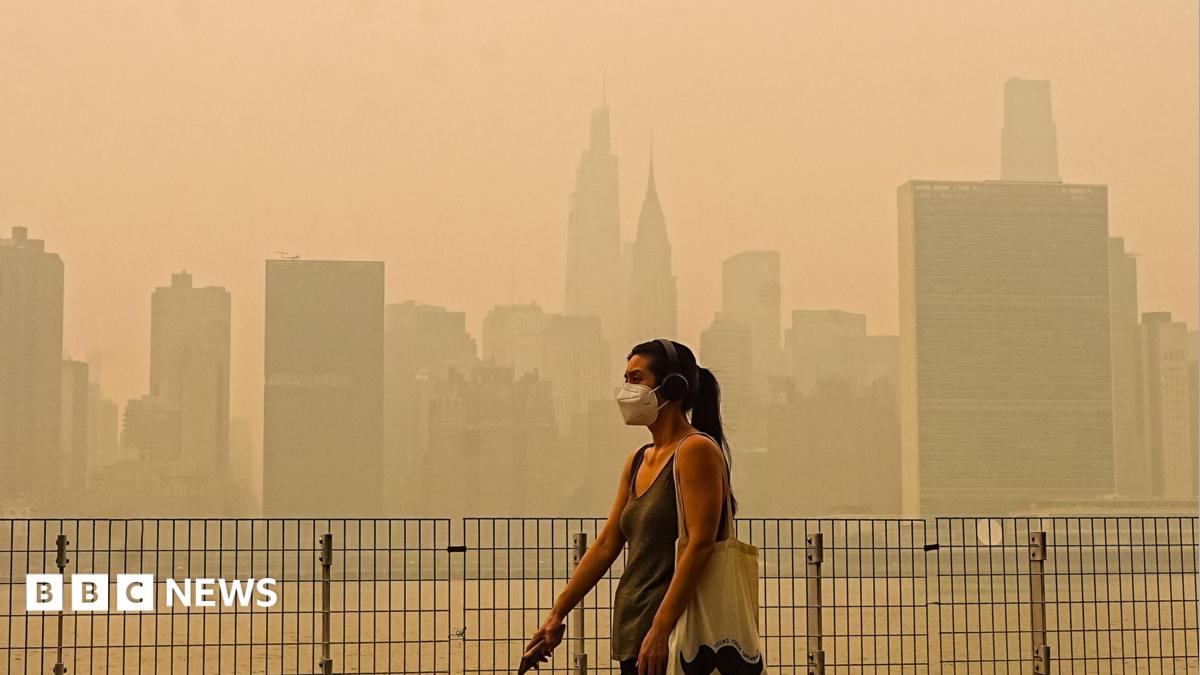
US President Donald Trump has threatened to impose new tariffs on Canada, accusing the Canadian government of "willful negligence" regarding the management of wildfires that have sent hazardous smoke into American cities. Speaking on Truth Social, Trump stated that the United States is being "unnecessarily invaded by filthy, polluted, and unhealthy air," and announced plans to contact Canadian Prime Minister Mark Carney to demand an explanation for what he described as a failure to properly maintain forests and brush.
The diplomatic friction follows complaints from US lawmakers who argue that chronic under-investment in forest thinning and fuel reduction has left northern communities vulnerable. In an open letter, Republican representatives John James, John Moolenaar, Jack Bergman, and Lisa McClain warned that their "patience has run out," suggesting the US could explore direct involvement in cross-border wildfire protection if Ottawa fails to act. The smoke has triggered hazardous air quality alerts across several US states, from Minnesota to New York, leading to event cancellations, flight delays, and the closure of outdoor venues in major cities including Detroit, Chicago, and New York.
Canadian officials have firmly rejected the characterization of negligence. Prime Minister Mark Carney responded during a news conference in Ontario, stating that climate change is a shared responsibility between both nations. "Climate change is everyone's responsibility - truly everyone's - including the United States," Carney said, noting that his government remains in close communication with provincial leaders. Ontario Premier Doug Ford also dismissed the criticism, urging the US to send support rather than complaints. Ford highlighted that Canada has assisted the US in previous disasters, including wildfires in California and hurricanes in North Carolina, and noted that states such as Michigan and Massachusetts have already offered assistance with water bombers and firefighters.
The scale of the disaster is significant, with the Canadian Wildland Fire Information System reporting approximately 888 active fires across the country as of Friday, the majority of which are burning out of control. More than 190 of these blazes are located in Ontario, where nearly 3 million hectares of land have been destroyed. The situation has been particularly severe in northern Ontario, where a major conflagration in Wabakimi Provincial Park in mid-July led to the evacuation of 10 communities. Members of the Namaygoosisagagun First Nation reported that their community was "burnt to ashes," forcing residents to self-evacuate via boat as fires approached with little warning.
Experts caution that attributing the crisis solely to Canadian policy oversimplifies a complex environmental issue. Scientists from the University of Toronto and the University of Waterloo noted that weather patterns do not respect international borders and that sustained hot weather combined with below-average rainfall has created ideal conditions for fire spread. Dr Anabela Bonada emphasised that while better forest management can reduce risk near communities, it cannot prevent fires across an ecosystem of this scale, and that increasingly severe wildfire seasons are driven in part by climate change.