Analyst questions Trump’s renewed focus on US election integrity
Homeland Security Secretary Markwayne Mullin threatens to withhold federal funds from California, Pennsylvania, New Jersey, and Nevada if they fail to comply with new security mandates.
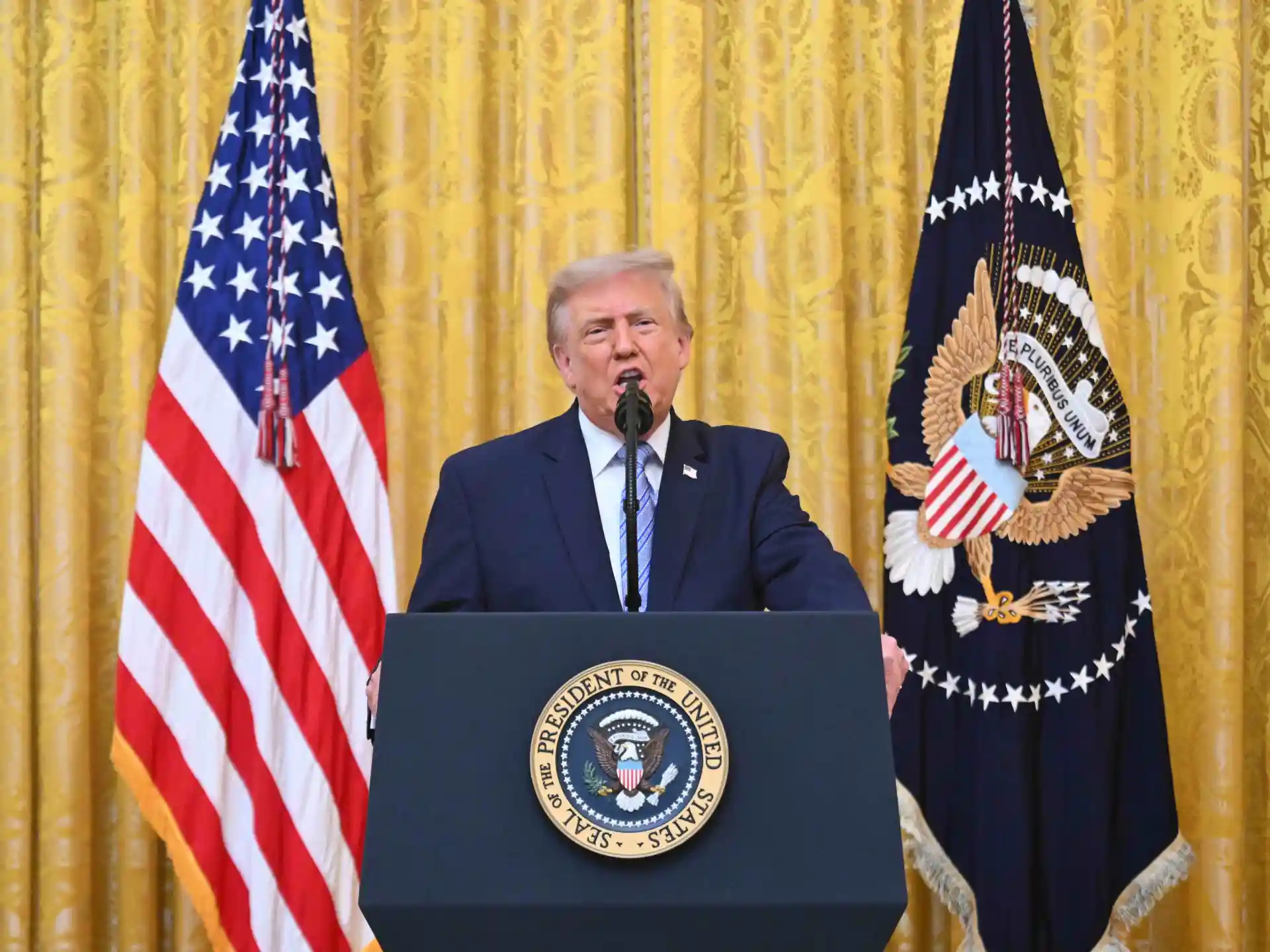
Analyst Eric Ham has questioned President Donald Trump’s renewed focus on US election integrity, arguing that the emphasis on election security is an attempt to expand federal authority. This analysis follows a directive from President Trump regarding election security, which was subsequently echoed by US Homeland Security Secretary Markwayne Mullin. Mullin has pledged to implement a “maximum pressure” campaign to enforce these directives, threatening to withhold federal funds from states that fail to comply with new security mandates. The states specifically targeted by these threats include California, Pennsylvania, New Jersey, and Nevada.
The core of Ham’s argument centres on the motivation behind the administration’s current push. He suggests that the focus on election integrity is primarily an attempt to expand federal authority rather than solely addressing security concerns. This interpretation frames the recent policy shifts not just as administrative adjustments, but as a strategic move to increase federal power over state-level electoral processes.
US Homeland Security Secretary Markwayne Mullin has been the primary enforcer of these directives. Speaking on Friday, Mullin largely mirrored the president’s address from the previous night, outlining a “maximum pressure” campaign. This campaign involves threatening to withhold federal funds from states that do not adhere to the new security mandates. The specific targeting of California, Pennsylvania, New Jersey, and Nevada indicates a focused effort to compel compliance in key jurisdictions.
The timeline of events highlights the rapid escalation of this policy push. President Trump delivered an address on election security the previous night, setting the tone for the administration’s stance. By Friday, Mullin had formalised these sentiments into a concrete enforcement strategy, directly linking federal funding to compliance with the new security requirements. This swift transition from presidential address to departmental enforcement underscores the administration’s determination to implement its vision of election security.
While the specific legal or constitutional mechanisms by which the federal authority is proposed to be expanded are not detailed in the source material, the implications of the funding threats are significant. The extent to which states like California and Pennsylvania may resist or comply with these demands remains to be seen. Ham’s analysis provides a critical perspective on these developments, suggesting that the underlying goal is a substantial shift in the balance of power between federal and state governments.