Trump threatens strike on Iran’s ‘Pickaxe Mountain’ nuclear site
Inspections by the International Atomic Energy Agency have never been granted access to the complex, leaving its exact capabilities and contents a subject of intense intelligence analysis and regional speculation.
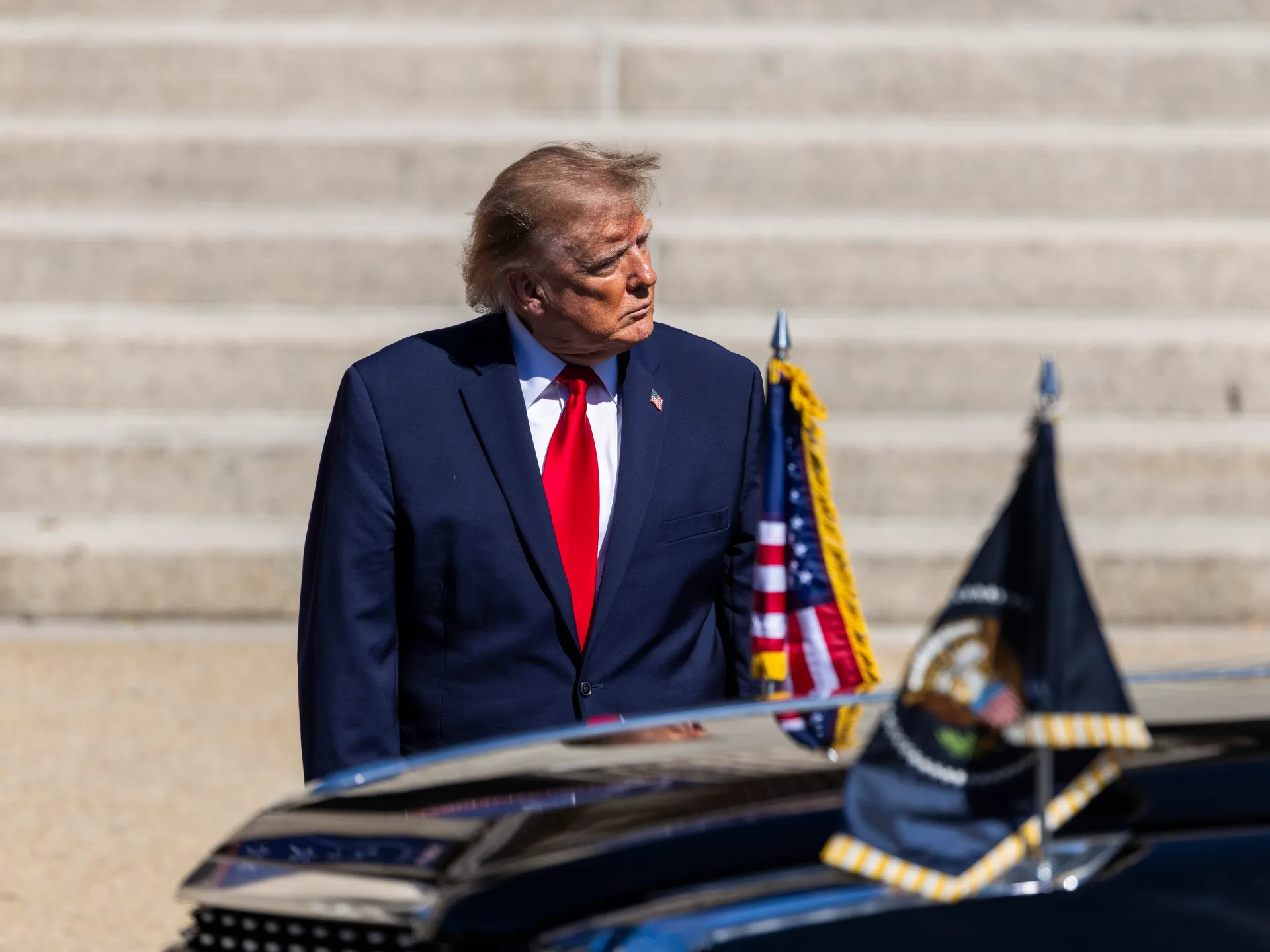
US President Donald Trump has threatened a military strike on a suspected Iranian nuclear facility buried deep within a mountain in Isfahan province, describing the site as a high-priority target that could be hit “very probably pretty soon.” The President made the remarks to reporters at the White House, asserting that Iran has “not a thing they can do about it,” following intelligence assessments that the complex may house uranium centrifuges.
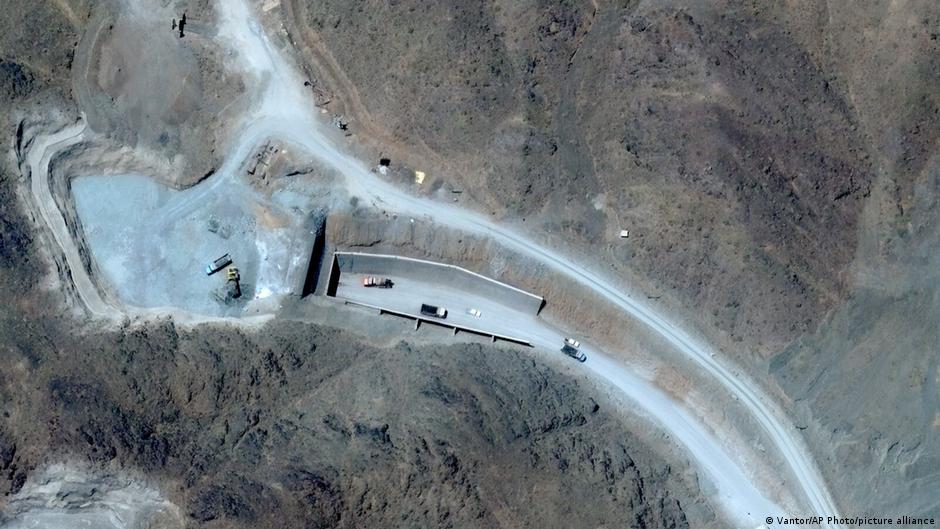
The facility, located approximately two kilometres from the Natanz uranium enrichment plant, is known in Farsi as Kuh-e Kolang Gaz La, or Pickaxe Mountain. It remains one of the most opaque elements of Iran’s nuclear programme, as inspectors from the International Atomic Energy Agency (IAEA) have never been granted access to the site. Verification of the complex’s activities relies entirely on satellite imagery and intelligence assessments rather than direct observation.
Commercial satellite images, including those published by Maxar Technologies, indicate continuous construction at the site since 2020. These images show new tunnel entrances, access roads, security installations, and significant amounts of excavated rock. Construction activity appears to have accelerated following an explosion that damaged Iran’s advanced centrifuge assembly workshop at Natanz in July 2020, an event Tehran attributed to sabotage.
The Washington-based Institute for Science and International Security estimates that parts of the facility may be buried between 80 and 100 metres beneath the mountain. If accurate, the complex would be deeper than many of Iran’s known nuclear sites, making it considerably more difficult to damage with air strikes. Military experts note that while bunker-buster bombs are designed to penetrate terrain, their effectiveness against such depth remains a subject of debate.
Farzin Nadimi, a senior fellow at the Washington Institute for Near East Policy, told Deutsche Welle that the site’s strategic importance has increased due to damage sustained by other facilities during a 12-day bombing campaign by the US and Israel in June 2025. Nadimi argued that given Iran’s security concerns, future enrichment activities could be concentrated in this heavily protected location, making it the most logical candidate for such a role.
Iran has consistently warned that it will “expand” the war if nuclear facilities are targeted, having previously threatened to target vessels in the Strait of Hormuz. While Tehran claims its nuclear programme is for peaceful purposes, international inspectors and intelligence reports confirm the country possesses approximately 440 kilograms of uranium enriched to 60% purity, a level approaching the 90% threshold required for weapons-grade material.