Trump threatens military action against Oman over Strait of Hormuz dispute
Washington denies formal agreement exists between Muscat and Tehran, but analysts say threat aims to prevent normalisation of Iranian control.
United States President Donald Trump has threatened military action against Oman, a longstanding ally, if it intervenes in the dispute over shipping access to the Strait of Hormuz. The warning follows reports that Muscat was holding talks with Iran regarding joint oversight of the strategic waterway, which handles over 20 per cent of global oil traffic. Iran has effectively closed the strait since US-Israeli joint attacks on 28 February, asserting sovereignty and charging fees for passage. While the Trump administration denies a formal agreement exists, analysts suggest the threat aims to prevent the normalisation of Iranian control over the chokepoint.
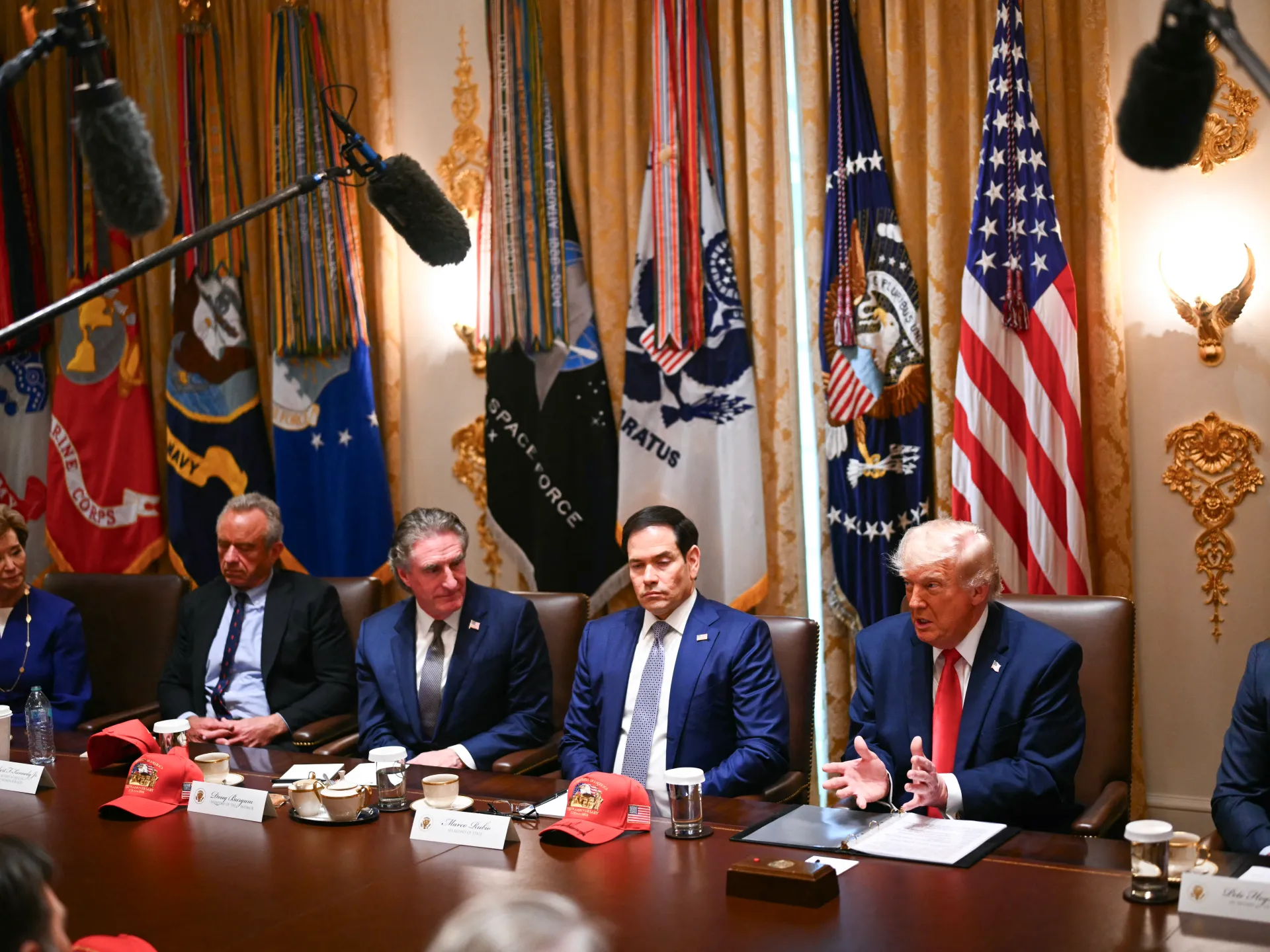
Trump issued the stark warning during a cabinet meeting in Washington, stating that Oman would need to behave like other nations or face severe consequences. The US Department of State later confirmed the comment on social media, clarifying that the reference was to Oman rather than Iran. This clarification came after initial speculation that the president had misspoken, given the long-standing diplomatic relations between Washington and Muscat.
The threat coincides with reports that Oman and Iran were discussing joint oversight of the Strait of Hormuz. Iran has closed the strait since the US-Israeli joint attacks on 28 February, asserting sovereignty and charging fees for passage. While the Trump administration has called claims of a memorandum of understanding between Iran and Oman a fabrication, analysts argue the threat is designed to deter any arrangement that legitimises Iranian control over the maritime route.
Oman, which does not host US forces but has acted as a mediator in regional disputes, has not publicly indicated an intent to join Iran in controlling the strait. Experts note that Oman’s role as both a US security partner and Iran’s trusted interlocutor has become a liability in wartime. Analysts suggest that joint Iran-Oman control over Hormuz would turn Iran’s grip on the chokepoint into a permanent post-war fact, setting a precedent that could erode the freedom-of-navigation principle the United States underwrites.
The diplomatic crisis unfolds against a backdrop of continued military flare-ups in the region. Since a temporary ceasefire was announced on 8 April, negotiations for a long-term truce have stalled, with both sides exchanging proposals via Pakistan. Meanwhile, Iran has continued to control shipping through the Strait of Hormuz, while US forces have enforced a corresponding blockade on Iranian ports. The situation has drawn criticism from rights groups and security experts, who warn that the threat of force against a sovereign ally risks further destabilising the Middle East.