Trump threatens EU tariffs in retaliation for US tech fines
Washington announces retaliatory measures following regulatory penalties levied against American technology companies, raising the risk of heightened transatlantic trade tensions.
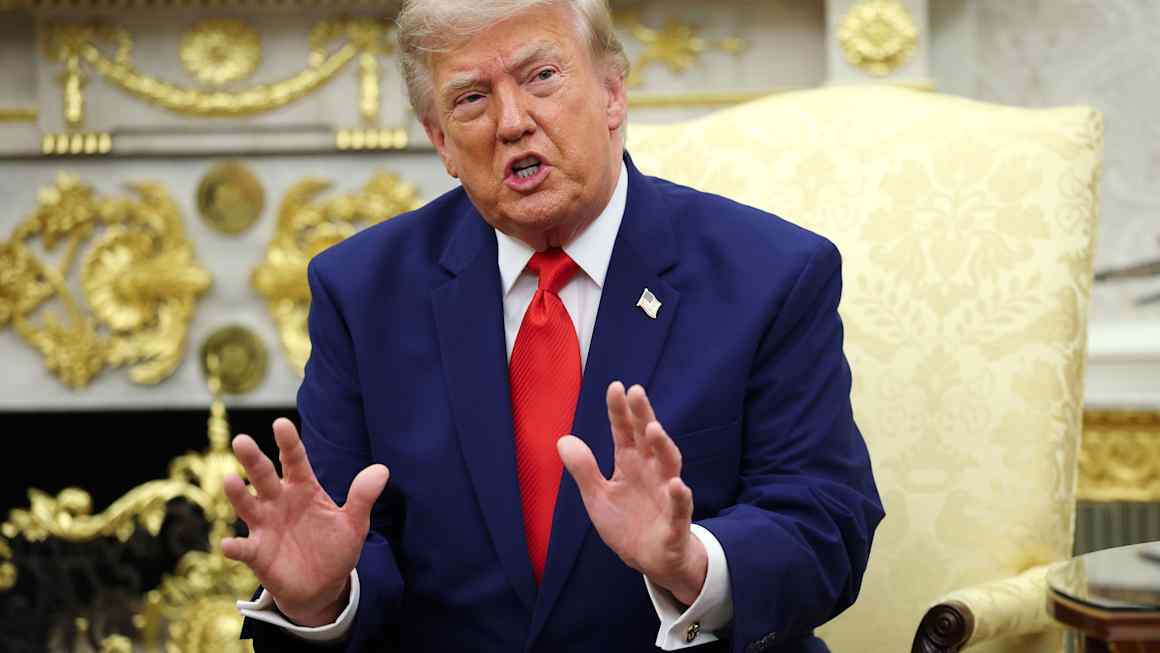
US President Donald Trump has threatened to impose new tariffs on the European Union, citing the bloc’s recent fines against American technology companies as the primary catalyst. The announcement marks a significant escalation in regulatory friction between the two major economic powers, with the White House positioning the move as a direct response to what it views as punitive measures against US firms.
In conjunction with the tariff threat, the US administration confirmed it would launch a new trade probe into the European Union. This investigative action is designed to scrutinise the bloc’s market practices and regulatory framework, potentially uncovering grounds for further trade restrictions. The probe represents a formalised diplomatic and economic countermeasure, signalling Washington’s intent to challenge EU regulatory decisions through established trade mechanisms.
The immediate trigger for this diplomatic row is the imposition of financial penalties on US technology groups by European regulators. While the specific details of the fines have not been elaborated upon in the current reporting, the retaliatory stance from the Trump administration underscores the growing sensitivity surrounding cross-border data governance and competition policy in the digital sector.
Market observers note that the combination of threatened tariffs and a new trade investigation carries the potential to further sharpen trade tensions between the United States and the EU. The uncertainty surrounding the scope and implementation of the proposed tariffs means that investors and multinational corporations may face increased volatility as the two sides navigate this dispute.
Details regarding the specific nature, percentage, or timeline of the proposed tariffs have not been released. Similarly, the parameters of the new trade probe remain undefined. The situation is currently characterised by statements of intent rather than enacted policy, leaving the precise economic impact on transatlantic commerce to be determined as the investigation proceeds.