Trump signs voluntary AI model review order following industry pushback
The White House order, prompted by concerns over Anthropic’s Mythos model, instructs federal agencies to coordinate vulnerability scanning while scrapping previous bipartisan oversight frameworks.
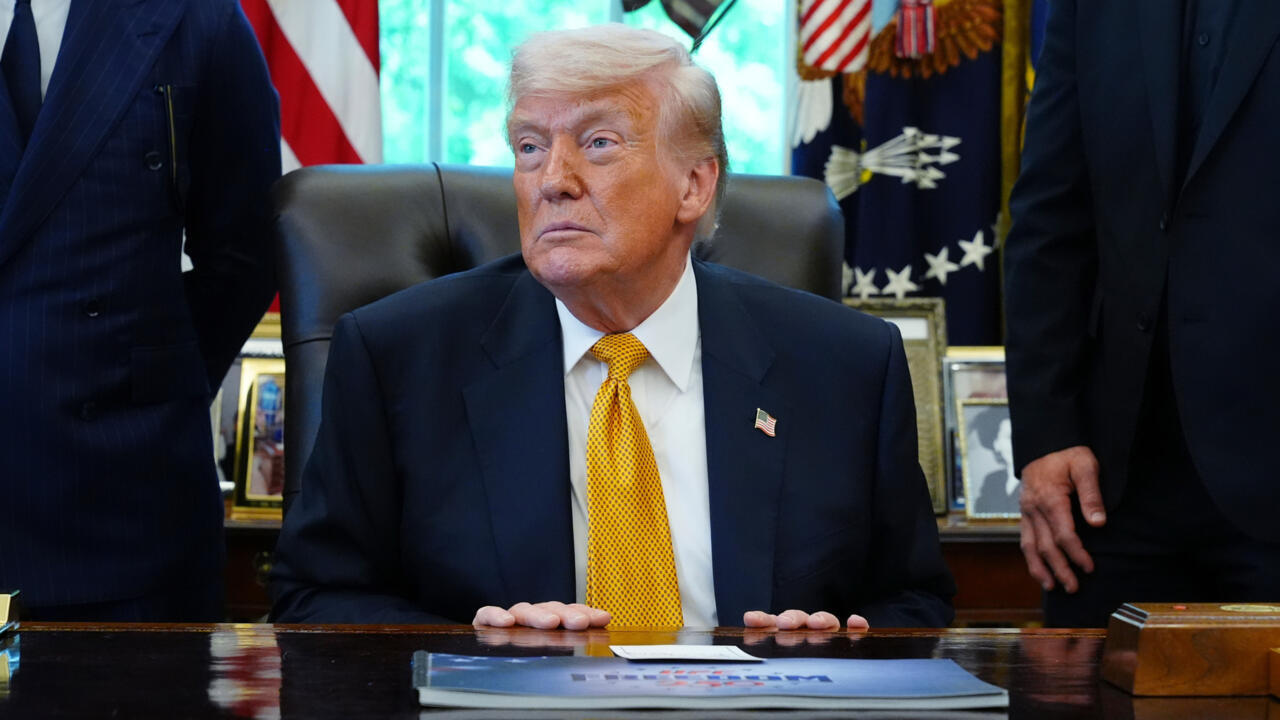
President Donald Trump signed an executive order on Tuesday establishing a voluntary framework for leading artificial intelligence developers to submit their most capable models to the government for cybersecurity testing prior to public release. The directive allows companies such as OpenAI, Google, and Anthropic to provide access to powerful models for up to 30 days before launch, a timeframe that represents a significant compromise between an initial draft proposing 90 days and industry requests for a 14-day window.
The measure was prompted by concerns regarding Anthropic's Mythos model, which the company refused to release due to its ability to expose vulnerabilities in critical computer systems, including those of banks, governments, and hospitals. The order instructs the Treasury, the National Security Agency, and the Cybersecurity and Infrastructure Security Agency (CISA) to establish an AI cybersecurity clearinghouse to coordinate vulnerability scanning with industry partners and critical infrastructure operators.
The signing comes after a turbulent period in which the White House appeared close to unveiling a more stringent version of the measure, only to pull back abruptly. David Sacks, the Silicon Valley venture capitalist who served as Trump's AI and crypto czar, reportedly called the president to warn that the measure would slow innovation and hurt the United States in its AI race with China. This intervention blindsided White House staff who had believed Sacks supported the order.
Sacks had previously written on X that "unnecessary regulation is the biggest threat to innovation in America," adding that winning the AI race required clearing "bureaucratic hurdles" from state legislatures and Washington politicians. His intervention contributed to the scaling back of the proposed review period, reflecting the intense pressure exerted by the technology sector on the administration's regulatory approach.
Trump scrapped a Biden-era AI oversight order on his first day back in the White House, ending a 2023 directive that required AI companies to share safety test results with the government. While the previous administration relied heavily on voluntary commitments, the European Union's AI Act, which entered into force in 2024, sets binding rules for high-risk AI systems, including mandatory transparency requirements and obligations around safety testing for the most powerful models.
The new executive order marks a shift toward a lighter-touch regulatory environment compared to international counterparts, yet it retains a mechanism for federal oversight of advanced capabilities. By mandating a voluntary 30-day review window, the administration seeks to balance national security concerns regarding systemic vulnerabilities with the industry's demand for rapid deployment and competitive agility in the global technology landscape.