Trump reverses Hormuz toll proposal as US prepares to reinstate Iran port blockade
The US President replaces the proposed 20% cargo fee with new trade and investment agreements, while Central Command confirms the resumption of naval blockades on Iranian ports.
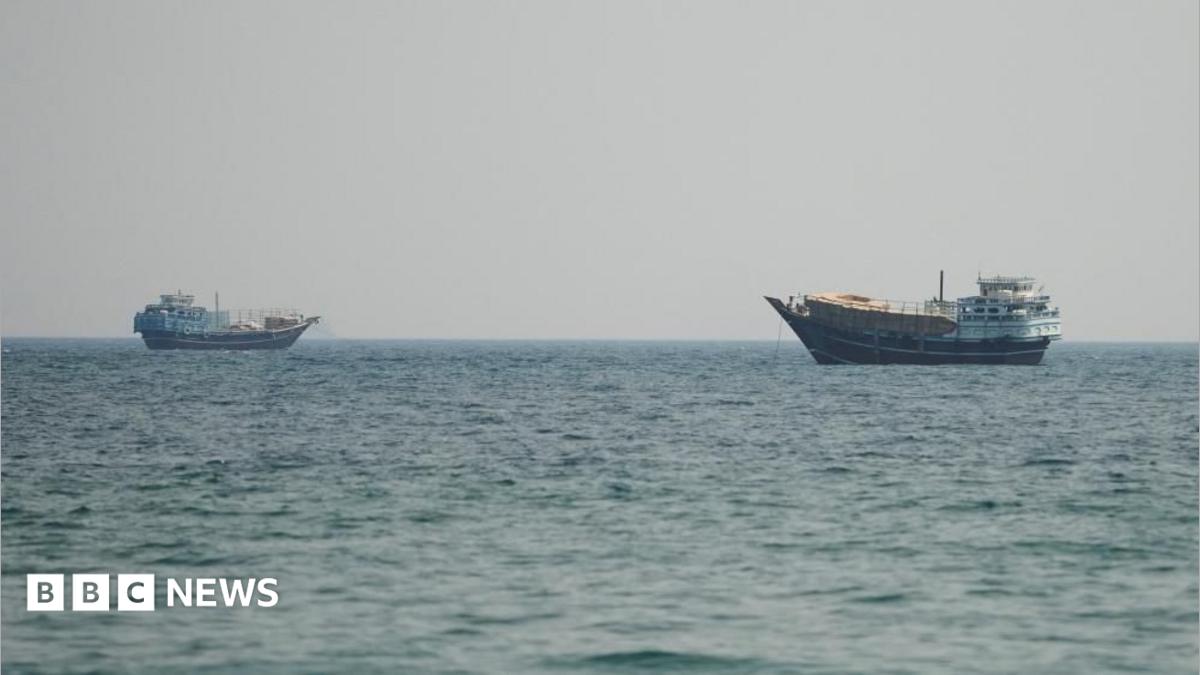
US President Donald Trump has withdrawn a 24-hour-old proposal to impose a 20% fee on all cargo shipping through the Strait of Hormuz, replacing the charge with new trade and investment deals with Gulf states. The reversal, announced via a post on Truth Social, comes as the United States prepares to reinstate a naval blockade on Iranian ports starting at 16:00 Eastern Time on Tuesday. The decision follows direct appeals from Gulf leaders, with Trump stating he had received numerous calls urging a change in approach.
In his announcement, Trump declared that the Strait remains open to all ship traffic except for Iran, asserting that oil is "flowing like never before" due to US military power. However, shipping data indicates that traffic through the critical waterway has slowed to a two-month low, while benchmark Brent Crude oil prices have risen sharply. The policy pivot occurs against a backdrop of ongoing military strikes between the US and Iran, which have significantly disrupted global energy flows.
US Central Command confirmed that the naval blockade on Iranian ports would resume at the specified time on Tuesday. This move is part of a broader strategy to degrade Iran’s ability to disrupt shipping in the region. The US earlier reported carrying out a third night of attacks aimed at reducing Iran’s capacity to target vessels, while Iranian state media reported blasts in multiple cities, including Bushehr, which houses a nuclear power plant.
Iran has accused the US of interfering with its control of the waterway, stating it had targeted US military facilities in Bahrain and Jordan. These actions followed earlier attacks on two United Arab Emirates tankers, which the UAE condemned as a "brazen" attack. The Strait of Hormuz remains a vital global energy chokepoint, through which approximately 25% of the world's oil and 20% of global liquefied natural gas previously passed before the conflict escalated.
The situation has drawn in other regional actors, with Israeli Prime Minister Benjamin Netanyahu warning that Israel’s retaliation against Iran would be "much more powerful" if Israel is attacked first. Iran effectively shut down the waterway after the US and Israel launched strikes against Iran on 28 February, marking the beginning of a sustained period of instability that continues to impact global markets and security protocols.