Trump proposes tariff ‘pollution cost’ as Canadian wildfire smoke hits US
Donald Trump has announced plans to add a pollution cost to tariffs on Canadian goods, citing unhealthy air quality caused by wildfires and potential disruption to the World Cup final in New Jersey.
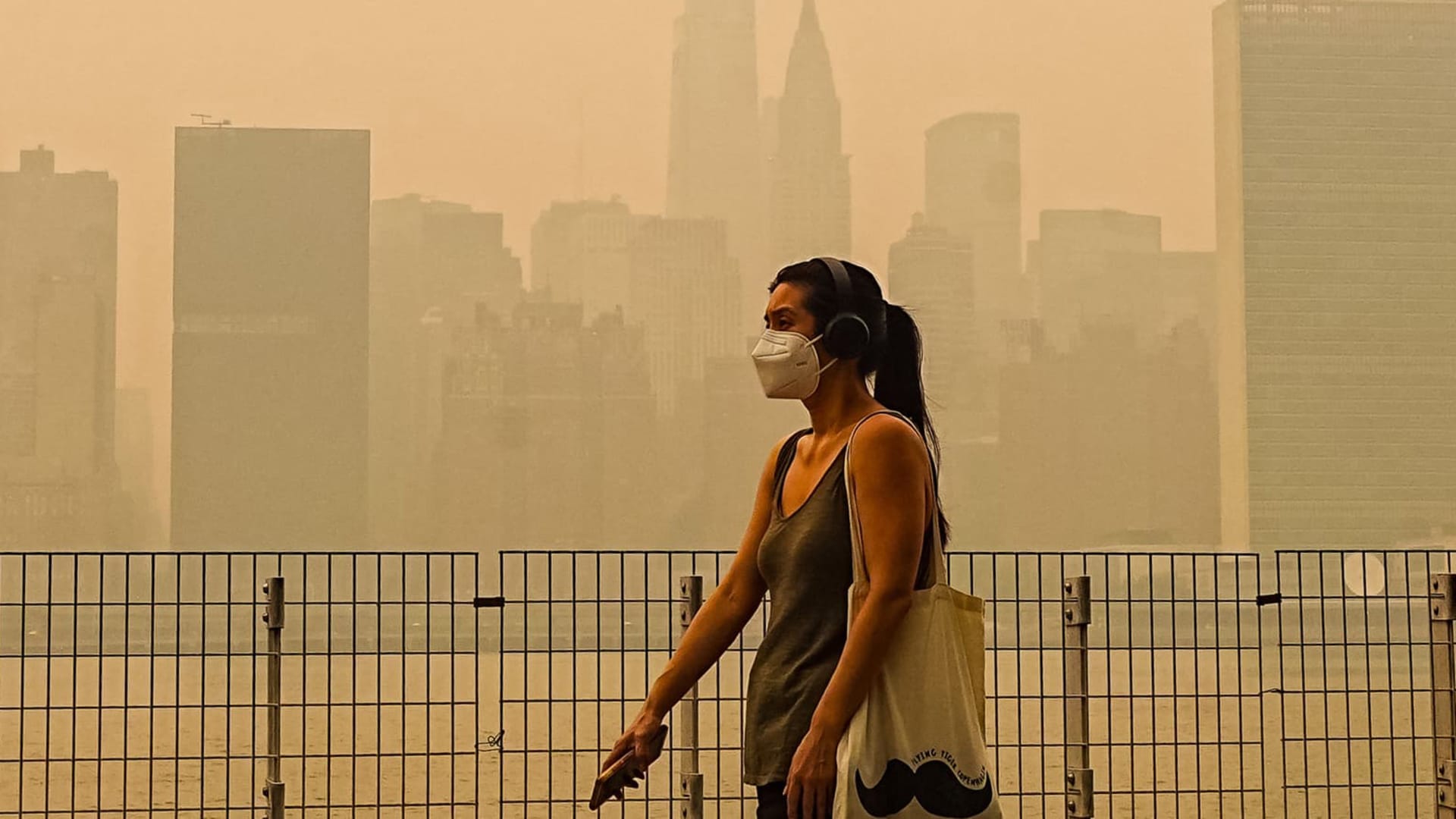
US President Donald Trump has criticised Canada as wildfire smoke causes unhealthy air quality across parts of the United States, announcing that the US will add a pollution cost to tariffs. The move links environmental conditions directly to trade policy, with the administration citing the smoke's potential impact on the World Cup final in New Jersey as a key factor in the decision.
The smoke from active wildfires in Canada has led to unhealthy air quality in swaths of the US. Trump stated the US will add a pollution cost to tariffs, citing the smoke's potential impact on the World Cup final in New Jersey. This announcement introduces a new economic dimension to the ongoing environmental issue, although specific details regarding the calculation or mechanism of this additional cost have not been provided.
The proposal comes as the 2026 World Cup is being hosted in the United States, with the final scheduled to take place in New Jersey. The administration has highlighted the potential disruption to this major sporting event as a consequence of the air quality issues. However, the extent to which the smoke will actually impact the final remains speculative, as weather patterns and air quality can change rapidly.
Public awareness of the World Cup remains relatively low compared to other sporting events like the NBA Finals. Polls indicate that half of Americans are indifferent to the tournament, partly due to high ticket prices. This lack of engagement contrasts with the political attention being given to the event's logistical challenges, including the air quality concerns raised by the Trump administration.
The link between the wildfires and the tariff policy is presented as a political stance by the Trump administration rather than an established economic fact. It is unclear if the pollution cost refers to a new tariff on Canadian goods or a broader economic policy adjustment. The specific mechanism for this tariff adjustment has not been detailed in the source material.
This development occurs amidst broader tensions in US foreign policy, including debates over the alliance with Israel and recent incidents involving Iran. The focus on Canadian wildfires and their impact on US domestic events, such as the World Cup, adds another layer to the complex web of international relations and trade disputes currently under scrutiny.
The announcement highlights the intersection of environmental issues, trade policy, and major international events. As the smoke continues to affect air quality across the US, the administration's decision to impose a pollution cost on tariffs remains a significant and unresolved aspect of the current policy landscape.