Trump poised to finalise Iran deal as Israel intensifies Lebanon offensive
The White House signals an imminent decision on terms requiring Iran to dismantle uranium capabilities and clear the Strait of Hormuz, even as regional conflict deepens.
US President Donald Trump is expected to issue a final determination on a potential diplomatic agreement with Tehran on Friday, marking a critical juncture in the three-month conflict involving American and Israeli forces against Iran. The decision follows a two-hour strategic meeting held in the White House Situation Room earlier this week, where administration officials reviewed the proposed terms of a ceasefire arrangement.
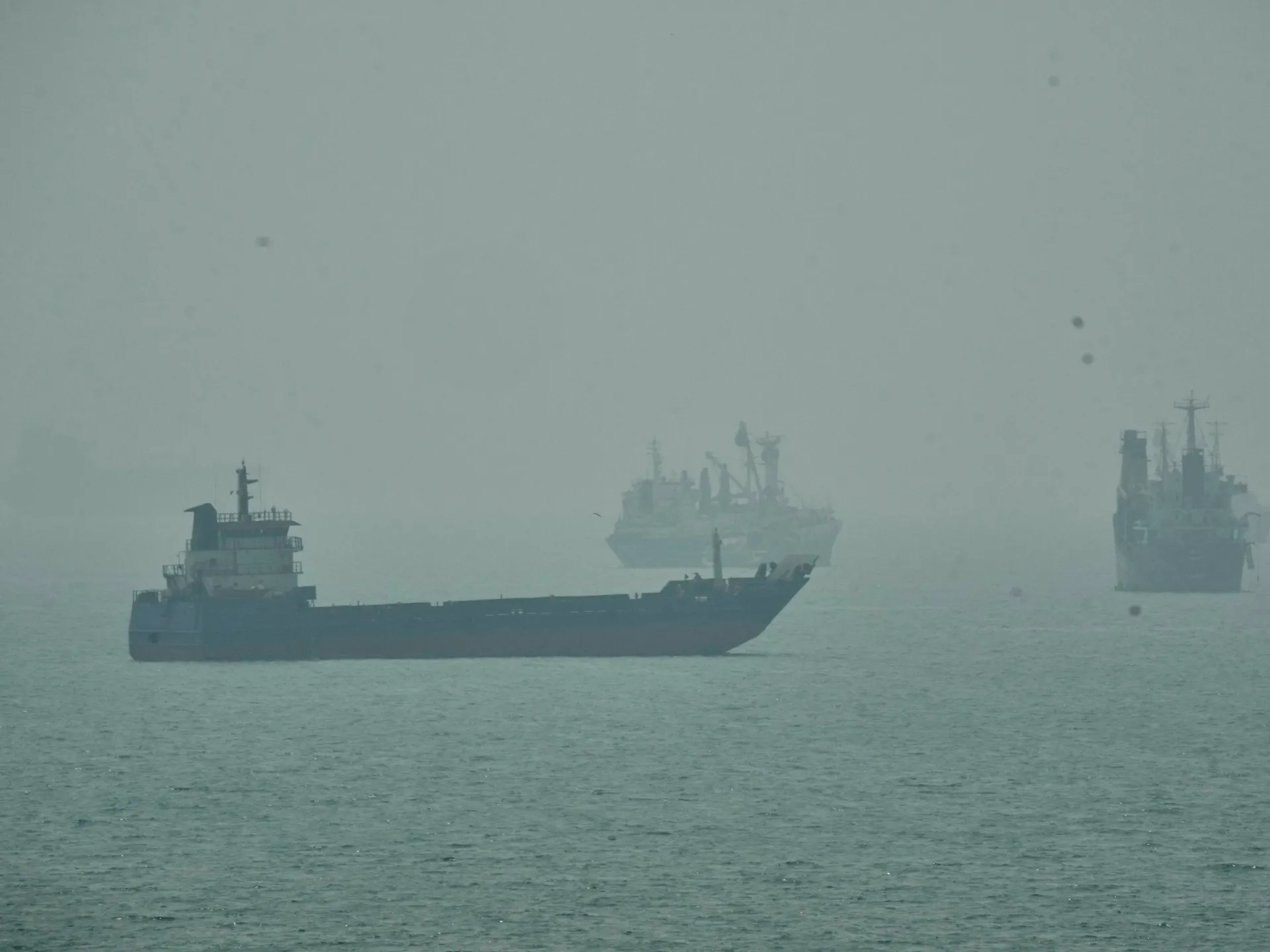
The framework under consideration reportedly mandates that Iran remove naval mines from the Strait of Hormuz and destroy its stockpile of enriched uranium. These conditions represent significant concessions from the Islamic Republic, which has previously rejected the US characterisation of the ongoing negotiations as a "mixture of truth and lies." Iranian officials have maintained a firm stance against what they view as coercive demands, complicating the path toward a formalised settlement.
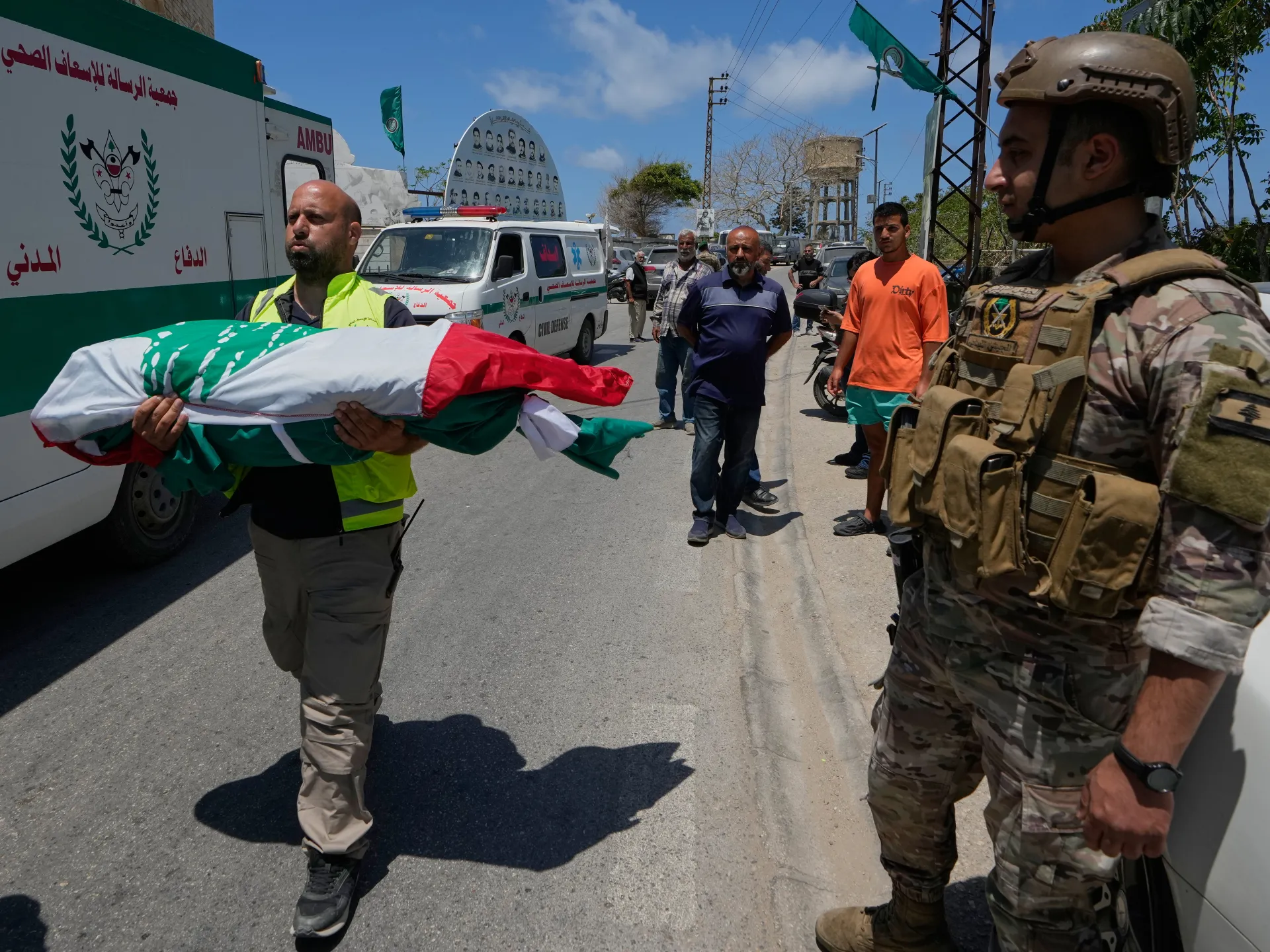
Concurrently, the security landscape on the ground has deteriorated, with Israel deepening its military invasion of Lebanon. This escalation occurs just days after the Israeli prime minister issued orders to occupy 70 percent of the Gaza Strip, signalling a broadening of military objectives across multiple fronts. The intensification of operations in Lebanon suggests that diplomatic efforts in Washington are proceeding in parallel with, rather than in lieu of, active combat campaigns.
The diplomatic timeline has been marked by volatility since a fragile ceasefire was established on 8 April 2026. Tensions spiked on 26 May when US forces conducted strikes described as "self-defence" against missile sites and vessels in southern Iran. These attacks coincided with the arrival of Iranian negotiators in Doha for peace talks and the departure of President Trump to Beijing for a summit with Chinese President Xi Jinping, highlighting the complex interplay between military pressure and diplomatic engagement.
Market reactions to the shifting geopolitical dynamics have been immediate, with oil prices falling below US$100 a barrel on 27 May as investors assessed the potential for de-escalation. Despite this economic indicator, the durability of the ceasefire remains in question, particularly given the recent military actions and the continued expansion of Israeli ground operations. The final determination by President Trump will likely define the next phase of governance and security policy in the region.