Trump orders Pentagon to cut joint drills with South Korea amid diplomatic friction
Seoul’s defence ministry confirms 18,000-strong force will continue scheduled operations, creating immediate tension between Washington’s strategic pivot and allied defence protocols.
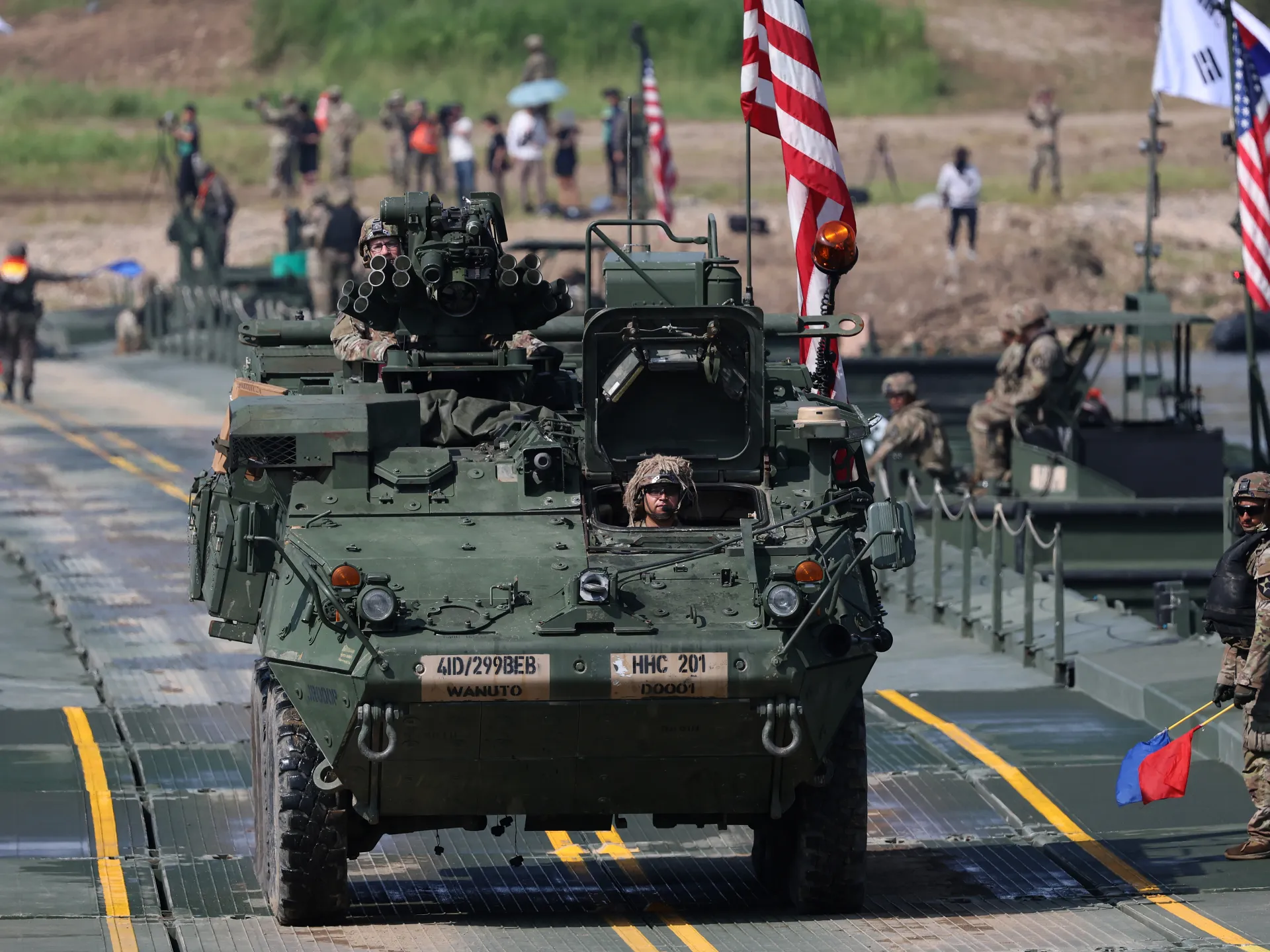
US President Donald Trump has directed the Pentagon to substantially reduce joint military exercises with South Korea, marking a significant disruption to long-standing defence protocols between the two allies. The order, communicated via a Truth Social post on Sunday, cites the president’s personal rapport with North Korean leader Kim Jong Un and describes the upcoming drills as hostile and costly.
The directive comes as the annual Ulchi Freedom Shield exercises are set to commence on Monday. Scheduled to run for 11 days from August 17 to 27, the drills involve 18,000 South Korean soldiers and are designed to prepare combined forces for defence against North Korea. Trump stated that while it was too late to cancel the operations entirely, he had ordered Secretary of Defense Pete Hegseth to scale them back significantly.
In his statement, Trump argued that the exercises send a signal that is “totally inappropriate and hostile” to North Korea, which he claimed has been “unthreatening and respectful” during his tenure. He highlighted his “very good relationship” with Kim Jong Un, referencing a photo posted on Saturday where the two leaders appeared together, noting they “got along great” despite the former’s expression.
The president also pointed to a diplomatic rift regarding the US-Israel war on Iran as a contributing factor to the decision. Trump wrote that he had asked the South Korean president to join the United States in the “Denuclearization of the Islamic Republic of Iran,” only to receive a refusal. He framed the drills as a consequence of Seoul’s stance, stating he was “not happy” that the United States had agreed to participate in them long ago.
Despite the presidential order, South Korea’s Ministry of Defence confirmed that the exercises will proceed as previously notified and scheduled. This creates an immediate operational disconnect, as the specific scope and nature of the “substantial reduction” have not been elaborated upon by the Pentagon. The drills are a regular summer fixture, historically viewed by Pyongyang as rehearsals for invasion, a stance that has hardened in recent weeks with North Korea warning of a “new level of deterrent” in response to US-Japan-South Korea military cooperation.
This development echoes Trump’s first term, where he similarly criticised the drills as “expensive” and “provocative” following the 2018 Singapore summit with Kim. However, the current context involves a more complex geopolitical landscape, with North Korea described as battle-hardened from its involvement in Russia’s war on Ukraine, and the United States engaged in active conflict in the Middle East.
The conflicting signals from Washington and Seoul highlight the fragility of the alliance’s strategic coordination. While the US president seeks to leverage personal diplomacy with Pyongyang and penalise Seoul over Iran, the South Korean military maintains its readiness posture, leaving the practical implementation of the reduction order uncertain.