Trump nominates Severs to FCC, cementing 3-1 Republican majority without Democratic pairing
The Federal Communications Commission is set to operate with a three-member Republican majority, a structure that may invite judicial scrutiny despite meeting quorum requirements under the Communications Act.
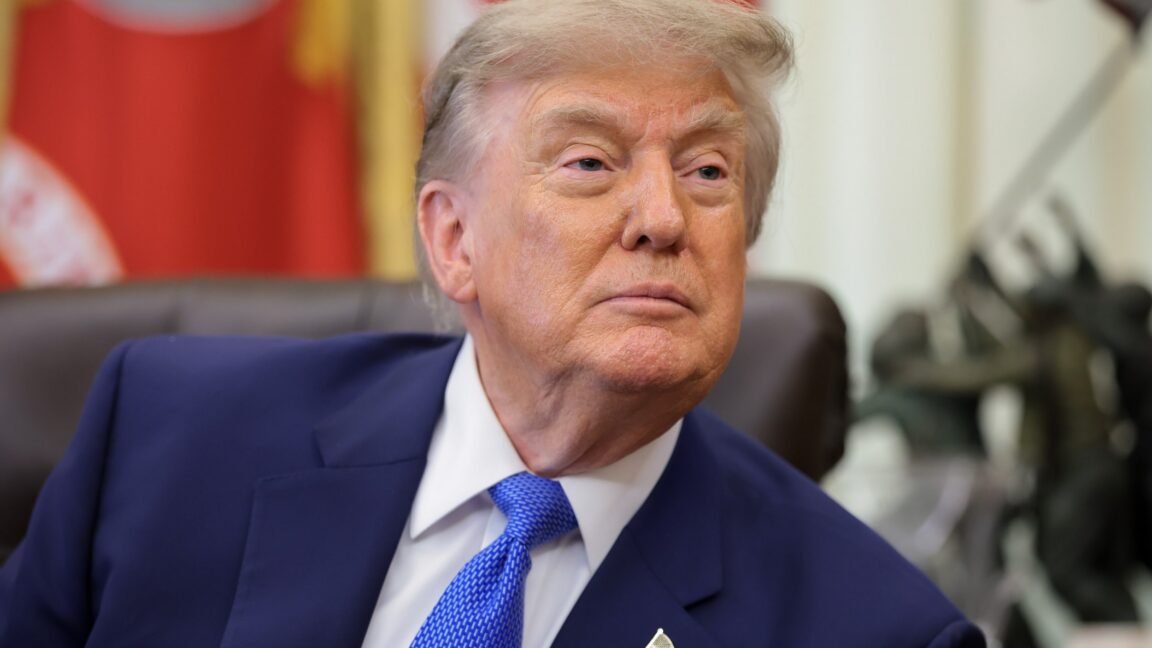
President Donald Trump has nominated Republican Danielle Thumann Severs to the Federal Communications Commission, a move that establishes a 3-1 Republican majority on the agency. The nomination breaks with longstanding bipartisan traditions, as the White House has declined to nominate a Democrat to fill the remaining vacant seat. Severs, a lawyer and former senior counsel to FCC Chairman Brendan Carr, must be confirmed by the Senate before assuming her role.
The FCC has operated with a reduced roster throughout Trump’s second term, currently consisting of two Republicans and one Democrat. Historically, presidents nominated commissioners from both parties to maintain a 3-2 split, ensuring the minority party held two seats. Under the Communications Act, a three-member commission is sufficient to achieve a quorum, but the law also prohibits any single political party from holding a supermajority when the full five-member commission is seated.
Senate Democrats have urged a paired nomination to restore a full five-member commission, arguing that the current approach undermines institutional balance. Senator Maria Cantwell, the top Democrat on the Senate Commerce Committee, stated that pairing the nomination is necessary to return the agency to its intended structure. However, the Republican-controlled Senate is expected to confirm Severs without Democratic support, with Committee Chair Ted Cruz indicating the nomination will be assessed on its merits.
Legal experts warn that a one-party FCC could face significant challenges regarding the validity of its rulings. While Chairman Carr can proceed with policy initiatives using a Republican majority, the absence of minority dissenting opinions may remove a key check on agency power. Analysts note that minority dissent often serves as a template for courts to overturn majority decisions, suggesting that a commission lacking Democratic representation might produce policies more vulnerable to legal reversal.
Commissioner Anna Gomez, the sole Democrat, continues to serve despite her term technically expiring on 30 June. She is permitted to remain until the end of 2027 or until a replacement is confirmed. Although a recent Supreme Court ruling upheld Trump’s power to fire commissioners at the Federal Trade Commission, he has not yet removed Gomez. New Street Research analyst Blair Levin suggests the White House likely views three Republicans as sufficient for a quorum, making the appointment of a non-Republican independent or a Democrat unlikely.