Trump nominates Jay Clayton as permanent director of national intelligence
The US Senate must confirm the appointment, where Republicans hold a 53-47 majority, as the administration seeks to resolve the leadership vacuum left by Tulsi Gabbard’s resignation.
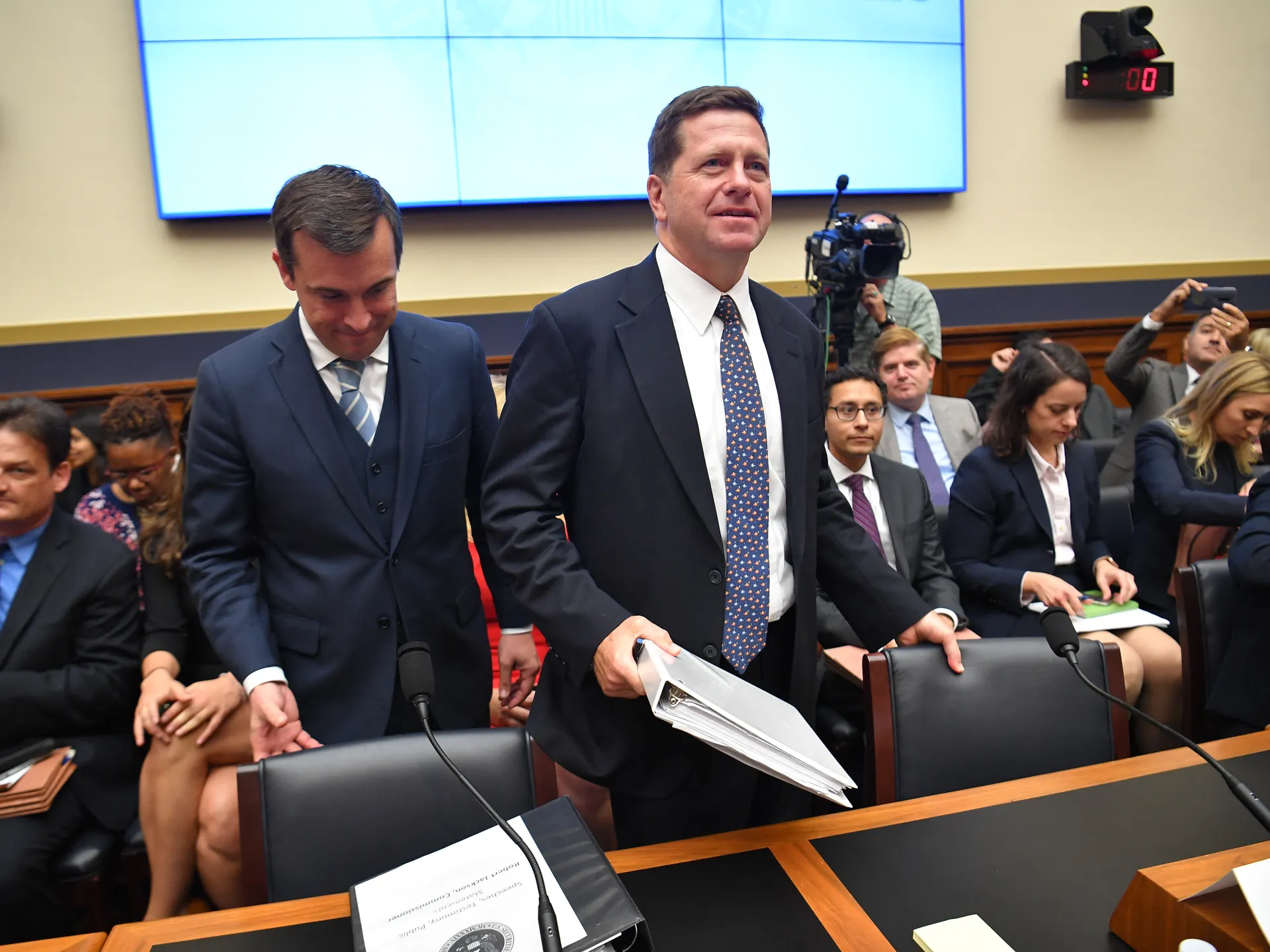
US President Donald Trump has announced the nomination of Jay Clayton to serve as the next director of national intelligence (DNI), a move designed to resolve the leadership uncertainty surrounding the US intelligence community. Clayton, currently the US attorney for the Southern District of New York and a former chairman of the Securities and Exchange Commission, will require Senate confirmation to assume the role permanently.
The announcement follows significant political resistance to the appointment of Bill Pulte as acting director. Pulte, who heads the Federal Housing Finance Agency and possesses no prior intelligence or military experience, has overseen the 18-agency intelligence apparatus since Tulsi Gabbard resigned last month. While Pulte could technically remain in the acting capacity for 210 days without Senate confirmation, Democrats have vowed to withhold foreign intelligence powers unless a permanent nominee is established.
Trump highlighted Clayton’s standing in the legal community in a post on his Truth Social account, stating that few individuals are respected at his level. The president urged the Senate to confirm Clayton as soon as possible, noting that the nomination requires a simple majority. Republicans currently hold a 53-47 majority in the chamber, though a handful of senators have previously called for the president to reconsider his approach to the intelligence leadership vacancy.
The nomination arrives amidst broader administrative changes to the intelligence apparatus. Just one day prior to the announcement, Trump advised Pulte to reduce staff at the office coordinating the Central Intelligence Agency and the National Security Agency. This directive comes as the administration navigates complex geopolitical tensions, including recent diplomatic de-escalation with Iran following the cancellation of planned military strikes.
Gabbard’s departure from the DNI post was attributed to the need for her husband to undergo cancer treatment. A former Democrat who endorsed Trump for his anti-interventionist stance, Gabbard had remained a public supporter of the president despite actions such as the abduction of Venezuelan leader Nicolas Maduro and the conflict with Iran, which appeared to contradict her initial ideological positions.