Trump moves to finalise Iran accord amid deepening strategic mistrust
As President Donald Trump prepares to make a final determination on a potential agreement with Tehran, Iranian negotiators insist that any deal must be verified by action rather than words, highlighting the fragile state of diplomatic relations.
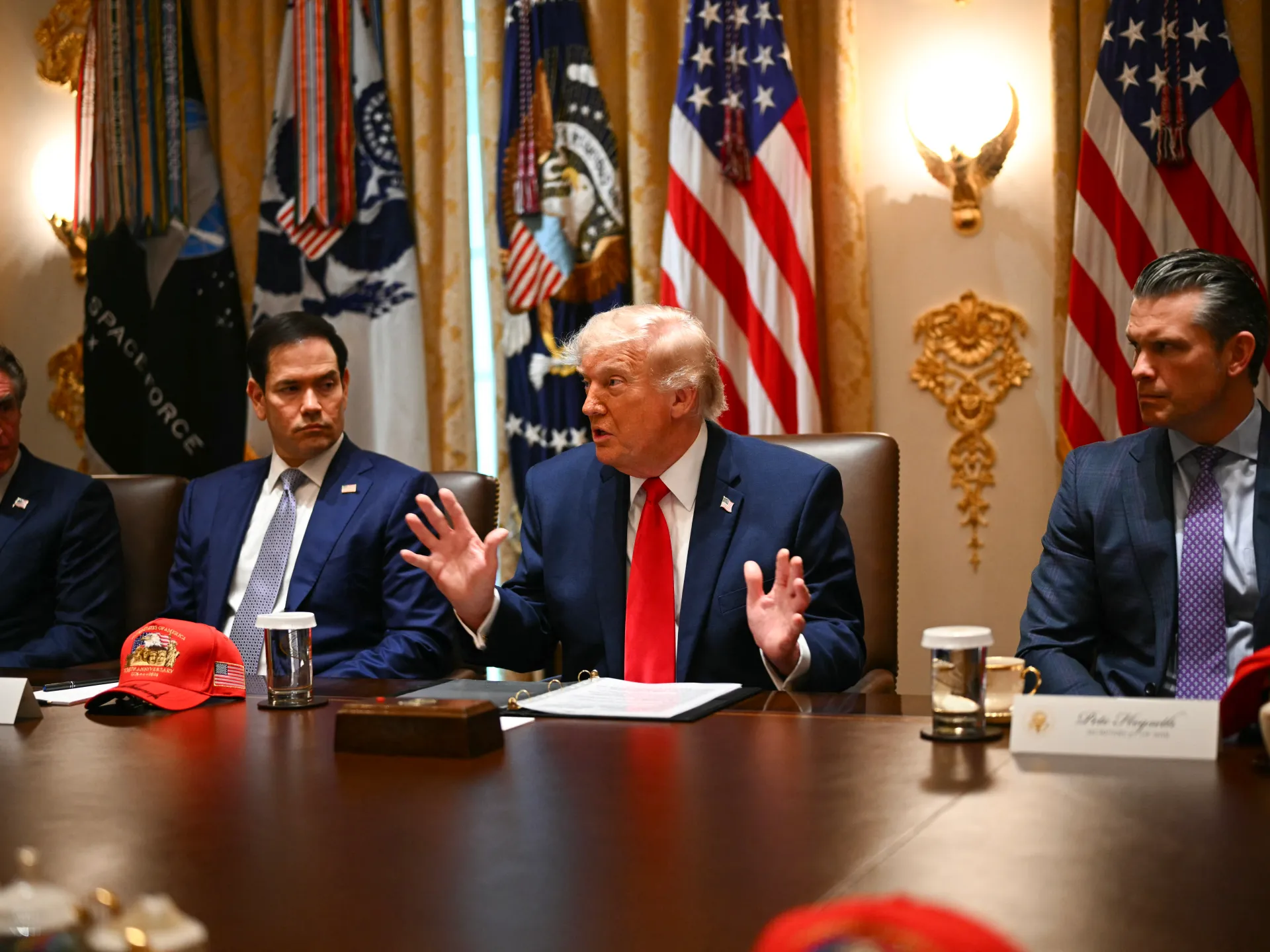
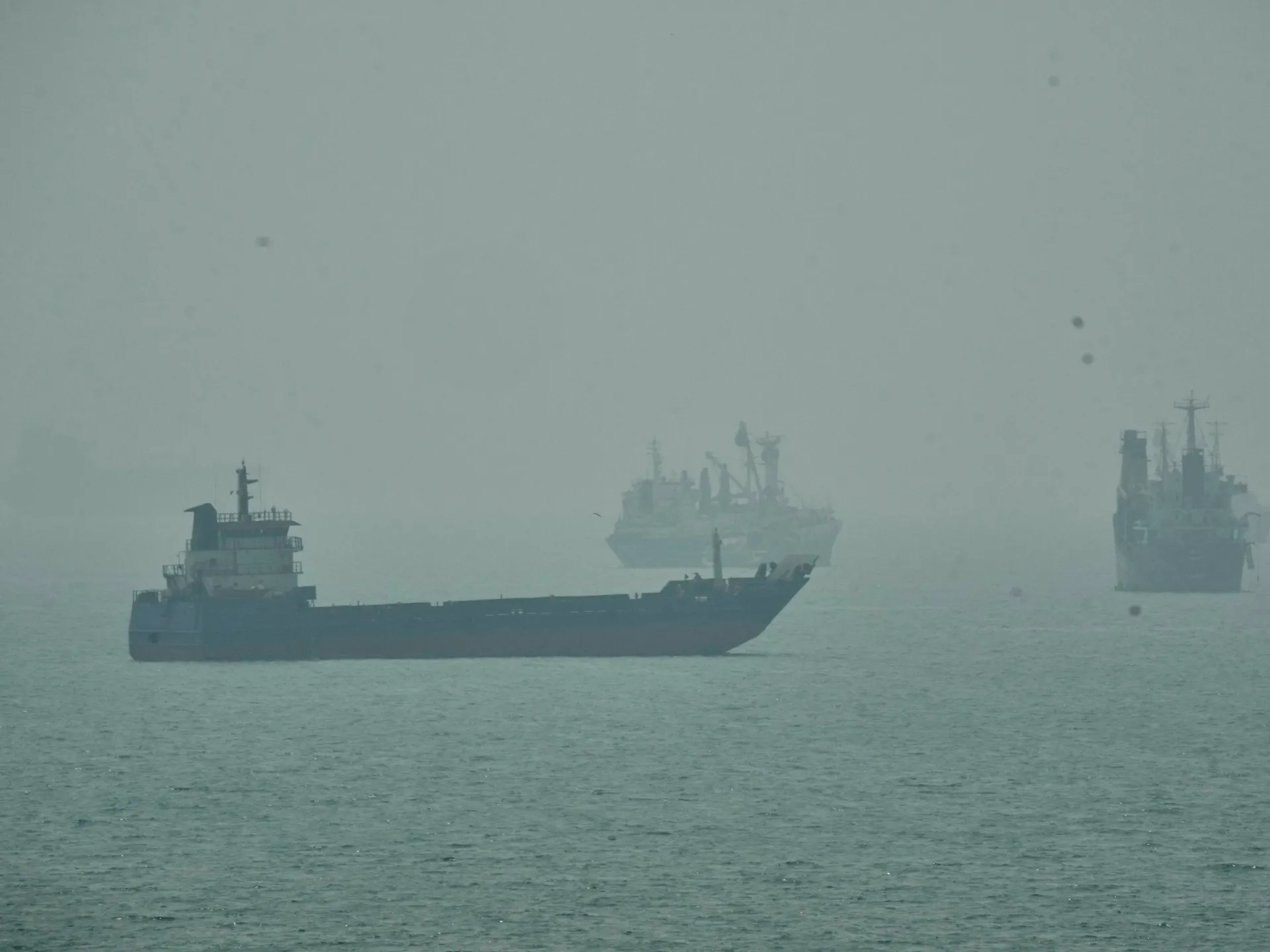
United States President Donald Trump has convened in the Situation Room to make a final determination on a potential agreement with Iran, a move that could extend the current ceasefire and reopen the Strait of Hormuz. The decision comes after weeks of high-stakes negotiations in Doha, where Iranian negotiators have sought to end a three-month conflict that began with a fragile ceasefire on 8 April.
In a statement posted on Truth Social, Trump outlined a series of stringent conditions for any accord. These include a guarantee that Iran will never possess nuclear weapons, the Strait of Hormuz remaining open in both directions without tolls, the removal of remaining naval mines, and the United States unearthing and destroying Iran’s buried enriched uranium. Trump noted that while other items of lesser importance had been agreed upon, no money would be exchanged until further notice.
The diplomatic landscape remains fraught with suspicion. Iran’s top negotiator, Mohammad Bagher Ghalibaf, emphasised that Tehran would judge any agreement by actions rather than words. Citing deep mistrust, Ghalibaf stated that no action would be taken before the other side acted, adding that the winner of any agreement is the party better prepared for war the day after.
White House sources had previously reported a tentative 60-day ceasefire extension to allow for formal negotiations, but Trump has not yet signed off on the arrangement. Al Jazeera’s Patty Culhane, reporting from the White House, noted that the administration has a history of indicating a deal has been reached only for it to later be found that it had not. She observed that if this were a final deal, it would represent the entire wishlist of US demands with few concessions for Iran.
Despite the uncertainty, Iranian state news outlet Fars reported that the agreement is in its final stages of ratification. However, sources denied that the memorandum of understanding includes provisions for destroying nuclear materials. They suggested that arrangements for reopening the Strait could involve the monitoring and inspection of ships, a detail that underscores the complex security considerations surrounding the waterway.