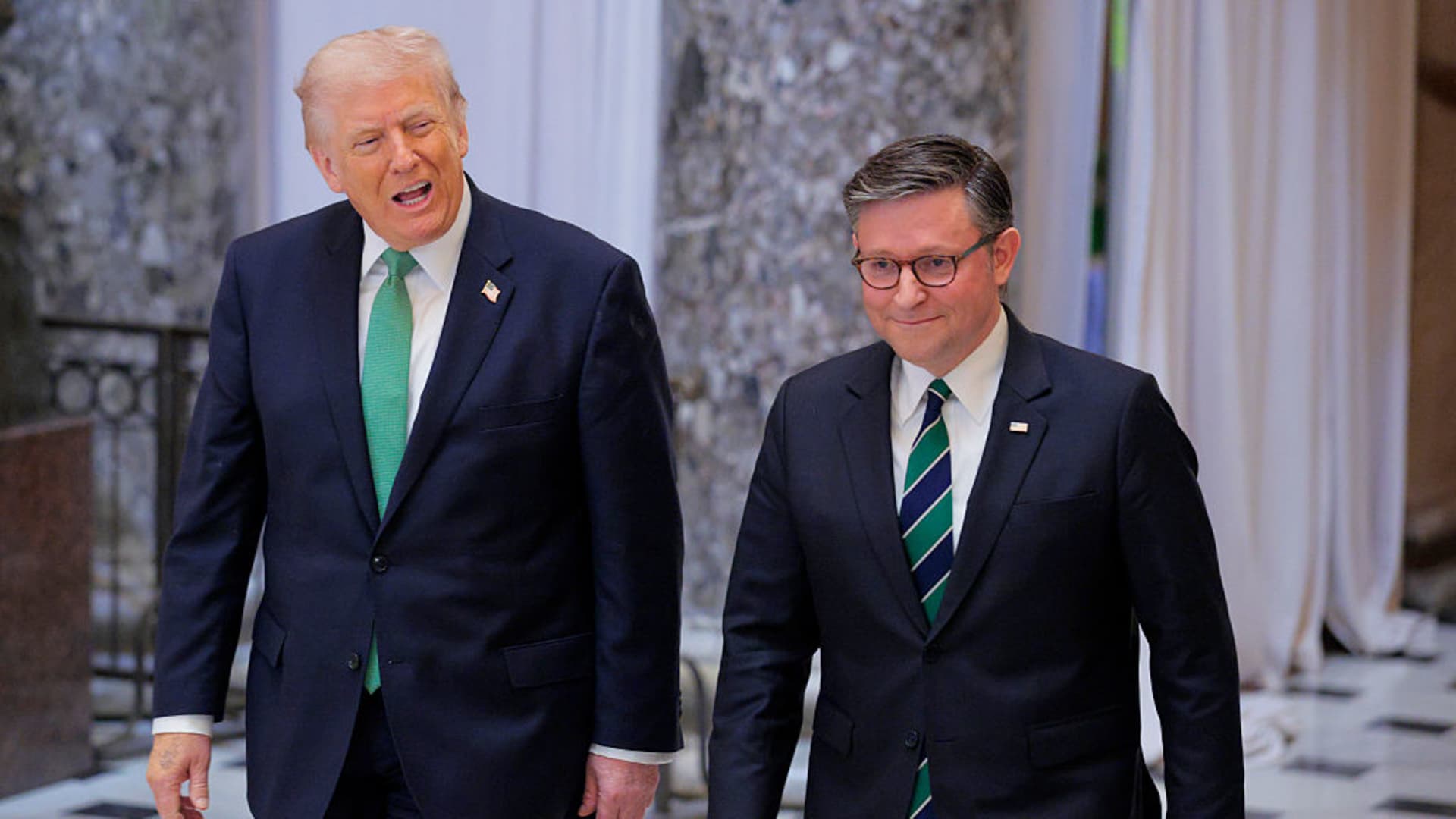
Trump links trade halt threat to Federal Reserve rate cuts
The US President has demanded a significant reduction in interest rates, warning that trade with deficit partners will be suspended if the central bank does not act.
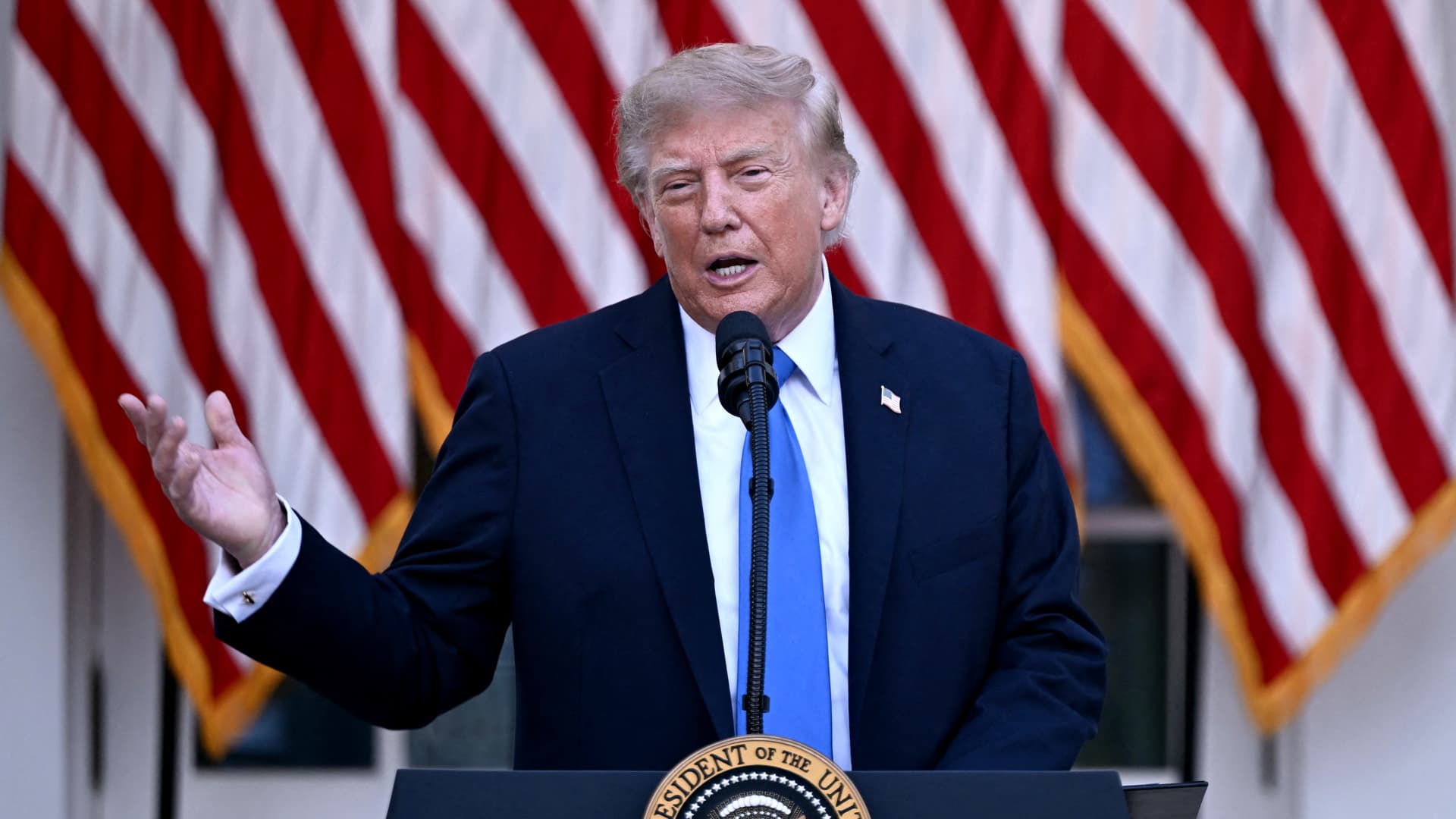
US President Donald Trump has intensified pressure on the Federal Reserve, demanding that the central bank slash interest rates. In a move that could reshape global economic expectations, Mr Trump warned that the United States will halt trade with nations with which it maintains trade deficits if rates are not lowered.
The statement represents a direct link between domestic monetary policy and bilateral trade relations. While the specific list of targeted partners has not been explicitly identified, the condition for the threatened trade halt is clear: the maintenance of US trade deficits with those countries.
This development arrives amid a period of heightened uncertainty in US trade policy. The President recently announced a 50 per cent tariff increase on imports of cars, trucks, and auto parts from Canada, a measure set to become effective on 1 January 2027.
Market volatility has also been a feature of recent months. In August 2026, intensified economic sanctions against Iran led to significant losses in US markets, prompting the Treasury to announce emergency buybacks of long-dated debt to stabilise the sector.
Analysts note that the President’s demand for a rate "slash" has not been quantified, leaving the magnitude of the expected cut open to interpretation. Furthermore, the threat is currently characterised as a demand and warning rather than a formal policy announcement or executive order.
The exact timeline or trigger mechanism for the trade halt remains unspecified, adding a layer of ambiguity to an already complex economic landscape. Investors are closely monitoring whether this rhetoric will translate into concrete policy shifts in the coming weeks.