Trump imposes 50% tariffs on Canadian goods, citing discriminatory trade practices
The move, which excludes energy and potash, marks a significant departure from previous trade policy by removing exemptions for North American free trade goods and raising concerns of escalating tensions with Washington’s largest trading partner.
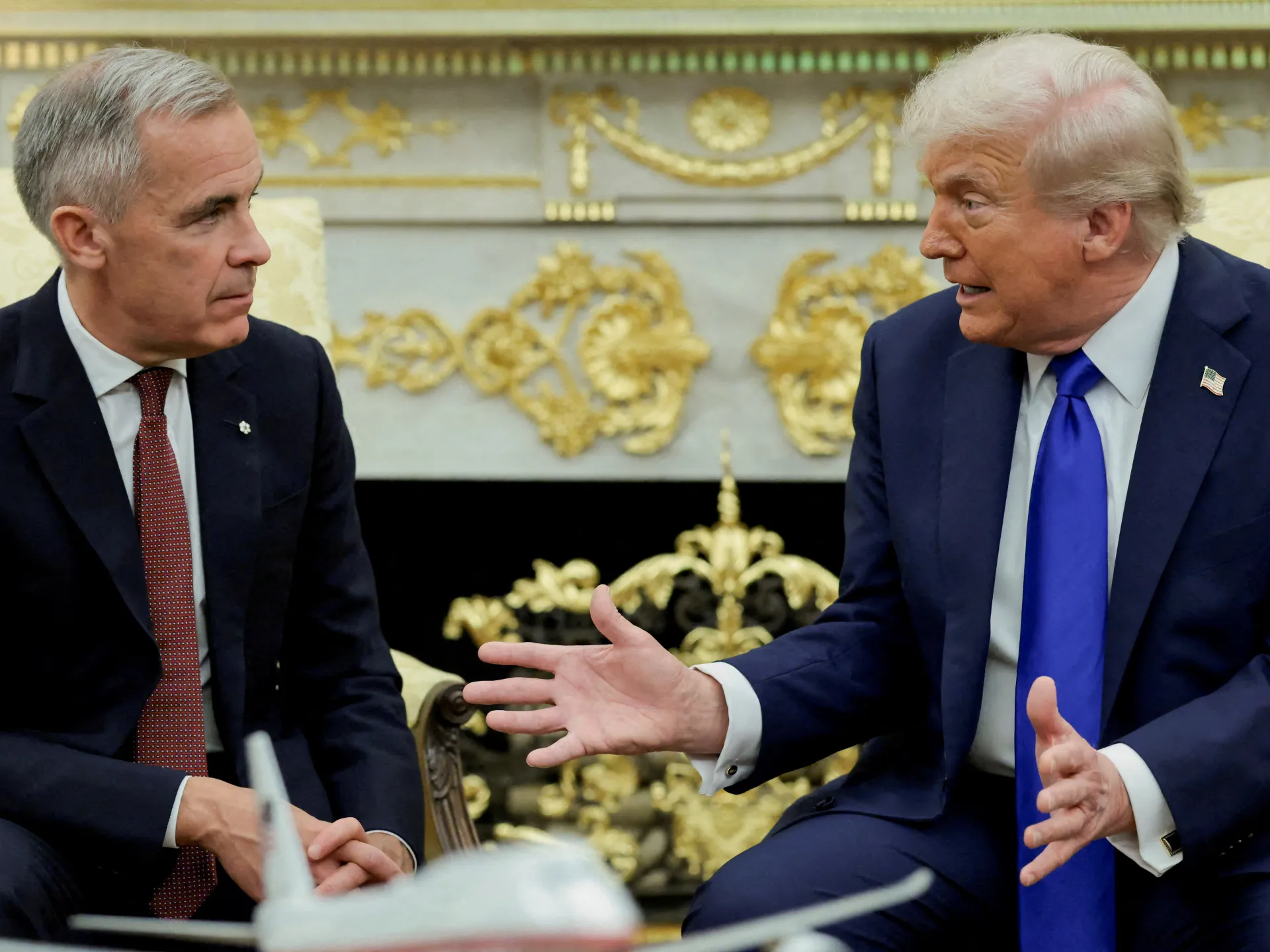
US President Donald Trump has ordered the imposition of 50 per cent tariffs on select Canadian products, including wine, hockey sticks and cement, citing discriminatory treatment by Ottawa against American alcohol, automobile and dairy exports. The duties, enacted under Section 338 of the Tariff Act of 1930, are scheduled to take effect in 30 days and apply to goods covered by the US-Mexico-Canada Agreement (USMCA), with the exception of energy products and potash.
The White House justified the measures by pointing to specific Canadian actions it deems retaliatory and exclusionary. According to the administration, several Canadian provinces have removed US alcohol from shelves, granted preferential market access to dairy products from the European Union, and imposed caps on vehicle exports from companies reshoring operations to the United States. US Trade Representative Jamieson Greer identified Canada as one of only two countries, alongside China, to have retaliated against Trump’s tariffs in the previous year.
This directive represents a notable shift in trade policy, as previous sweeping duties imposed by the Trump administration generally exempted goods entering the United States under the North American free trade pact. By targeting USMCA-covered goods, the latest action threatens to strain the trilateral agreement and further isolate Canada within the North American economic framework. The move follows recent threats by Trump to increase tariffs over wildfire smoke that recently descended on the United States.
The legal basis for these duties, Section 338 of the Tariff Act of 1930, is an untested provision for this type of action. The White House stated that the tariffs aim to hold Canada accountable for its retaliation and discrimination. The announcement has already sparked concerns of escalation among businesses, compounding existing tensions over the trade pact and adding complexity to Trump’s broader tariff strategy, which has previously faced judicial scrutiny after the Supreme Court struck down many of his earlier tariffs earlier this year.
Goods already subject to sector-specific duties are excluded from the new tariffs. However, the inclusion of items such as cement and wine under the 50 per cent rate signals a potential renewal of trade conflict. As the 30-day implementation window begins, the decision underscores the fragility of the US-Canada economic relationship, with Canada remaining the second-largest US trade partner.