Trump holds final determination meeting on Iran deal framework
US President Donald Trump convened senior advisers to assess a framework agreement with Tehran, insisting on the destruction of enriched uranium and unrestricted access to the Strait of Hormuz, while Iranian officials reject negotiations on their nuclear programme.
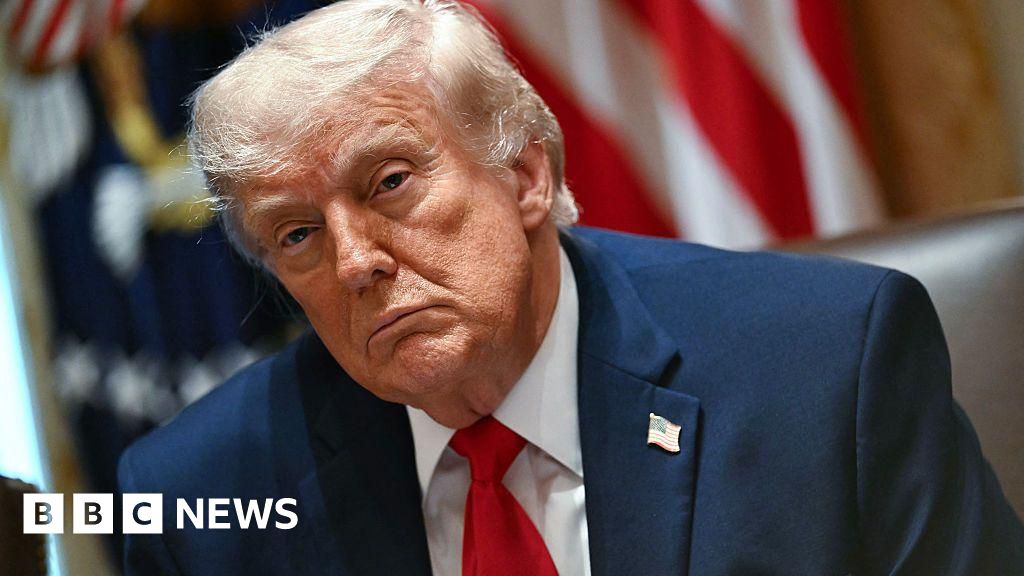
US President Donald Trump met with senior advisers in the White House Situation Room on Friday to make a "final determination" on a framework agreement with Iran, though the meeting concluded without clarity on the immediate next steps. The discussion followed a memorandum of understanding agreed upon by both nations on Thursday, which US officials confirmed would extend a fragile ceasefire for 60 days and initiate talks regarding the future of Iran’s nuclear programme.
During the proceedings, President Trump reiterated stringent conditions for any final accord, insisting that Iran must permanently renounce nuclear weapons, reopen the Strait of Hormuz for unrestricted shipping traffic, and allow for the destruction of its enriched uranium stockpile. In a social media post earlier in the day, Trump indicated a willingness to lift the US naval blockade of the Strait, stating that ships could "start the process of 'heading home!'" provided these conditions were met, while noting that no financial exchanges would occur until further notice.
Iranian officials have firmly rejected the premise of negotiating their nuclear programme, which Tehran maintains is solely for civilian purposes. Esmaeil Baqaei, spokesman for Iran’s foreign ministry, told state television that the country is "focused on ending the war" and is not engaging in discussions on nuclear issues. Furthermore, Iran’s Fars news agency cited sources describing Trump’s recent demands as a "mixture of truth and lies," pointing out that the existing memorandum of understanding contains no provision for the destruction of nuclear materials.
Tensions remain high as both sides continue to accuse each other of violating the ceasefire that commenced on 8 April. The Islamic Revolutionary Guard Corps claimed it targeted a US air base in Kuwait, an action US Central Command labelled an "egregious ceasefire violation." Conversely, US Secretary of Defense Pete Hegseth suggested that the United States retains the capability to "recommence" strikes, stating that military stockpiles are well-suited for such operations if diplomatic efforts fail.
Despite the diplomatic stalemate, US Vice-President JD Vance indicated that negotiators were still working through specific language points, including the "question of enrichment," and claimed the administration was "very close" to a resolution. However, Iran’s chief negotiator, Mohammad Baqer Qalibaf, emphasised a lack of trust in verbal guarantees, stating that no action would be taken until the other side acted first, and warning that the winner of any agreement would be the party best prepared for war in its aftermath.