Trump heads to Beijing for talks with Xi as Iran war tensions escalate
Trade remains the primary agenda, but a “long talk” on the Iran conflict is scheduled as regional tensions intensify with arrests in Kuwait and accusations against Tehran.
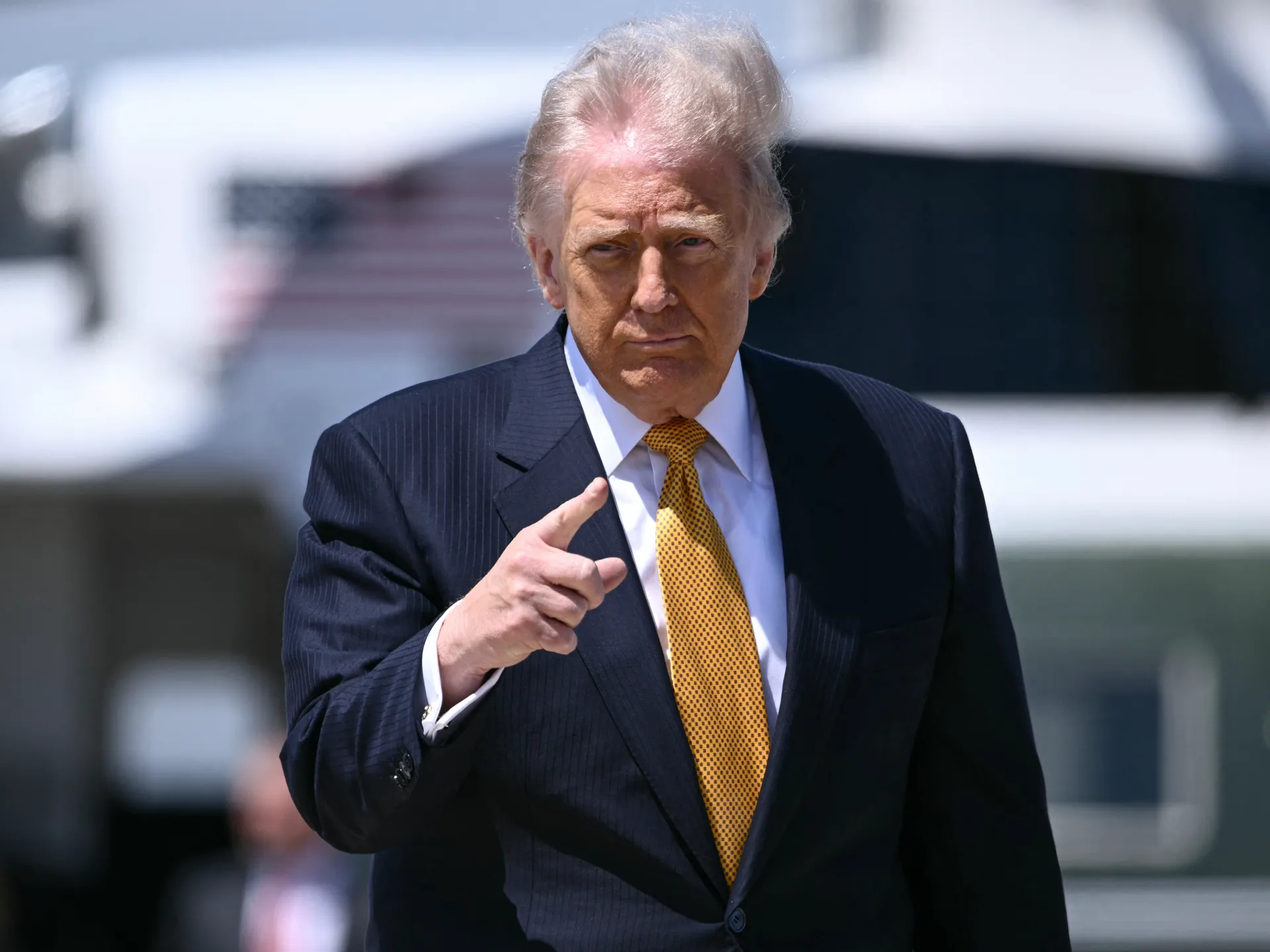
United States President Donald Trump departed for Beijing on Tuesday for a summit with Chinese President Xi Jinping, marking a significant diplomatic engagement as tensions surrounding the ongoing Iran war continue to escalate. While trade remains the central focus of the visit, President Trump indicated that the two leaders would hold a “long talk” regarding the conflict, signalling the geopolitical weight attached to the discussions.
The summit arrives against a backdrop of heightened instability in the Gulf region. Kuwait recently announced the arrest of four alleged members of Iran’s Islamic Revolutionary Guard Corps (IRGC), accusing them of planning “hostile” activities after they attempted to enter the country via Bubiyan Island. Simultaneously, Qatar has accused Tehran of “weaponising” the Strait of Hormuz, alleging that Iran is using the waterway to “blackmail” Gulf states while vital energy supplies remain trapped in the region.
Diplomatic efforts to resolve the conflict are currently stalled. Peace negotiations between Iran and the United States are deadlocked, with Iran demanding war reparations and recognition of its sovereignty over the strait, while the US insists on the dismantling of Iran’s nuclear programme. Iran’s Deputy Foreign Minister Kazem Gharibabadi has accused Washington of seeking capitulation rather than peace, stating that true peace cannot be built with “humiliation, threa[te]”.
On the international stage, China and Russia have expressed reservations about a second draft resolution on the Strait of Hormuz tabled by Bahrain and the United States. This follows a veto of a similar first draft last month by the same two nations. It remains unclear whether China and Russia will exercise their veto power on the new proposal, adding uncertainty to the diplomatic landscape.
President Trump has insisted that the conflict will end “peacefully or otherwise”, while Tehran has accused Washington and Israel of fabricating “justifications for atrocity”. The high-stakes nature of the Beijing summit underscores the complex interplay between trade interests and security concerns as the world watches the developments in the Gulf.