Trump escalates Iran strikes, threatens civilian targets as ceasefire stability wavers
Amidst retaliatory missile fire on US bases in the Gulf, Washington signals continued military pressure while domestic political pressures mount ahead of major national events.
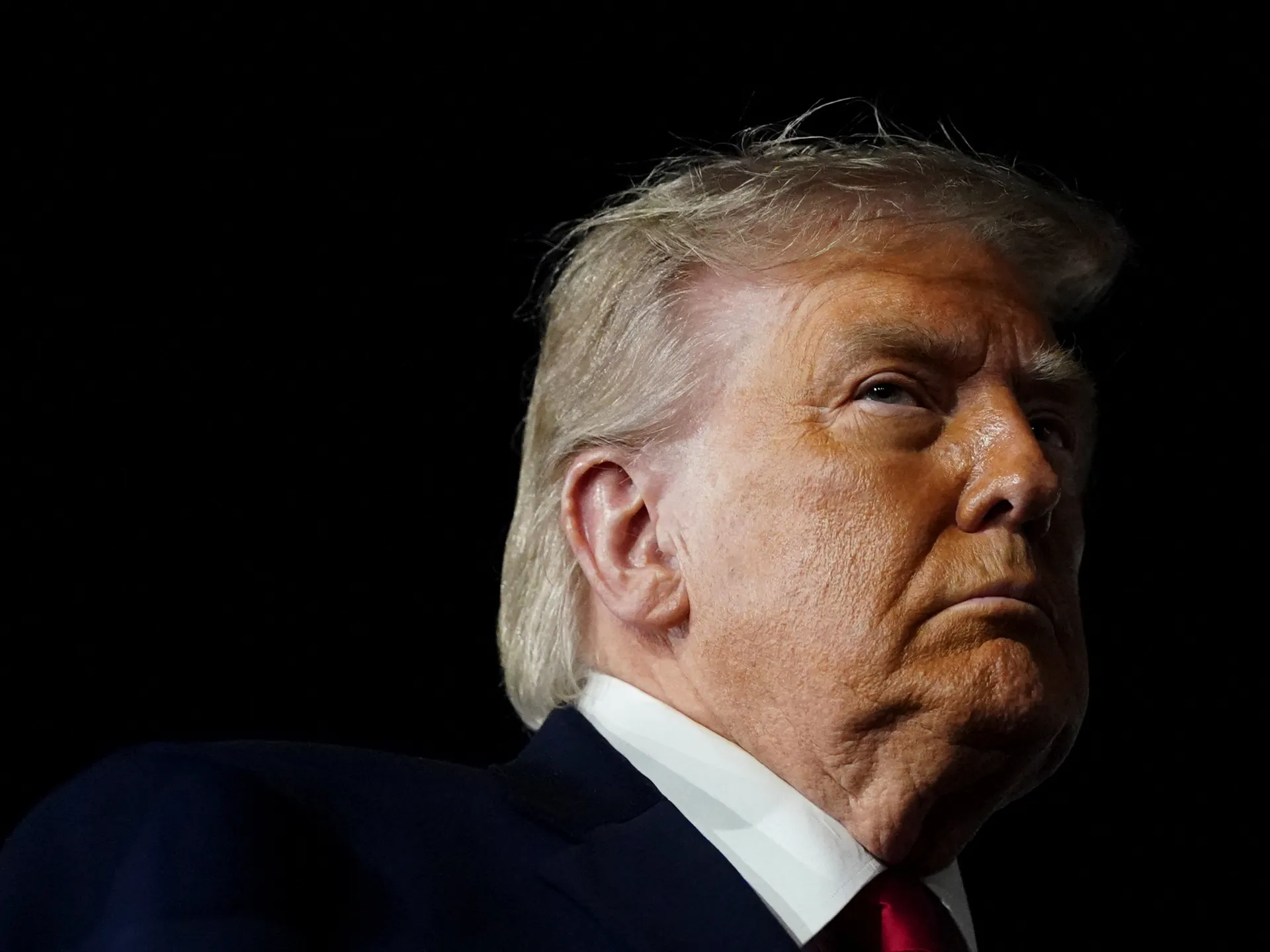
US President Donald Trump has intensified his military campaign against Iran, indicating that strikes on Iranian territory may continue following the downing of a helicopter over the Strait of Hormuz. Speaking to Fox News on Wednesday, the President stated, “I may keep going,” adding that Tehran had “a chance to sign a deal and survive.” The escalation comes after US forces began targeting sites inside Iran on Tuesday, a move that has triggered immediate retaliatory actions from Iranian military assets.
The situation has raised significant concerns regarding the durability of the Pakistan-mediated ceasefire established on April 8. While previous exchanges of fire over recent weeks were described as contained, Trump’s Oval Office remarks on Wednesday suggested a more protracted conflict. “We’re going to be attacking them, attacking them very hard,” the President told reporters, while declining to confirm specific future targets but noting, “But I could do that,” when asked about plans to strike civilian infrastructure.
Iranian officials have firmly rejected the prospect of capitulation. President Masoud Pezeshkian told state news agency IRNA that while war is not in the country’s interest, Iran “will not yield” to threats against its dignity, land, or territory. Deputy Speaker Haji Babaei echoed this stance, asserting that America would lose in any economic or military confrontation and insisting that diplomacy must address the “demands of the Iranian nation.”
In response to the US strikes, Iran’s Islamic Revolutionary Guard Corps launched missiles at military bases in Bahrain, Kuwait, and Jordan. Despite Trump’s claim on Truth Social that Iran has been “completely defeated,” Tehran has maintained its blockade of the Strait of Hormuz, contributing to soaring energy prices. The Iranian government has stated it will not sign any agreement that fails to recognise its national rights, signalling a hardening of diplomatic positions even as military tensions rise.
Domestically, the President faces mounting criticism from Democratic lawmakers regarding his management of the conflict. Senator Chris Murphy posted on X that the President has “lost total control of the Iran War,” accusing him of prioritising personal schemes over the soaring cost of living. This political pressure coincides with a busy domestic calendar, including the FIFA World Cup, the 250th anniversary of US independence, and the approaching midterm election season, which may influence the administration’s strategic calculations.