Trump directs negotiators to avoid rushing Iran settlement as talks stall
Washington maintains port blockade and nuclear red lines while Iranian officials cite lingering disagreements over a potential 60-day ceasefire and Strait of Hormuz access.
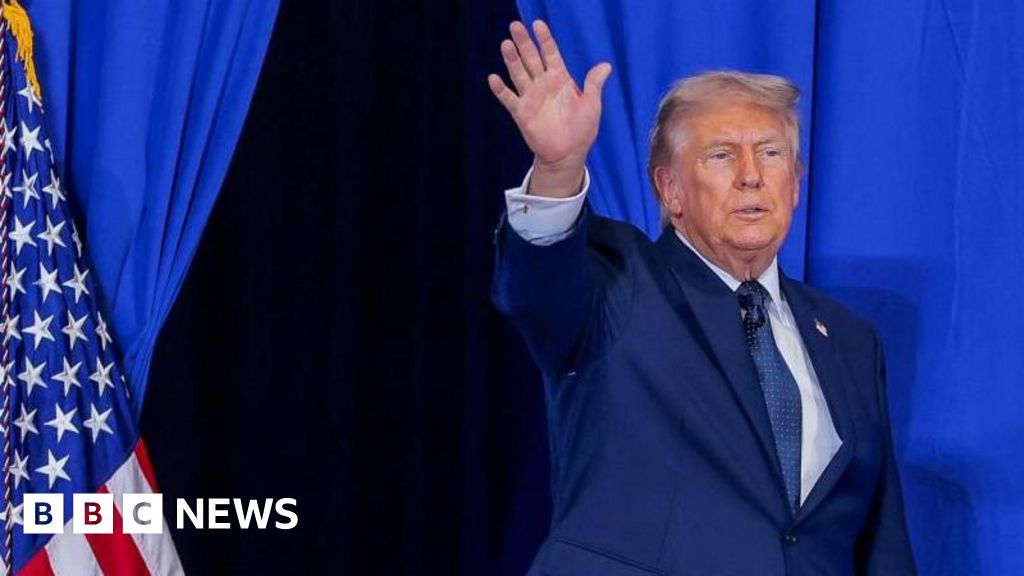
US President Donald Trump has instructed his diplomatic team to avoid rushing into a settlement with Iran, emphasising that both parties must take sufficient time to ensure the terms are correct. The directive comes after reports suggested a deal involving a 60-day ceasefire extension and the reopening of the Strait of Hormuz was close to completion. While Trump indicated on social media that negotiations were proceeding constructively, Iranian officials have noted remaining points of disagreement.
In a post on Truth Social, Trump stated that talks were proceeding in an "orderly and constructive manner" but warned that "both sides must take their time and get it right." He reiterated that there could be no mistakes in the final agreement and stressed that Iran "must understand" it cannot develop a nuclear weapon, a stance shared by Israel and other Western allies. The United States and its partners suspect Tehran is seeking to develop nuclear capabilities through uranium enrichment, a claim Iran denies, maintaining its programme is solely for peaceful purposes.
The current diplomatic efforts follow a period of intense military escalation. On 28 February, Israel and the United States launched massive air strikes on Iran, prompting Tehran to retaliate with drones and missiles at targets in Israel and across the Gulf. A ceasefire agreed in April has largely been observed, despite occasional exchanges of fire. However, the United States has maintained a blockade of Iranian ports since early April to exert pressure on Tehran, a measure Trump confirmed remains in "full force and effect" until an agreement is reached, certified, and signed.
US Secretary of State Marco Rubio described the progress in negotiations as "significant" but "not final." He hinted at potential developments regarding the Strait of Hormuz, suggesting that recent progress could result in the waterway being "completely open... without tolls." Iran controls the strait, a critical chokepoint through which approximately 20 per cent of the world's oil and liquefied natural gas travels. Iran's effective closure of the waterway has contributed to soaring global oil prices.
Despite the optimism from mediators, significant hurdles remain. Iranian Foreign Ministry spokesperson Esmail Baghaei indicated that while a "memorandum of understanding" was being finalised to allow further talks, there were still "one or two" points of disagreement. Pakistan’s Deputy Prime Minister Ishaq Dar, acting as a mediator, described the negotiations as having "grounds for optimism" with a positive outcome "within reach." However, US media outlets reported on Sunday that no agreement was expected to be signed immediately, underscoring the complexity of the remaining issues.