Trump departs Beijing with limited diplomatic gains as markets react tepidly
Business deals touted by the White House failed to generate market enthusiasm, while Beijing issued stern reminders regarding the Strait of Hormuz and the conflict in Iran.
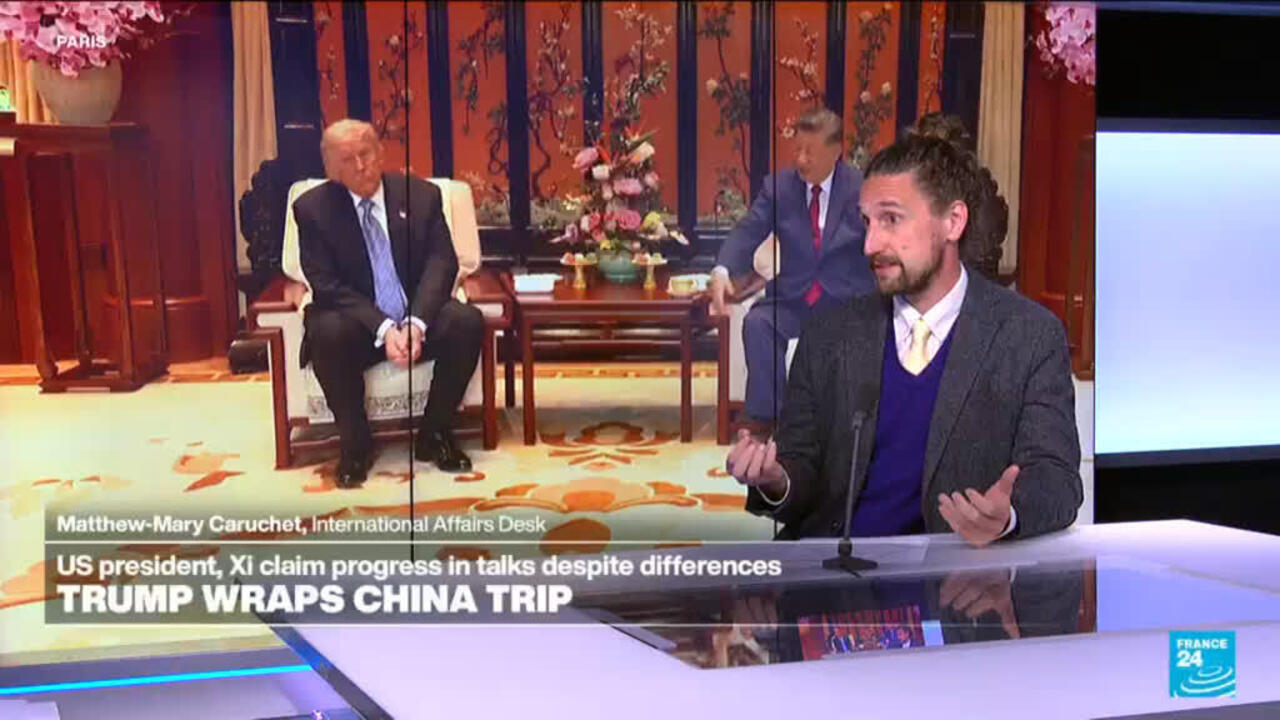
US President Donald Trump departed Beijing on Friday following a summit with Chinese President Xi Jinping, marking the first visit by a US president to China since 2017. The trip, which was aimed at securing tangible results to bolster his approval ratings ahead of the midterm elections, yielded limited diplomatic gains. Despite the high-profile nature of the engagement, the outcomes failed to generate significant market enthusiasm, with business deals announced during the visit receiving a muted response from investors.
The summit agenda focused on critical issues including trade, artificial intelligence, and the Strait of Hormuz. Attendees included prominent US business leaders such as Elon Musk, Tim Cook, and Jensen Huang. However, the commercial announcements did not translate into broad market confidence. Boeing shares declined following the conclusion of the talks, reflecting investor disappointment with the specific outcomes of the meeting.
In contrast to the broader market reaction, Nvidia shares surged by more than 2% following the approval of a chip sale, highlighting selective gains within the technology sector. Meanwhile, Cisco announced plans for job cuts as part of broader restructuring efforts. The mixed financial signals underscored the gap between diplomatic announcements and investor expectations regarding tangible commercial agreements.
On the geopolitical front, the White House confirmed that President Xi Jinping agreed during bilateral talks that the Strait of Hormuz must remain open to support the free flow of energy. This agreement came as tensions surrounding the conflict in Iran deepened. Following Trump’s claim that China agreed to purchase US crude oil, oil prices rose, indicating immediate market sensitivity to the trade discussions.
Beijing used the occasion to issue direct warnings to Washington regarding the handling of Taiwan. Additionally, Chinese officials stated that the war with Iran should not have commenced. These statements, combined with the tepid market reaction to the business deals, suggest that the visit achieved few significant wins for the US administration as it seeks to strengthen its position ahead of crucial domestic political contests.