Trump Declines Taiwan Defence Pledge Amidst Beijing Summit Tensions
Following a two-day summit in Beijing, Donald Trump stated he made no commitment regarding the defence of Taiwan after President Xi Jinping raised the issue directly, though he indicated a decision on arms sales would follow consultations with Taipei.
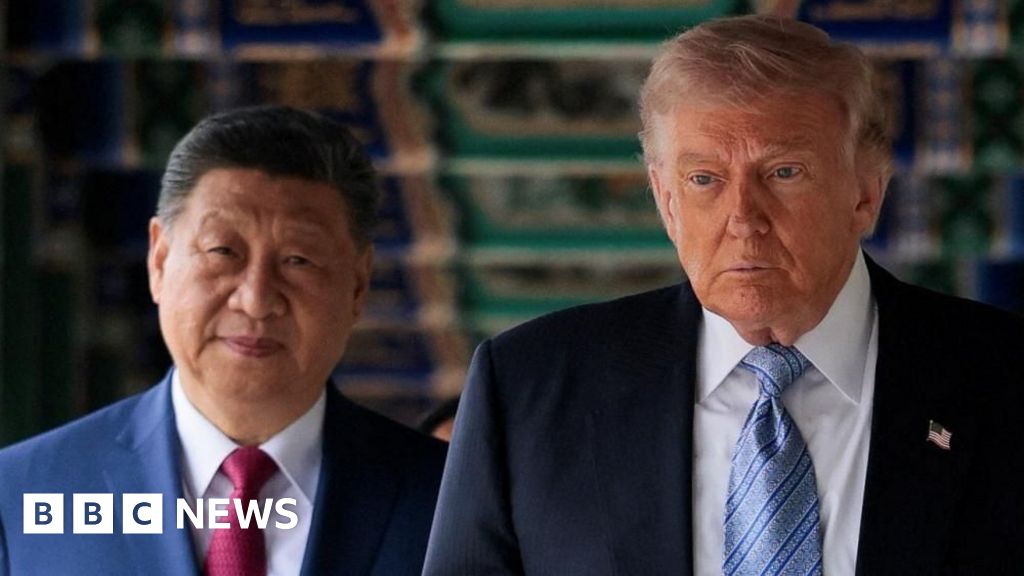
US President Donald Trump has stated he made no commitment regarding the defence of Taiwan during discussions with Chinese President Xi Jinping in Beijing, describing the issue as one he does not discuss publicly. Speaking to reporters on the flight back to Washington following the two-day summit, Trump confirmed that Xi had asked directly whether the United States would defend the island, to which he replied, "I don't talk about that."
The US President emphasized that the determination regarding the island's security rests solely with him. "There is only one person that knows that. You know who it is? Me," Trump told the press, declining to elaborate on specific defence protocols. He noted that while he had discussed the matter in great detail with his Chinese counterpart, he would not comment further on the question of military intervention.
A focal point of the diplomatic engagement was the status of a previously delayed $14 billion arms package to Taiwan. Trump indicated that he would make a determination on the sale within a "fairly short period," stating that he intends to speak with Taiwan’s President Lai Ching-te before finalising the decision. The administration had announced an $11 billion weapons package late last year, including advanced rocket launchers and missiles, but Trump confirmed on Friday that he was still weighing the final approval.
During the talks, Xi Jinping warned that the Taiwan question is the most critical issue in China-US relations, asserting that mishandling it could lead to conflict or collision. Trump acknowledged that Xi "feels very strongly" about the island and does not wish to see a movement for independence, which he described as a potential source of strong confrontation. Despite these warnings, Trump expressed confidence that war is unlikely, noting that Xi does not want a fight for independence.
Taiwan’s Foreign Minister Lin Chia-lung stated that his government had been monitoring the summit closely and maintained communication with the US to safeguard its interests. Lin accused China of escalating regional risk through aggressive military actions and authoritarian oppression, while affirming Taiwan’s role as a guardian of peace and stability in the region.
The summit, which marked the first visit by an American president to China since 2017, concluded with positive rhetoric but few concrete agreements on key issues including trade, artificial intelligence, and the war in Iran. While Nvidia shares rose following news of H200 chip sales approvals, the leaders established an institutional framework for managing relations without resolving the underlying tensions surrounding Taiwan.