Trump declares US a 'soccer country' as World Cup tensions mask logistical success
Despite controversies involving visa denials, tariff threats against co-hosts, and intervention in match rulings, the White House maintains the tournament was a diplomatic and cultural triumph.
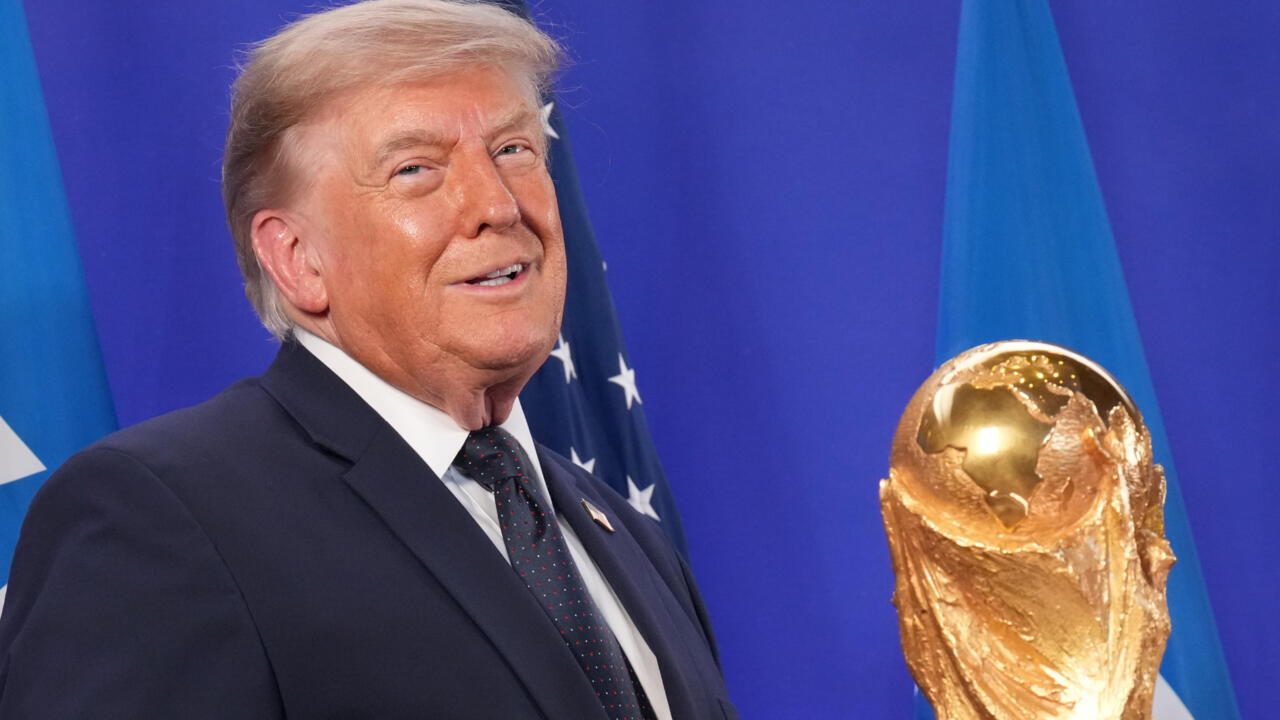
US President Donald Trump declared the 2026 World Cup a success for the United States on Friday, asserting that the nation had transformed into a "soccer country" capable of uniting the global community. Speaking at a FIFA reception at Trump Tower in New York City, Trump stated that the tournament, co-hosted with Mexico and Canada, had "brought the world together," despite a period marked by significant geopolitical friction and domestic controversy.
The administration’s handling of the event has drawn sharp criticism, particularly regarding hardline migration policies that excluded fans from certain qualifier nations and denied entry to a Somali referee who had received accolades for his officiating. The White House also faced backlash for high ticket prices and threats to relocate matches from cities that did not cooperate with federal immigration authorities. Furthermore, tensions with co-hosts escalated as Trump imposed stiff tariffs on Canada and Mexico and failed to renew their shared trade pact, recently threatening additional tariffs on Canada over wildfires affecting air quality in northern New Jersey, where the final will be held.
Controversy also centred on the US team’s performance and officiating. Trump successfully appealed to FIFA to overturn a red card issued to US player Folarin Balogun during the match against Bosnia and Herzegovina. Although the United States subsequently lost 4-1 to Belgium, Trump praised FIFA chief Gianni Infantino for the reversal. Andrew Giuliani, executive director of the White House FIFA Task Force, argued the administration had a "duty" to raise concerns about the officiating process, noting billions in federal funding had been invested to ensure the event’s integrity.
Beyond the political disputes, logistical challenges persisted but were largely managed. Senator Andy Kim of New Jersey noted that while there were transit hiccups, the overall experience was defined by public excitement rather than downsides. Social media reports indicated that fears of immigration enforcement raids near stadiums did not materialise, with fans enjoying local traditions. The successful hosting is viewed as a precursor to securing future events, including the 2028 Summer Olympics and the 2031 Women’s World Cup, the latter of which Giuliani linked to strict definitions of female participation.
As the tournament concludes, leaders from Mexico, Canada, and Spain have confirmed attendance at Sunday’s final between Argentina and Spain, though Argentine President Javier Milei will abstain, citing superstition. Trump is scheduled to present the trophy, maintaining a complex diplomatic posture towards both Spain, which he criticises for NATO spending, and Argentina, whose leadership he previously supported through aid threats. The event marks a pivotal moment for US sports diplomacy, balancing cultural celebration with ongoing trade and security disputes.