Trump declares Iran deal 'largely negotiated' as Washington reports significant diplomatic movement
Diplomatic activity intensifies with Pakistan offering to host next round of talks, while regional tensions persist over Cuban military acquisitions.
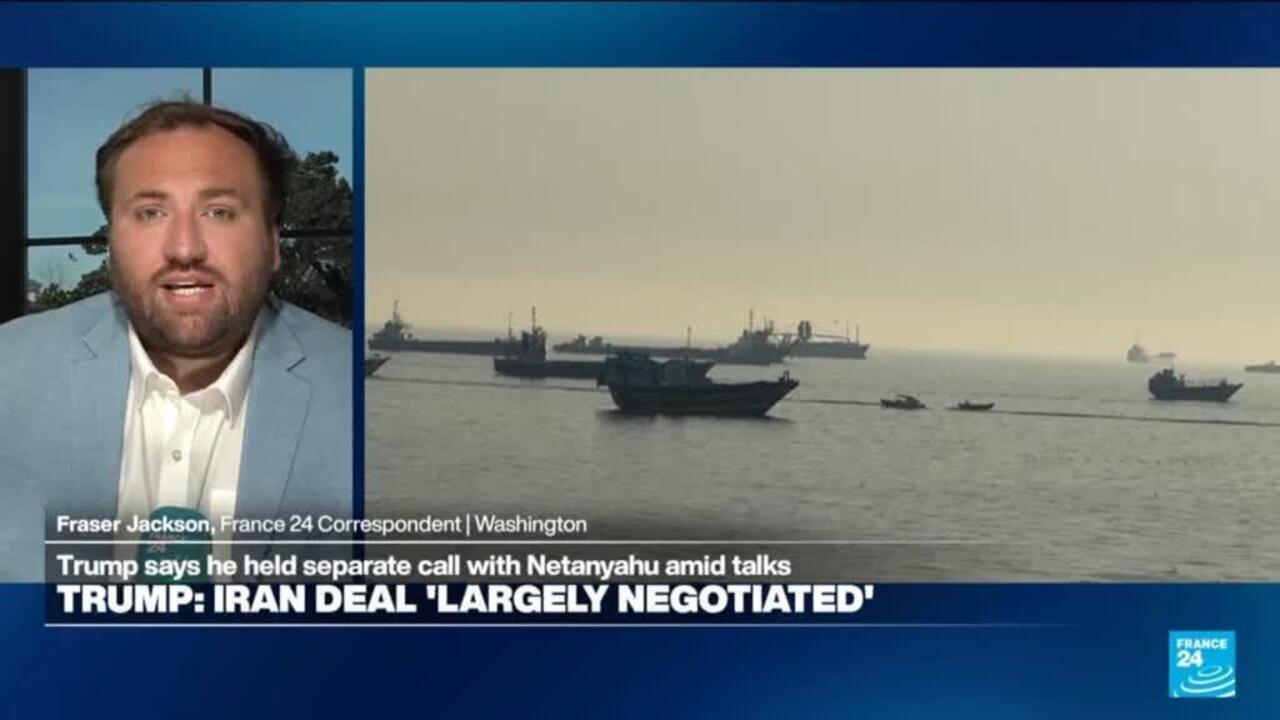
US President Donald Trump has stated that a deal with Iran is 'largely negotiated', marking a significant shift in the administration's diplomatic posture. The declaration, reported by France 24 on 24 May 2026, follows recent reports of 'significant movement' in Washington regarding progress towards an agreement to end the war.
The President’s comments build upon earlier assessments from US Secretary of State Marco Rubio, who previously announced that US-Iran talks had shown 'significant progress'. While the specific terms of the proposed agreement remain undisclosed, the language used by the White House suggests that the core framework of the deal has been established.
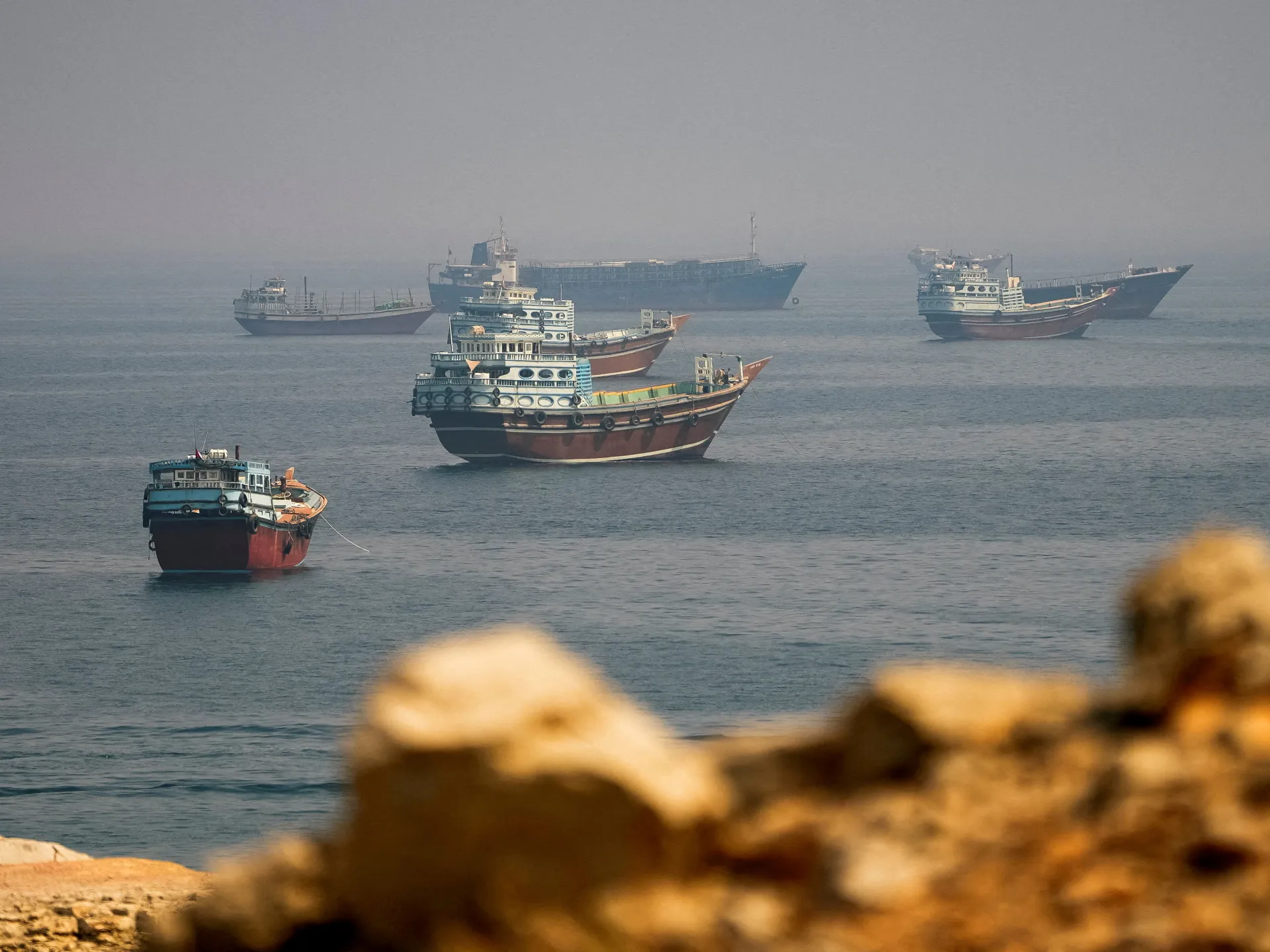
Diplomatic efforts to secure a ceasefire extension and reopen the strategically vital Strait of Hormuz have intensified in recent weeks. Amidst this activity, Pakistan Prime Minister Shehbaz Sharif has offered to host the next round of peace talks between Iran and the United States, positioning Islamabad as a key mediator in the negotiations.
The announcement comes against a backdrop of heightened geopolitical complexity. Concurrently, the United States has imposed new sanctions on Cuba’s intelligence agency and senior officials following reports that Havana has acquired over 300 military drones from Russia and Iran. Cuban President Miguel Diaz-Canel has warned of a 'bloodbath' should the US launch an attack, asserting Havana's right to self-defence.
Other regional developments include the resignation of Tulsi Gabbard as Trump’s national intelligence director and France’s decision to ban Israeli minister Itamar Ben-Gvir from entering the country due to 'unspeakable' behaviour. These events underscore the volatile nature of the current international landscape as diplomatic channels remain active.
The source material provides limited detail on the exact nature of the 'significant movement' in Washington or the specific conditions of the 'largely negotiated' deal. However, the convergence of high-level statements from the US President and Secretary of State indicates a concerted push to finalise an agreement with Tehran.
As negotiations proceed, the role of third-party mediators such as Pakistan will likely be scrutinised. The outcome of these talks will have profound implications for regional stability, particularly concerning the flow of energy through the Strait of Hormuz and the broader security architecture of the Middle East.