Trump claims US to build large military presence in Greenland
The US President asserts Washington has secured a security deal with Denmark and Greenland, a move that follows earlier European Union rebukes of his push to acquire the Arctic territory.
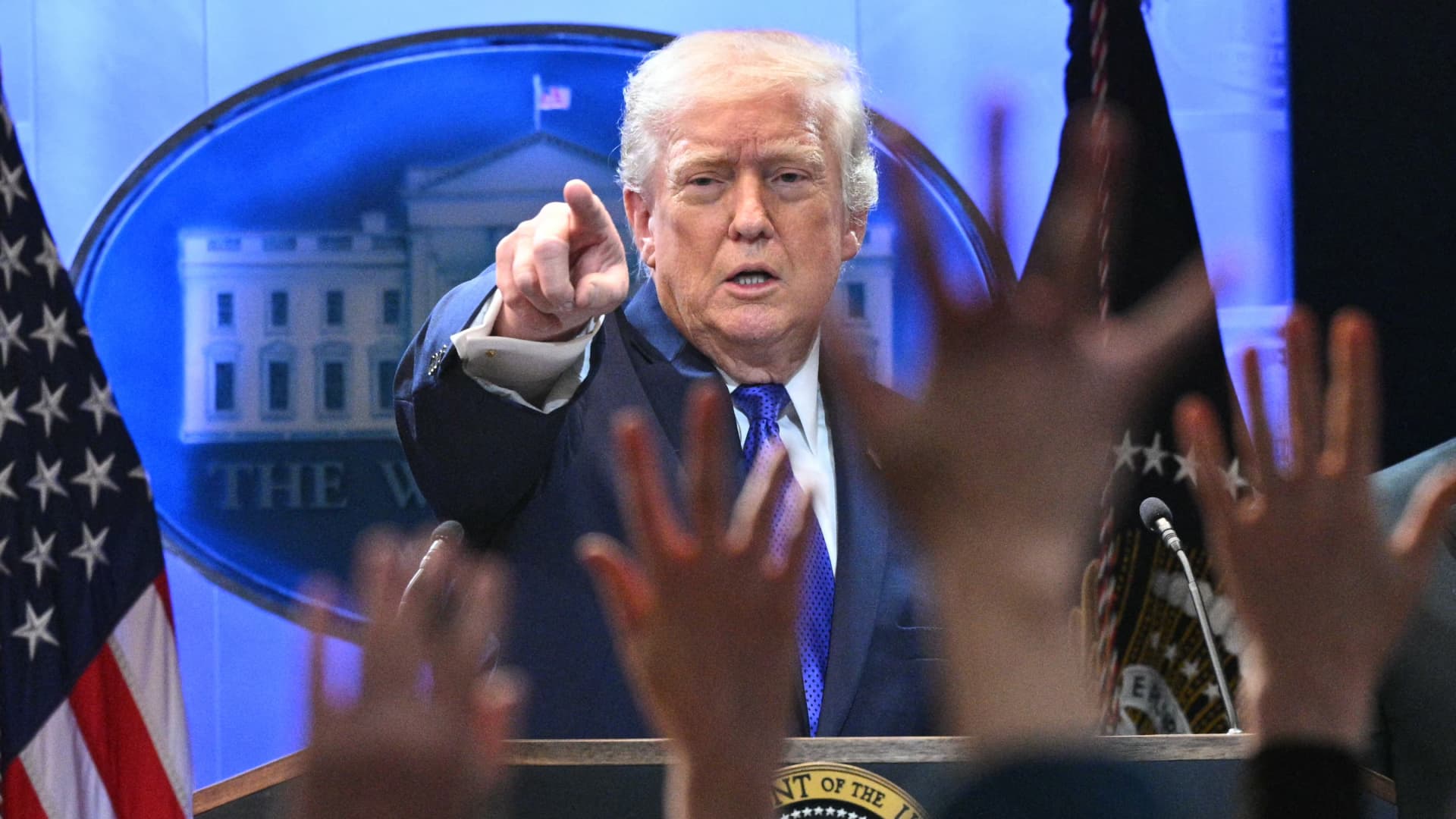
Donald Trump has announced that the United States will establish a large military presence in Greenland, describing the deployment as part of a security deal involving the territory and Denmark. The announcement, made on 18 September 2026, marks a significant development in Washington’s ongoing engagement with the Arctic region.
According to reports from CNBC, the US President stated that the move is intended to bolster security in the area. The Financial Times corroborated the claim, noting that Trump asserts Washington has secured a deal for security control in Greenland. This framing suggests a strategic pivot from a direct acquisition to a broader security arrangement.
The development comes after earlier friction between the United States and European partners. Earlier in 2026, the European Union united to rebuke Trump over his push to acquire the island. The bloc’s response highlighted the diplomatic sensitivity surrounding the territory’s status and its relationship with Denmark.
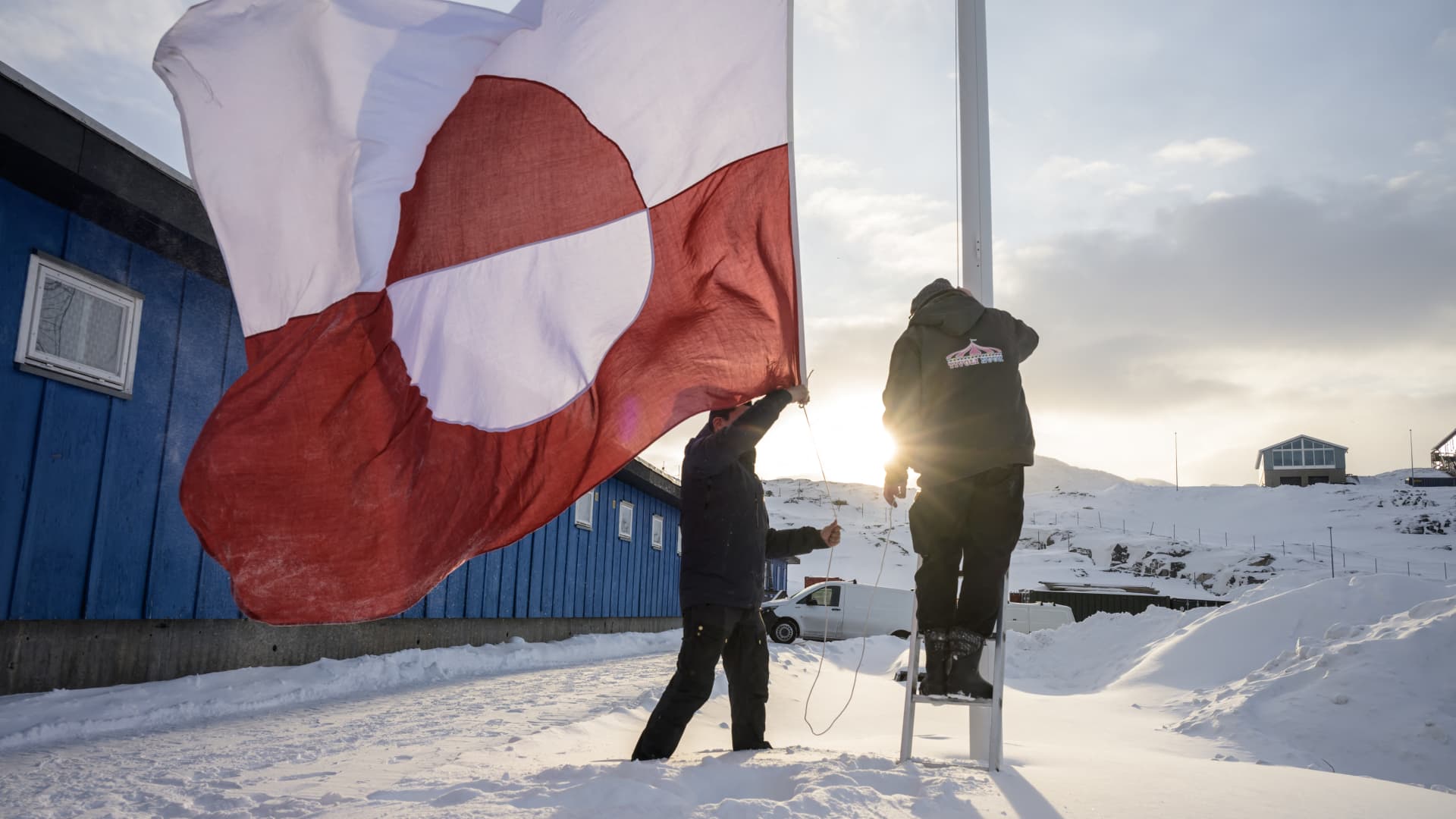
Greenland has consistently maintained that the island is not for sale, a stance that complicates any unilateral claims by foreign powers. The current security deal appears to be an attempt to navigate these political sensitivities while securing a significant military footprint in the region.
Investors and analysts are watching the situation closely, as the specific size and composition of the military presence have not yet been detailed. It remains unclear whether the "security deal" has been formally ratified by Denmark and Greenland, or if it remains a unilateral claim by the US administration.
The announcement adds to a broader context of geopolitical shifts affecting global markets. With the Federal Reserve recently raising interest rates for the first time since 2023, the interplay between monetary policy and geopolitical stability continues to shape investor sentiment.