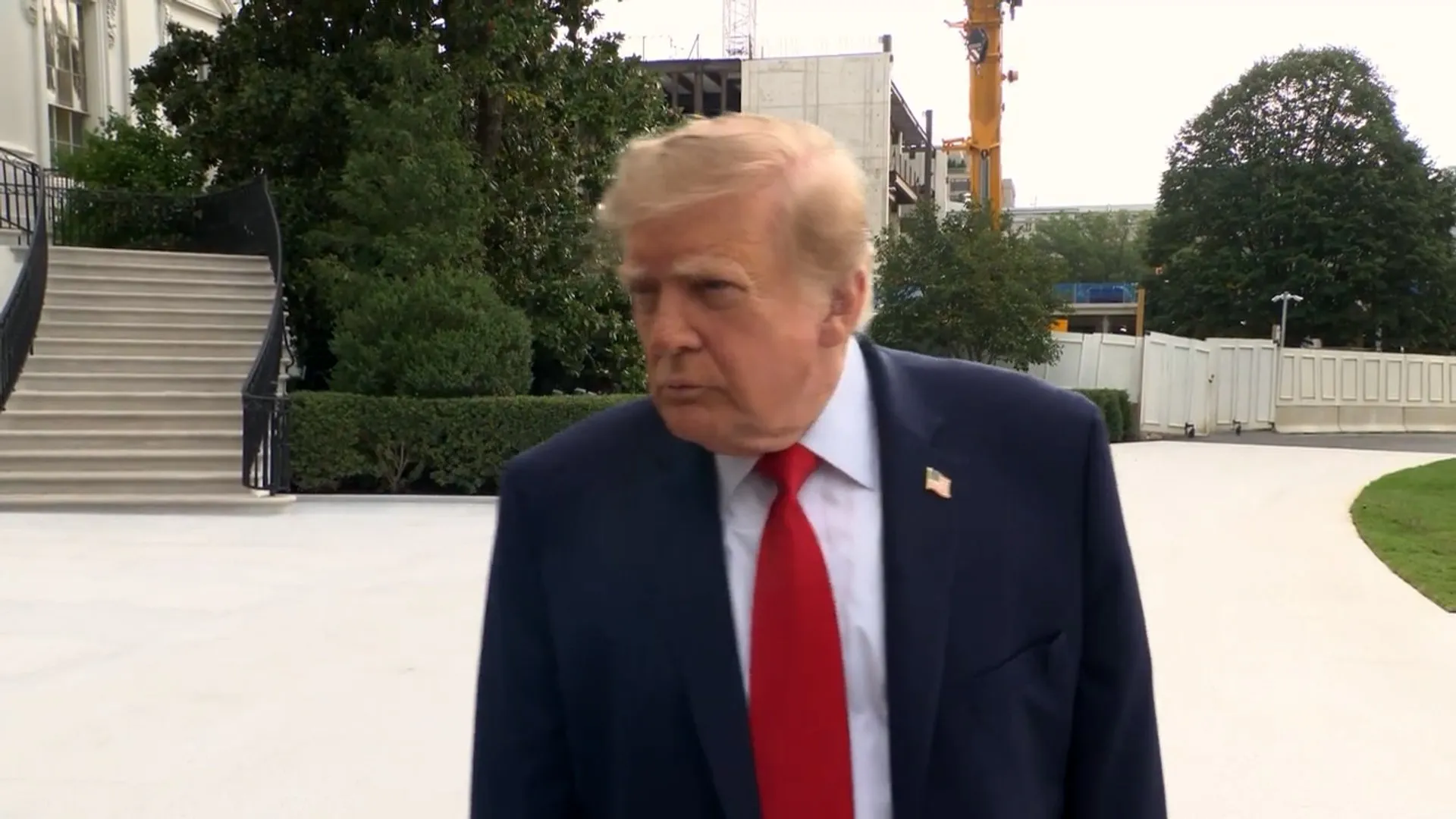
Trump claims US success as 'soccer country' amid World Cup tensions
The 2026 World Cup concluded with Spain’s victory over Argentina, but the political narrative centred on Donald Trump’s assertions of national sporting identity and strained relations with co-hosts Canada and Mexico.
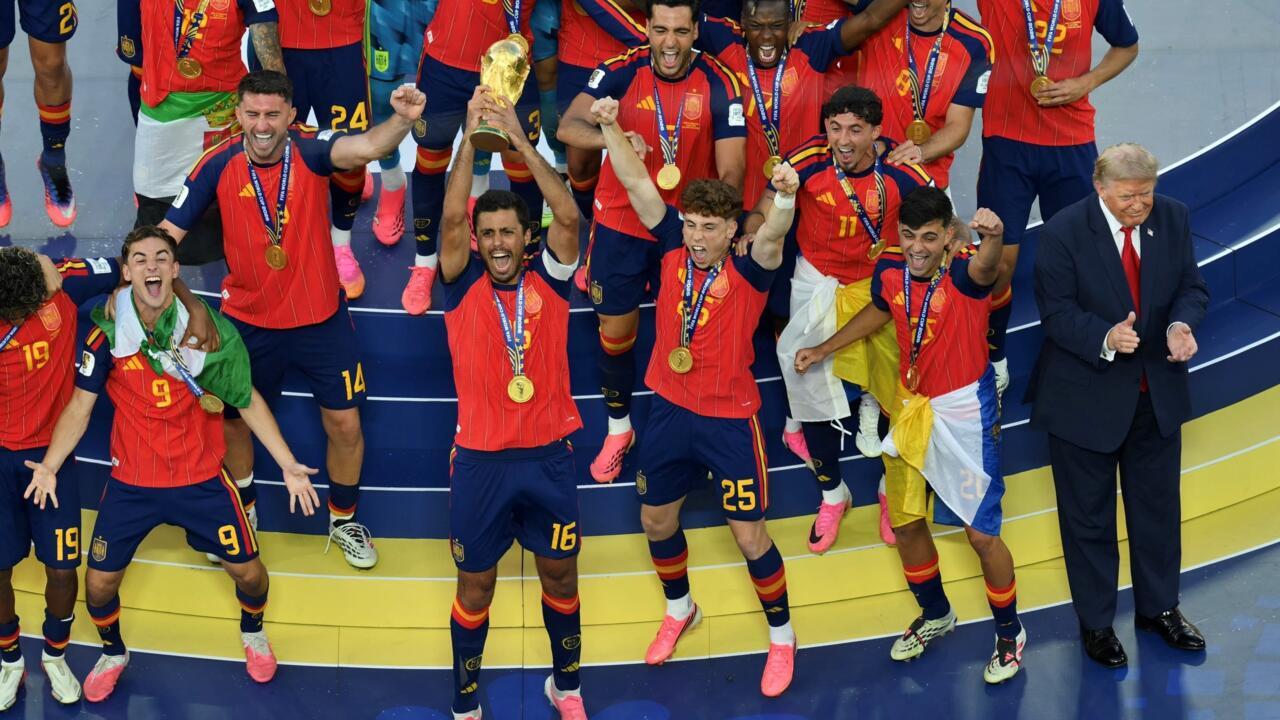
US President Donald Trump presented the 2026 World Cup trophy to Spain following their 1-0 extra-time victory over Argentina at MetLife Stadium in New Jersey. Speaking at a FIFA reception at Trump Tower in New York City, the President declared that the tournament’s scale and reception proved the United States had become a "soccer country." He stated that the event had "brought the world together" and expressed confidence that this cultural shift would endure.
The conclusion of the tournament marked the end of a year of complex logistical coordination between the US, Canada, and Mexico. The event was overshadowed by controversies, including high ticket prices, immigration restrictions that barred fans from certain qualifier nations, and ongoing trade disputes. Trump used the occasion to suggest that the US should host the next World Cup alone, proposing a rotating two-country format to mitigate "anger and shock."
Tensions with co-hosts were evident, with Trump threatening tariffs on Canada over wildfires affecting air quality in northern New Jersey. He joked that FIFA should choose the US for future tournaments and "leave Mexico and Canada out." Despite these remarks, Mexican President Claudia Sheinbaum and Canadian Prime Minister Mark Carney attended the final at Trump’s request, signalling that the sporting event provided a platform for diplomatic engagement despite broader geopolitical friction.
The administration faced scrutiny over its handling of officiating and security. Trump admitted to contacting FIFA President Gianni Infantino to request a review of a red card given to US forward Folarin Balogun during the match against Bosnia and Herzegovina. FIFA reversed the decision, allowing Balogun to play in the subsequent match against Belgium. Andrew Giuliani, executive director of the White House FIFA Task Force, defended the intervention, stating the administration had a "duty" to raise concerns about the officiating process.
While the tournament concluded with Spain’s victory, the political aftermath highlighted the intersection of sport and policy. Senator Andy Kim noted that the joy and excitement experienced by fans outweighed logistical hiccups. However, the event also underscored the Trump administration’s focus on future hosting rights, including the 2028 Summer Olympics and the 2034 Winter Olympics, as it seeks to leverage the World Cup’s success for broader international standing.