Trump claims US strike killed Tren de Aragua leader in Venezuela
The announcement coincides with the nomination of Jay Clayton as director of national intelligence, amid broader US military activity in the Caribbean and Pacific.
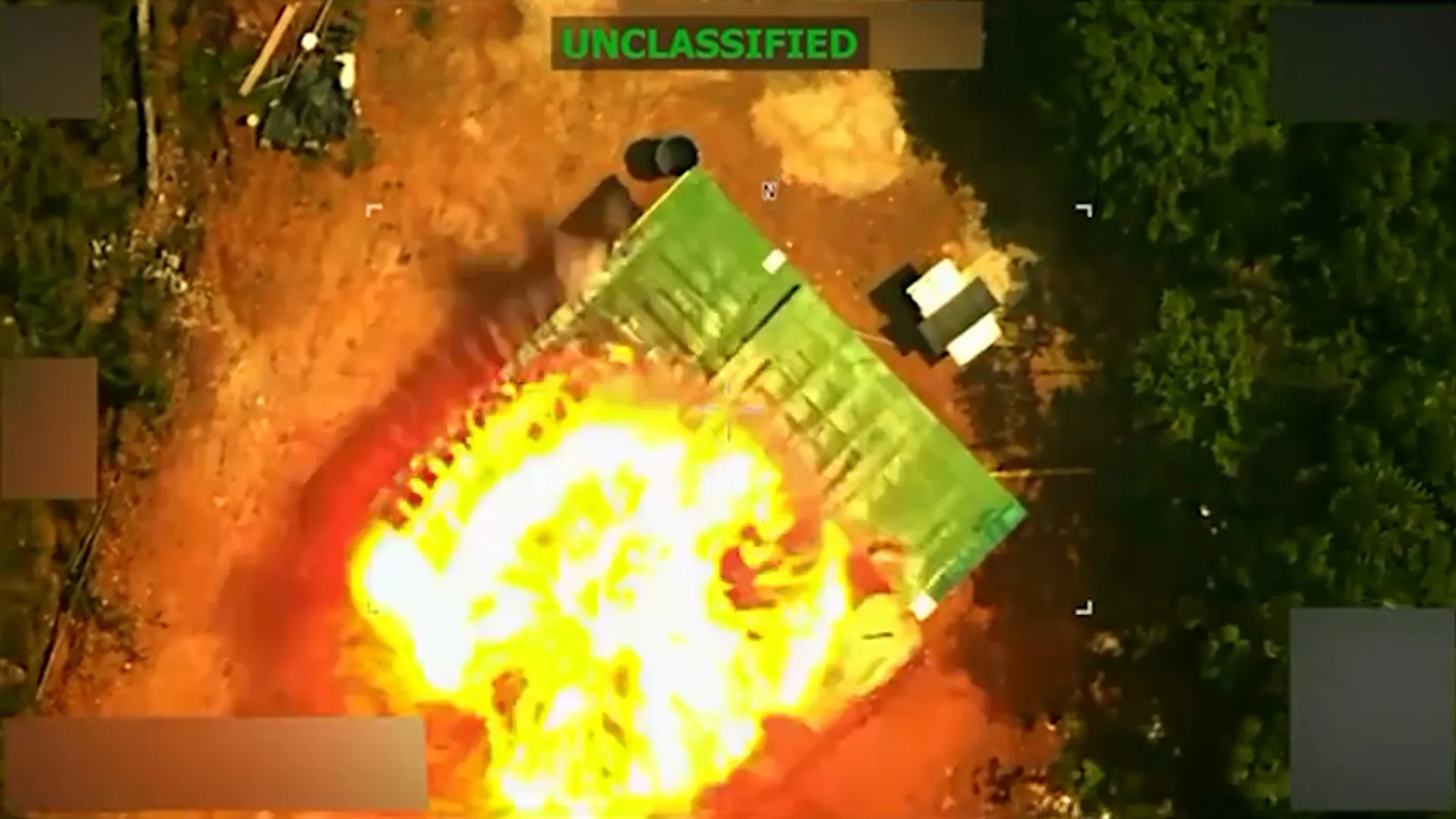
US President Donald Trump has claimed that the United States killed the leader of the Tren de Aragua gang in Venezuela, describing the operation as a “swift and lethal kinetic” strike. The assertion was made on 13 June 2026, with the White House characterising the action as a targeted intervention against the transnational criminal organisation.
The announcement aligns with reports from both the Venezuelan and US governments confirming the death of Héctor Rusthenford Guerrero Flores during a joint military operation in the southeastern state of Bolivar. This coordination marks a significant development in bilateral security cooperation, occurring against a backdrop of intensified US military activity in the region.
Since early September, the Trump administration has targeted individuals designated as “narco-terrorists” in the eastern Pacific Ocean and Caribbean Sea. These operations have resulted in at least 207 deaths in boat strikes, reflecting a broader strategy to disrupt criminal networks that Washington alleges are responsible for widespread violence, extortion, and drug trafficking across North America, South America, and Europe.
The timing of the strike announcement coincides with significant personnel changes within the US administration. On the same day, President Trump nominated US Attorney Jay Clayton to serve as the director of national intelligence. Clayton had previously characterised Tren de Aragua as a primary driver of cross-border criminal violence, reinforcing the administration’s narrative regarding the threat posed by the gang.
This development follows months of US allegations linking the gang to violence in American cities. The claim of the leader’s death comes amidst heightened geopolitical tensions, including recent incidents involving US helicopters and threats to vessels in the Strait of Hormuz, as well as concurrent personnel shifts such as Clayton’s nomination.
Verification of the gang leader’s death remains tied to the official statements from Washington and Caracas, as independent confirmation has not been separately detailed in the immediate reporting. The administration continues to frame these actions as necessary measures against designated terrorist entities operating across international borders.
The incident underscores the expanding scope of US security operations beyond traditional borders, integrating counter-narcotics efforts with broader national security objectives. As the administration consolidates its intelligence leadership under Clayton, the focus on dismantling transnational criminal organisations appears to remain a central pillar of its foreign policy approach.