Trump claims US-Iran peace framework nearing completion, citing Hormuz reopening
US President Donald Trump has asserted that a deal to end the months-long conflict with Iran is largely negotiated, potentially restoring access to the Strait of Hormuz, while Pakistan offers to host further talks.
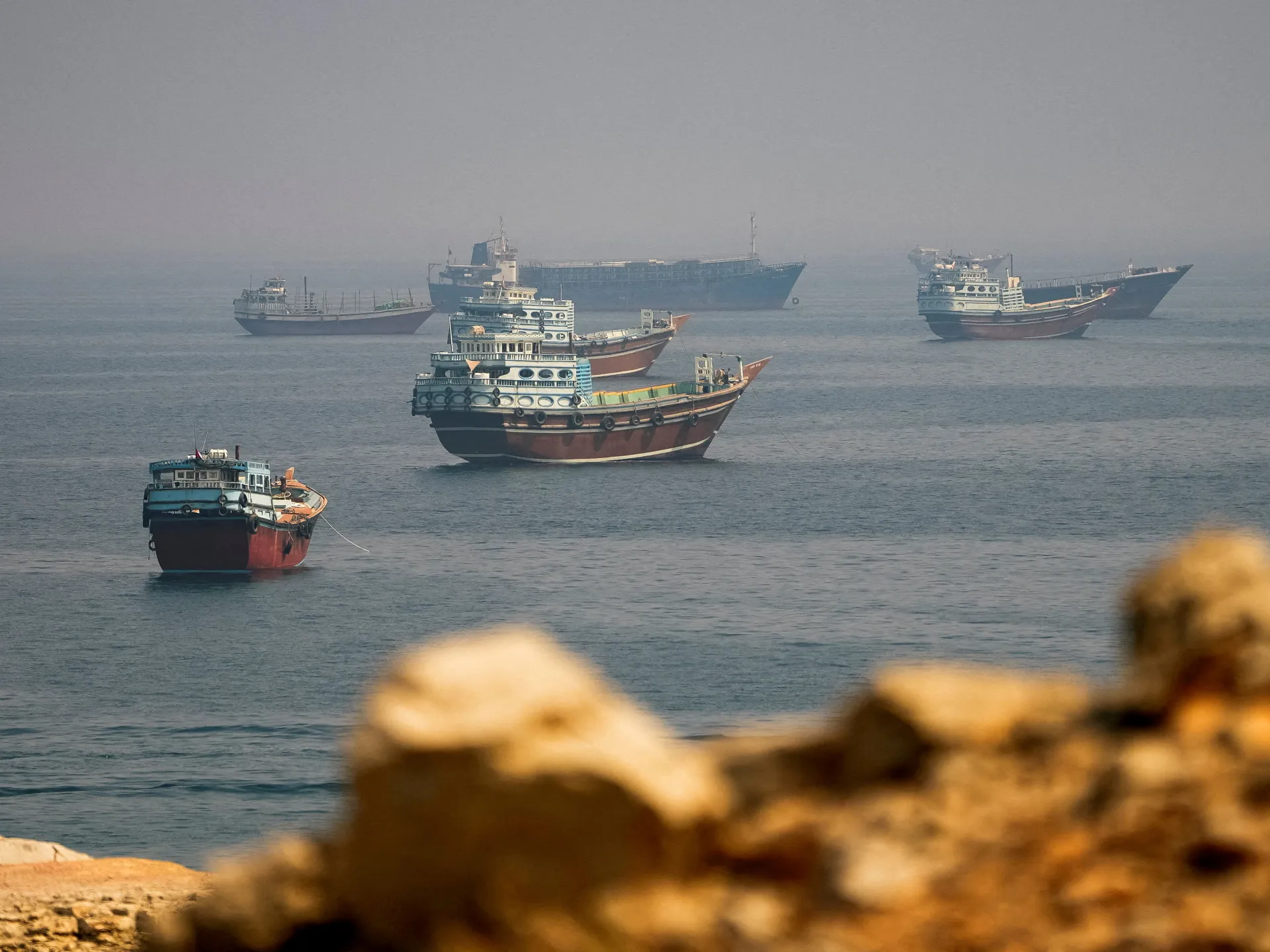
US President Donald Trump has stated that the United States and Iran are nearing a deal to end the ongoing war, a development he suggested could lead to the reopening of the strategically vital Strait of Hormuz. Speaking on his social media platform Truth Social, Trump described the proposal as a framework for peace that involves not only Washington and Tehran but also several regional states, including Saudi Arabia, the United Arab Emirates, Qatar, Pakistan, and Turkey.
The announcement comes amidst intensified diplomatic efforts to secure a ceasefire extension and stabilise the energy chokepoint. Trump indicated that the memorandum of understanding is largely negotiated, although the specific terms of the framework involving the named regional partners remain unspecified in the initial reports. The potential reopening of the Strait of Hormuz is presented as a likely outcome of the agreement rather than a guaranteed immediate result.
In a move to facilitate further negotiations, Pakistan Prime Minister Shehbaz Sharif has offered to host the next round of peace talks between Iran and the United States. This offer positions Islamabad as a key mediator in the diplomatic process, adding a new layer to the geopolitical dynamics surrounding the conflict. The involvement of regional states in the framework is mentioned, but their specific roles or level of consent has not been detailed in the provided source material.
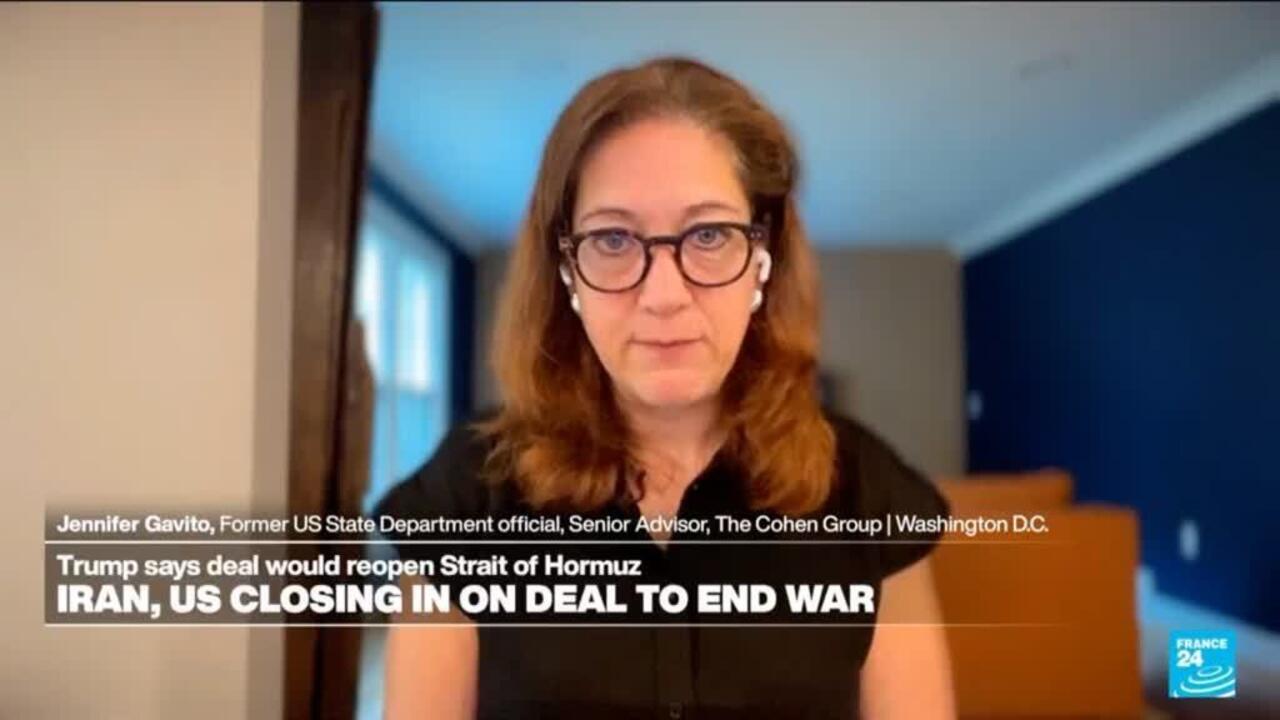
The diplomatic developments were discussed by Jennifer Gavito, a former US State Department official and now a Senior Advisor at The Cohen Group, who appeared as a guest to analyse the situation. The context of these talks is a months-long war between the US and Iran, driven by disputes over sovereignty and nuclear issues. While Trump describes the deal as closing in, no final agreement has been confirmed, and the status of the conflict remains a subject of active negotiation.
Concurrently, tensions remain high in other regions, with Cuba warning of a "bloodbath" if attacked by the US. This follows reports of Havana acquiring military drones from Russia and Iran, leading to subsequent US sanctions on Cuba’s intelligence agency and senior officials. These parallel developments highlight the complex global security landscape in May 2026, as Washington navigates multiple diplomatic and military challenges.