Trump claims diplomatic breakthrough as Iran conflict pauses for third day
Washington attributes the lull in hostilities to requests from mediating nations, though the White House simultaneously reaffirms robust ammunition reserves and ongoing military production.
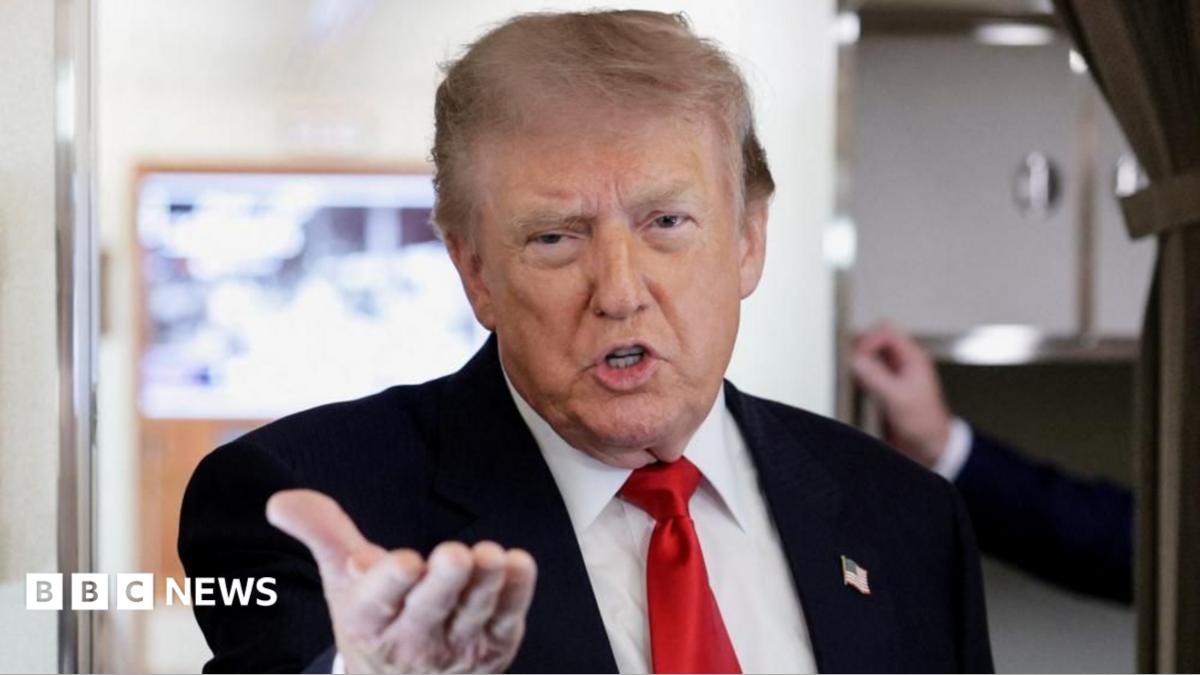
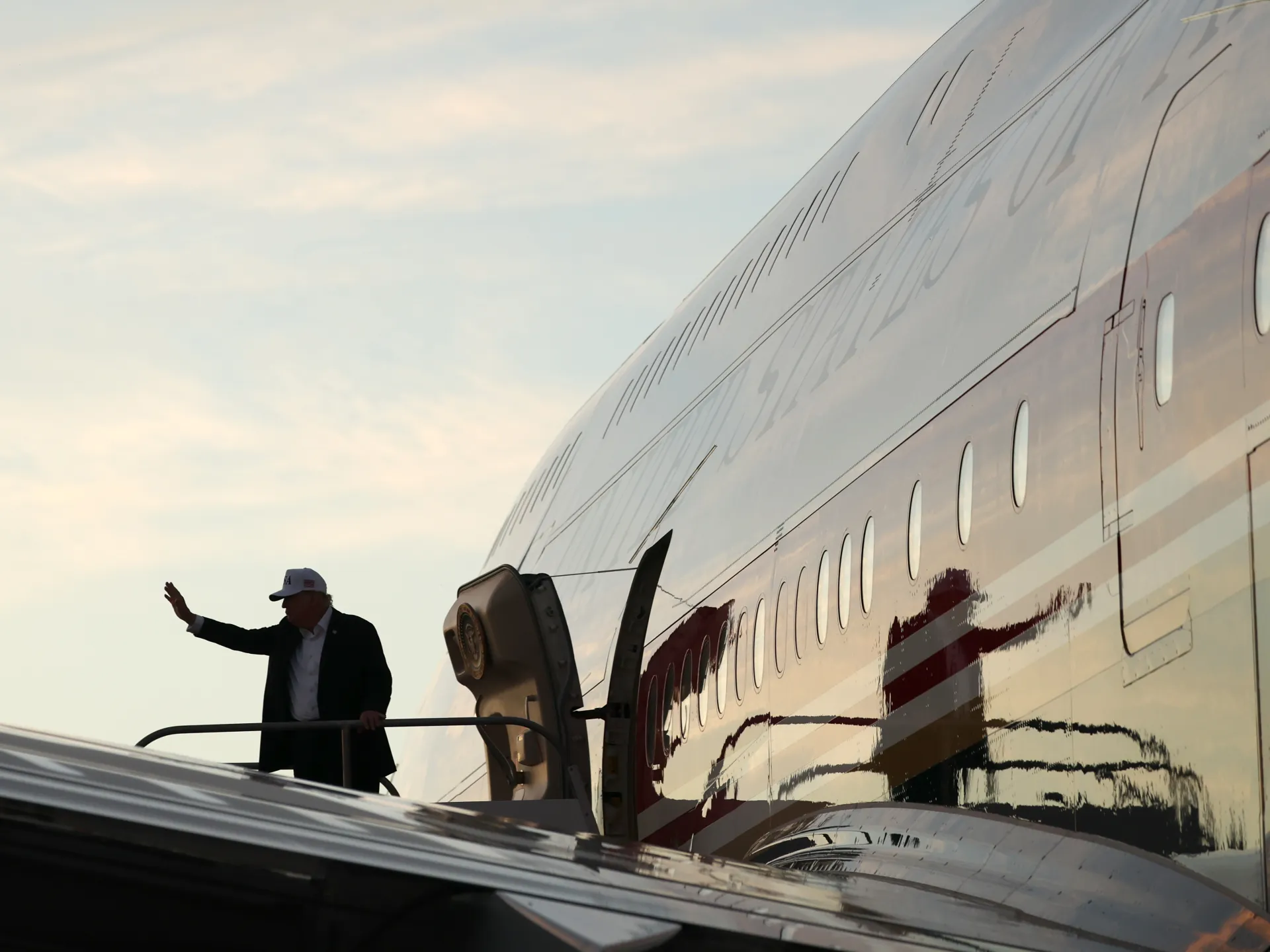
US President Donald Trump has declared that "friendly negotiations" are currently underway with Iran, expressing optimism that a resolution to the ongoing conflict is imminent. Speaking to reporters aboard Air Force One on Monday, the President stated there is a "good chance that something could happen," following a third consecutive day without exchanged strikes between the two nations. However, Trump issued a stern warning that if these diplomatic efforts fail, the United States will resume its previous military operations.
The pause in hostilities comes after nearly two weeks of renewed conflict that effectively unravelled a ceasefire established in June. Trump attributed the decision to halt strikes to requests from mediating countries, noting he agreed to give talks another chance. Despite these assertions, Tehran has firmly denied that direct negotiations are taking place, casting doubt on the administration's claims of imminent diplomatic progress.
The conflict was reignited on 13 July when Iranian forces attacked commercial tankers in the Strait of Hormuz, prompting Washington to resume air strikes and reinstate a naval blockade. The US military has stated that its objective is to degrade Iran's capacity to threaten commercial shipping in the region. The escalation has resulted in significant casualties, with Iranian health authorities reporting that US strikes have killed dozens of people, while Iranian attacks on US military facilities across the Middle East have killed four American soldiers.
Amidst the diplomatic uncertainty, market reactions have been swift. Oil prices fell by more than 9% to $87.59 a barrel on Monday, driven by hopes that the conflict could be de-escalated. The price drop reflects investor sentiment regarding the potential for a diplomatic solution, although the underlying tensions in the global energy route remain high.
Addressing reports that US ammunition stockpiles were running low after five months of fighting, Trump and White House spokesperson Anna Kelly dismissed such claims as inaccurate. Trump asserted that the military possesses "more than we could ever use," while Kelly confirmed that the US has "more than enough munitions, ammo, and stockpiles" to meet strategic goals. Both officials highlighted that equipment, specifically Patriot anti-ballistic missile systems, is currently being built and deployed, with the President urging defence contractors to continue producing weapons.
The current situation follows a complex timeline of military engagement and diplomatic attempts. Since the Iran war began in February, more than 600 US military service members have been injured. The initial ceasefire in June was intended to reopen the Strait of Hormuz and reach a broader agreement, but the July attacks on tankers led to a rapid resumption of hostilities. The US and Israel had launched their initial strikes against Iran on 28 February, leading to retaliatory missile and drone attacks on US bases and assets in Gulf states.
As the world watches for signs of a diplomatic breakthrough, the administration maintains a posture of military readiness alongside its diplomatic overtures. The White House continues to emphasise the strength of its military supply chain, even as the conflict remains unresolved and the potential for renewed strikes looms if negotiations collapse.