Trump Challenges Iran’s Stance on IAEA Inspections Amid Regional Tensions
The dispute over access for International Atomic Energy Agency monitors coincides with heightened military activity in the Strait of Hormuz and a recent legislative check on executive war powers.
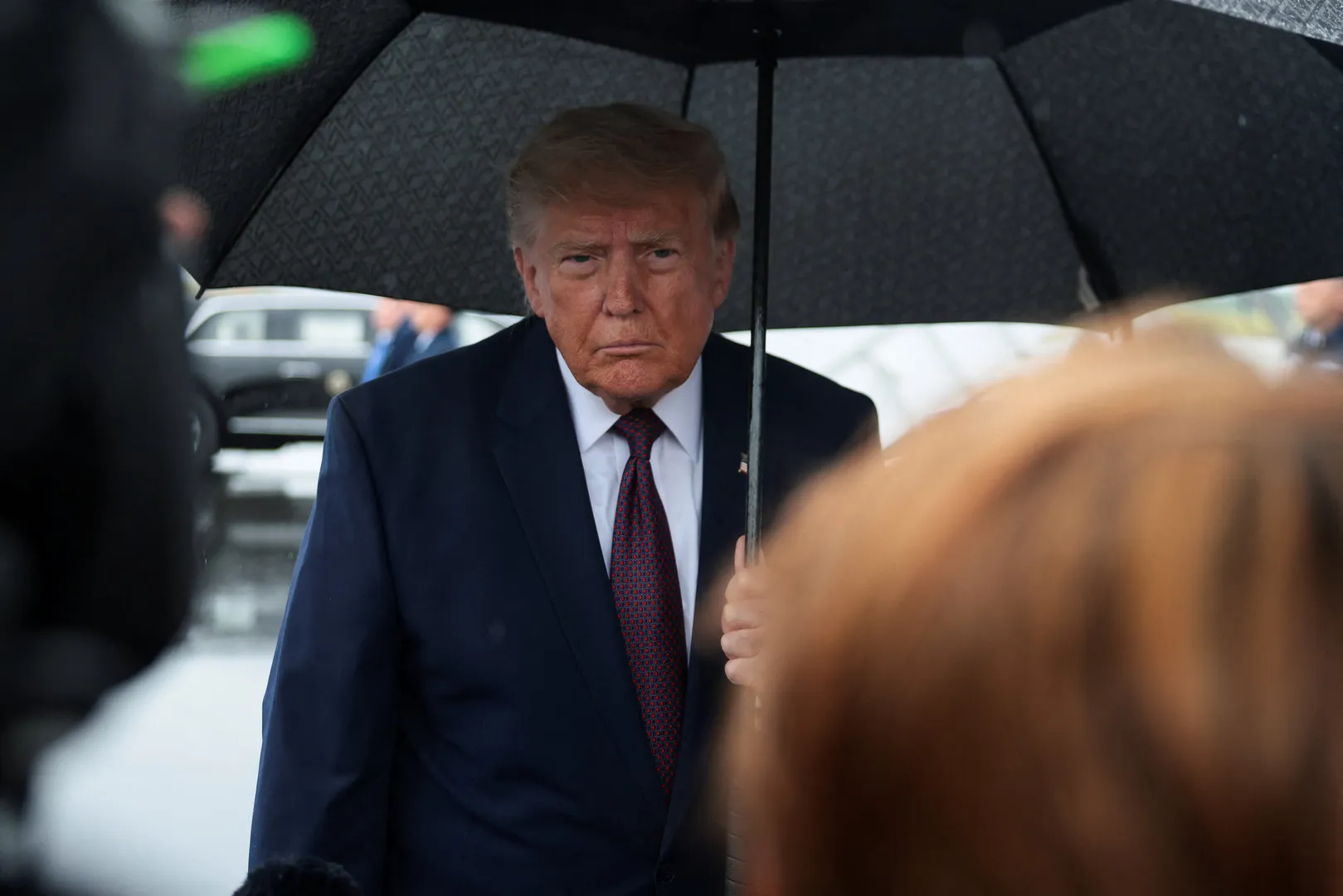
President Donald Trump has publicly challenged assertions made by Iran’s foreign ministry regarding the status of nuclear inspections. The US leader disputed claims that there are no current plans to allow International Atomic Energy Agency (IAEA) inspectors into the country, marking a direct contradiction to Tehran’s official position on the matter.
This diplomatic disagreement unfolds against a backdrop of escalating military hostilities in the region. Tensions have risen significantly following recent US airstrikes in southern Iran and subsequent Iranian strikes on vessels in the Strait of Hormuz. The strategic waterway has become a focal point of conflict, with Iran’s military command declaring the route closed and threatening to target any ship transiting the area.
In response to the Iranian declaration, US Central Command has denied that the Strait of Hormuz is closed, stating that commercial ships continue to transit the waterway. The conflicting narratives regarding the status of the strait highlight the volatile security environment in which these diplomatic statements are being made.
The dispute over nuclear inspections occurs as the US legislative branch moves to assert greater control over military engagement. The US Senate recently passed a resolution, by a 50-to-48 margin, to pause President Trump’s military campaign against Iran. The measure requires explicit congressional approval for any further military action, a step that had previously been approved by the House of Representatives.
While the specific timeline for potential inspections or the nature of Trump’s rebuttal remains undefined, the clash underscores the complex interplay between diplomatic posturing and military strategy. The situation involves key entities such as Iran’s Khatam al-Anbiya command and various international observers, all operating within a framework of heightened uncertainty and geopolitical risk.