Trump calls for federal intervention to halt New York pied-à-terre levy
Donald Trump has urged the federal government to block New York City’s pied-à-terre tax, describing the policy as a dangerous political experiment that threatens the economic stability of the city and state.
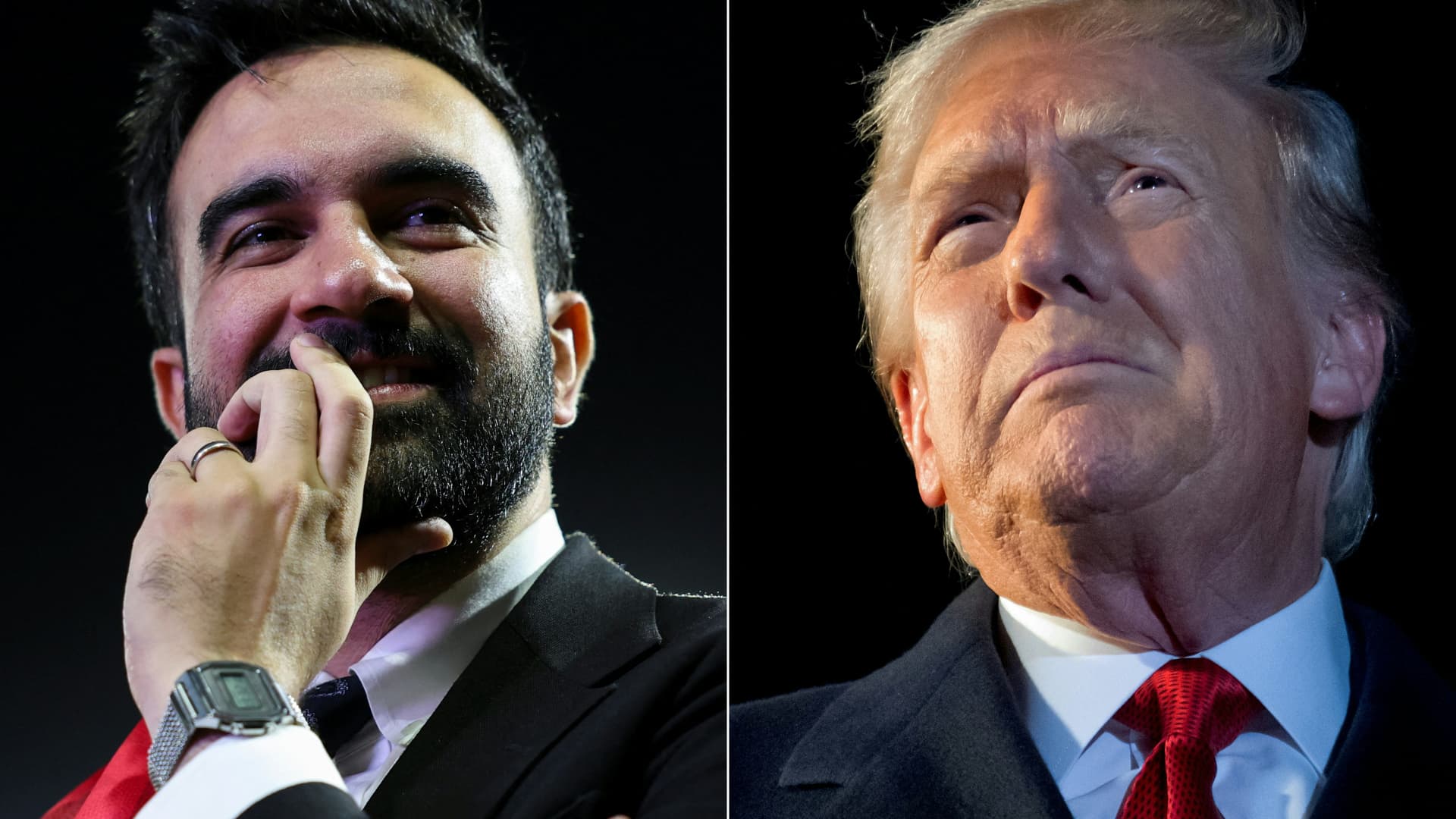
Donald Trump has called for a federal block on New York City’s pied-à-terre tax, intensifying political friction over municipal fiscal policy. In a post on Truth Social, the former US president characterised the levy, introduced by Mamdani, as a dangerous political experiment that he claimed would destroy the city and the state.
The pied-à-terre tax is a specific levy applied to secondary residences within New York City. Trump’s latest intervention marks a direct challenge to the local policy framework, with the former president suggesting that federal authorities should intervene to stop the implementation of the tax.
While Trump outlined his opposition to the measure, he did not detail the specific legal mechanisms or administrative processes through which a federal block might be enacted. The legal authority of the US federal government to override or block local municipal taxation remains an open question, with no established precedent cited in the source material for such an intervention.
The tax was introduced by Mamdani as part of New York City’s broader fiscal strategy. Trump’s comments on Truth Social framed the policy not merely as a disagreement over revenue generation, but as an existential threat to the region’s economic health, using strong language to describe the potential consequences of its adoption.
It remains unclear whether the federal government possesses the statutory power to nullify a local tax measure of this nature. Trump’s assertion that the tax will result in the destruction of the city and state is a political opinion rather than an established economic fact, reflecting the polarised nature of the debate surrounding the levy.
As the political rhetoric escalates, the focus remains on whether this call for federal action will translate into legal challenges or policy debates within Washington. For now, the pied-à-terre tax stands as a contentious point of divergence between local New York governance and national political figures.