Trump asserts Hormuz Strait open, demands Iranian compensation for war casualties
Donald Trump’s statements mark a shift in US rhetoric regarding the ongoing conflict, linking military outcomes to financial accountability.
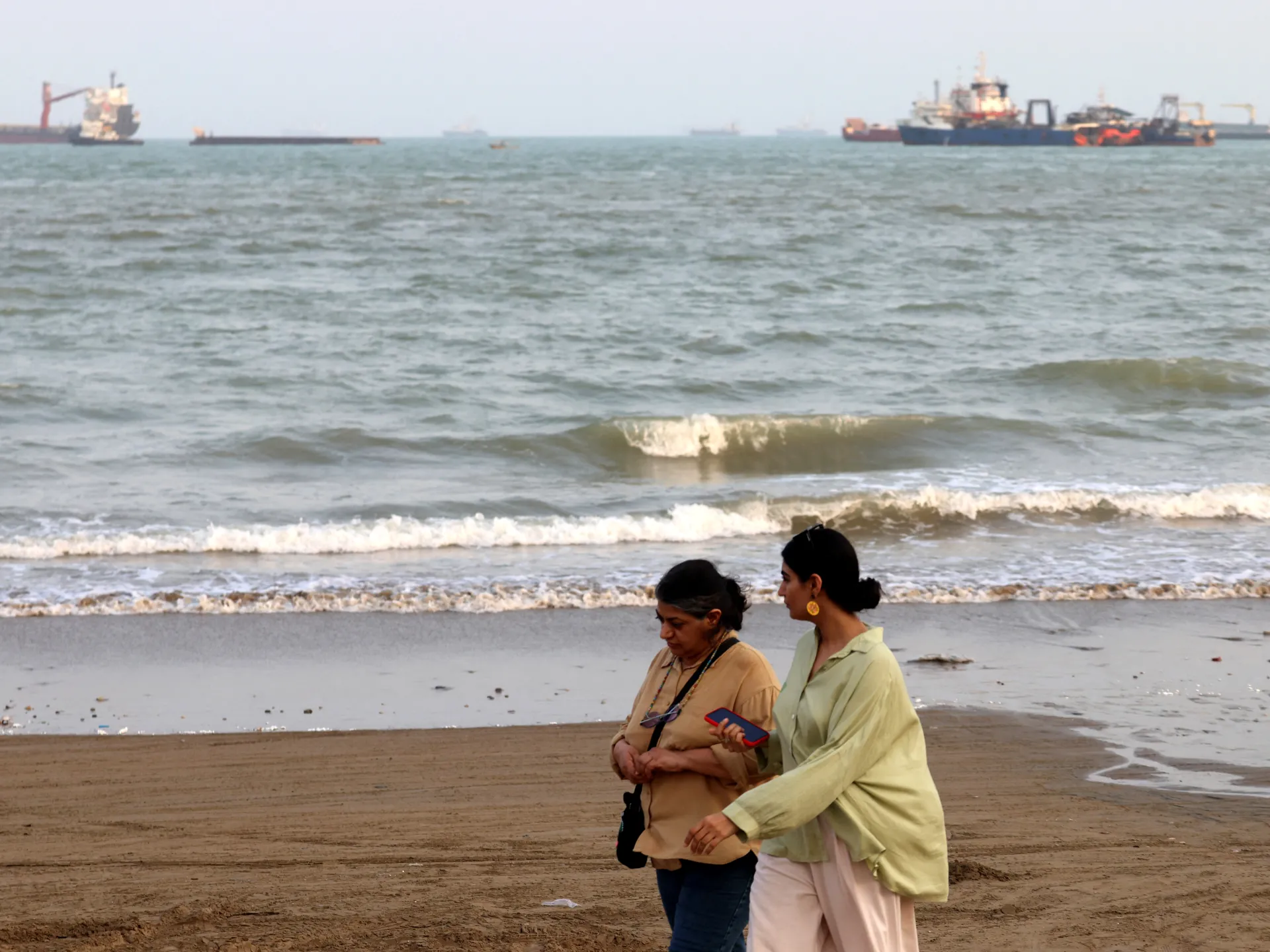
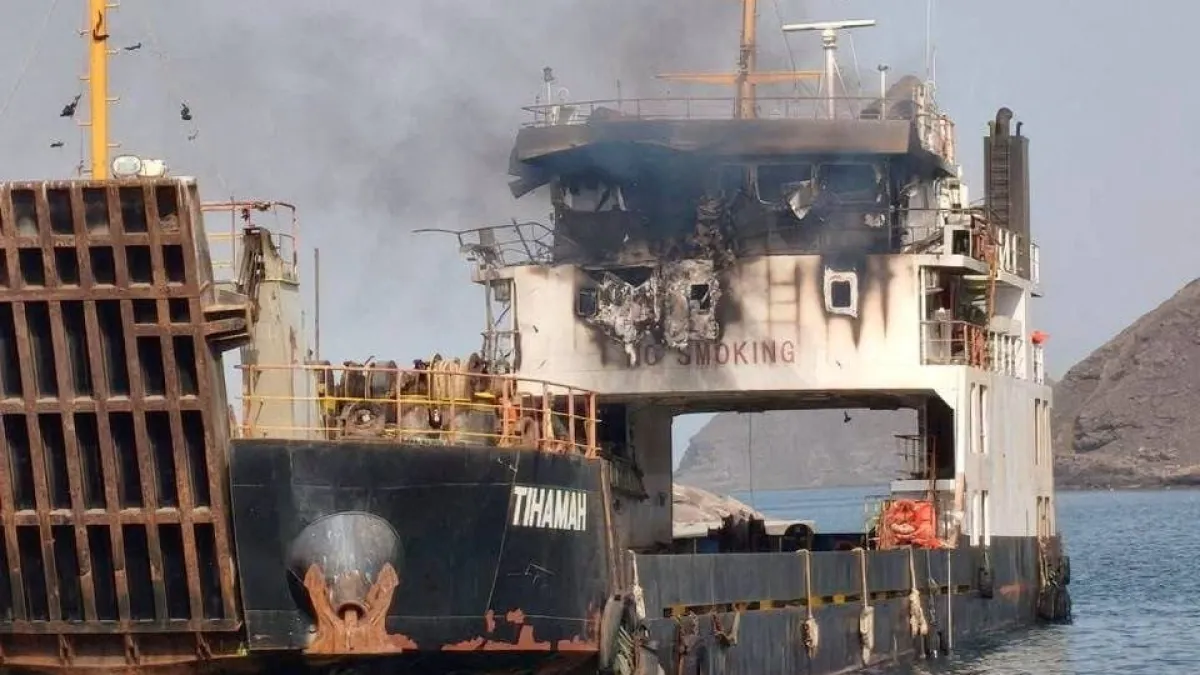
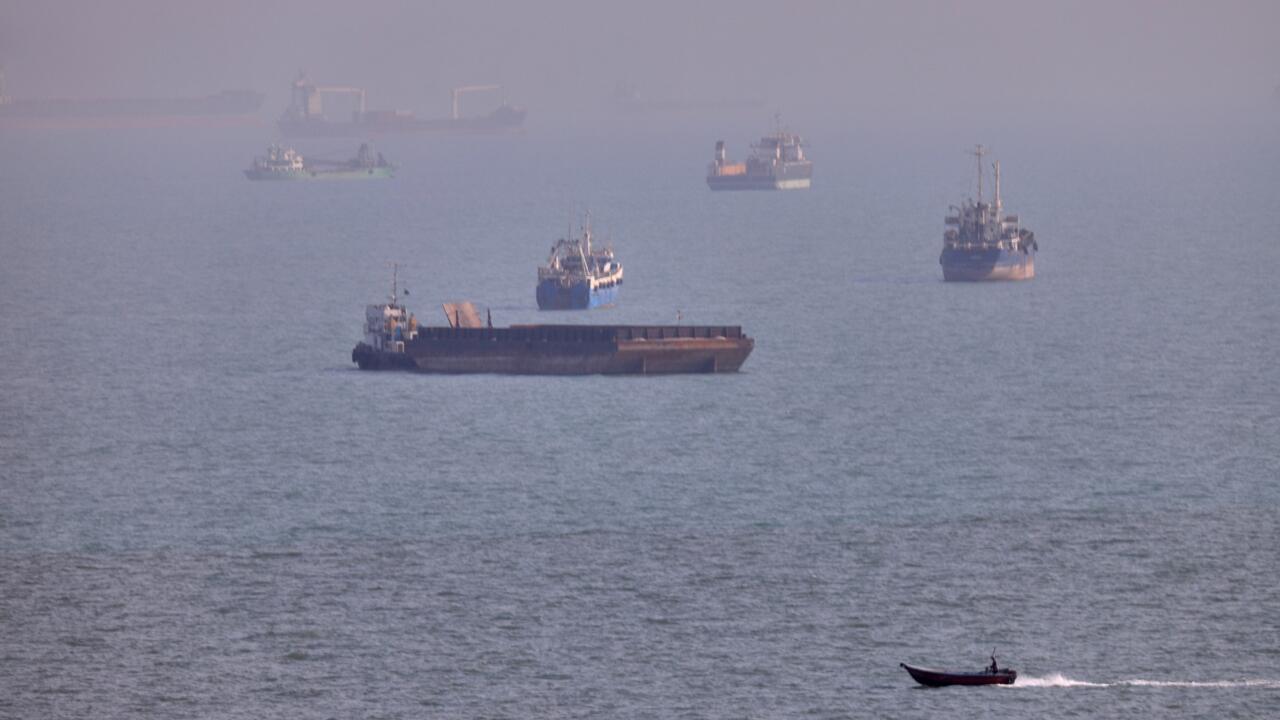
US President Donald Trump has declared that the Strait of Hormuz remains open, a statement that carries significant implications for global energy markets. The strait serves as a critical chokepoint for international oil supplies, and its operational status is a key indicator of stability in the region. Trump’s assertion regarding the waterway’s accessibility was made alongside broader comments on the conduct of the ongoing conflict.
In the same address, the President outlined the United States’ position on accountability for the human cost of the war. Trump stated that he intends to seek compensation from Iran for the casualties incurred during the hostilities. This demand frames the diplomatic and legal aftermath of the conflict in terms of financial reparation, positioning the United States as the aggrieved party seeking redress for losses suffered.
The claim that the Strait of Hormuz is open stands as a unilateral assertion by the US President. The provided source material does not include independent verification of the strait’s current operational status or the specific conditions allowing for its passage. Similarly, the details regarding the nature, extent, and attribution of the casualties cited by Trump are not specified in the available reporting.
References to "casualties in the war" are treated here as reported claims rather than independently established facts. The term "war" implies a state of active conflict between the United States and Iran, though the specific legal basis for the compensation demand and the precise metrics for calculating such damages remain undefined in the current record.
This development marks a notable phase in the geopolitical tensions between Washington and Tehran. By linking the reopening of a strategic maritime route to demands for financial compensation, the US administration is signalling a dual approach to the conflict: asserting control over critical infrastructure while pursuing economic penalties for perceived harms.