Trump asserts diplomatic control over Israel’s Iran strategy amid ceasefire tensions
Washington signals it will dictate the pace of de-escalation between Israel and Iran, overriding Israeli incentives for military retaliation following recent hostilities in Lebanon.
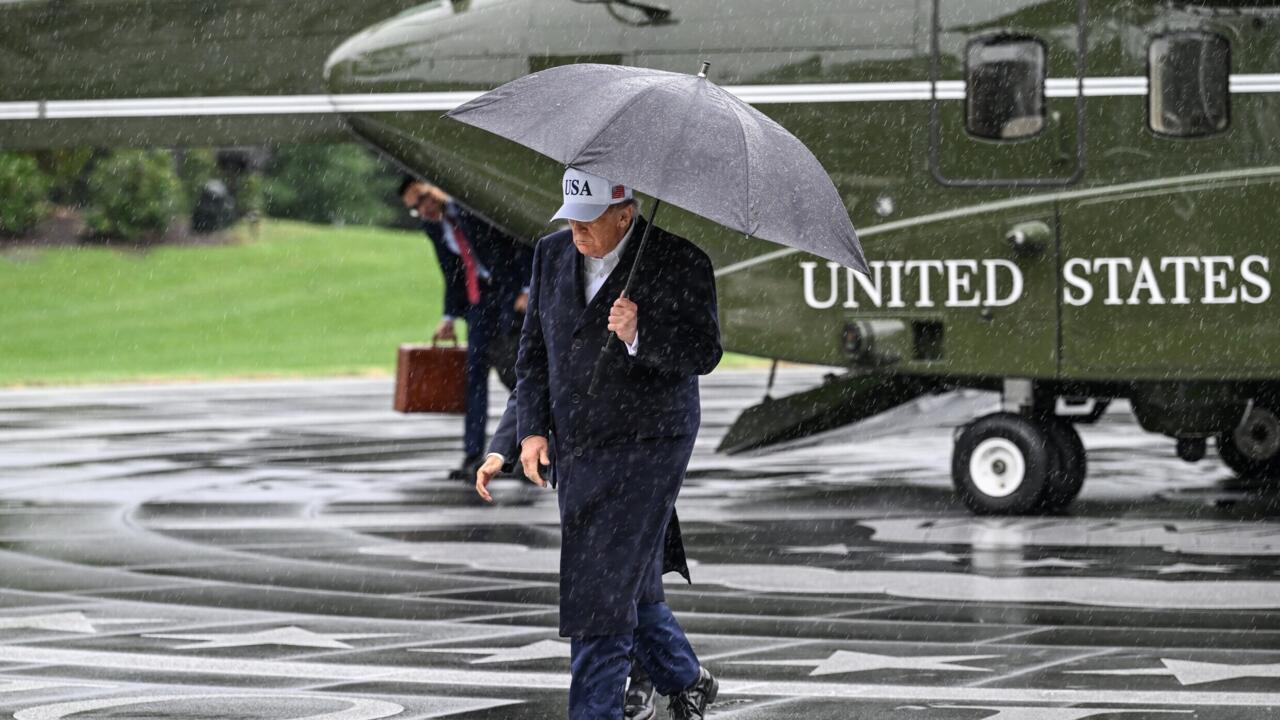
US President Donald Trump has moved to constrain Israeli Prime Minister Benjamin Netanyahu’s capacity to escalate tensions with Iran, asserting that Washington holds the decisive authority over the crisis. In an interview with the Financial Times broadcast on Sunday, Trump stated he "calls the shots" regarding the unfolding situation and urged the Israeli leader to refrain from retaliatory military actions against Tehran.
The President indicated that Netanyahu faces significant diplomatic pressure, telling the publication that the Israeli prime minister would have "no alternative but to accept a diplomatic agreement with Iran." This intervention suggests a shift in the strategic dynamic, where US diplomatic leverage is being used to override Israeli incentives to pursue further military escalation against its regional adversary.
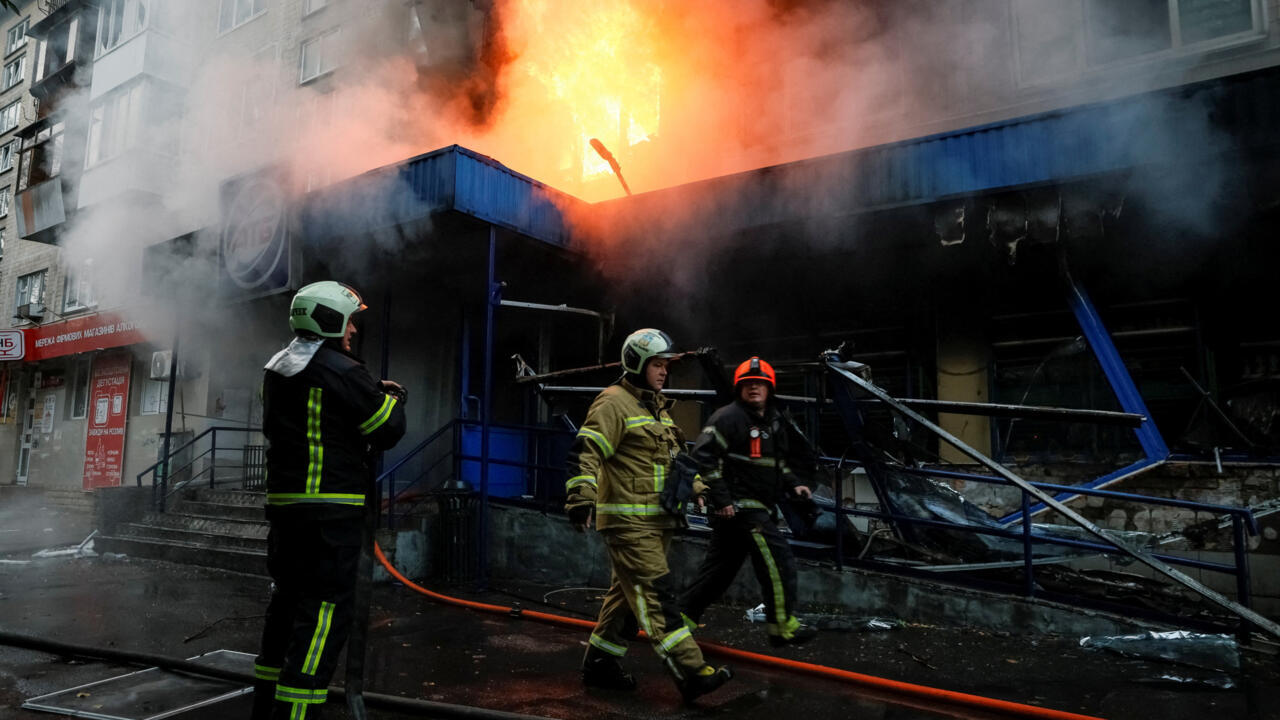
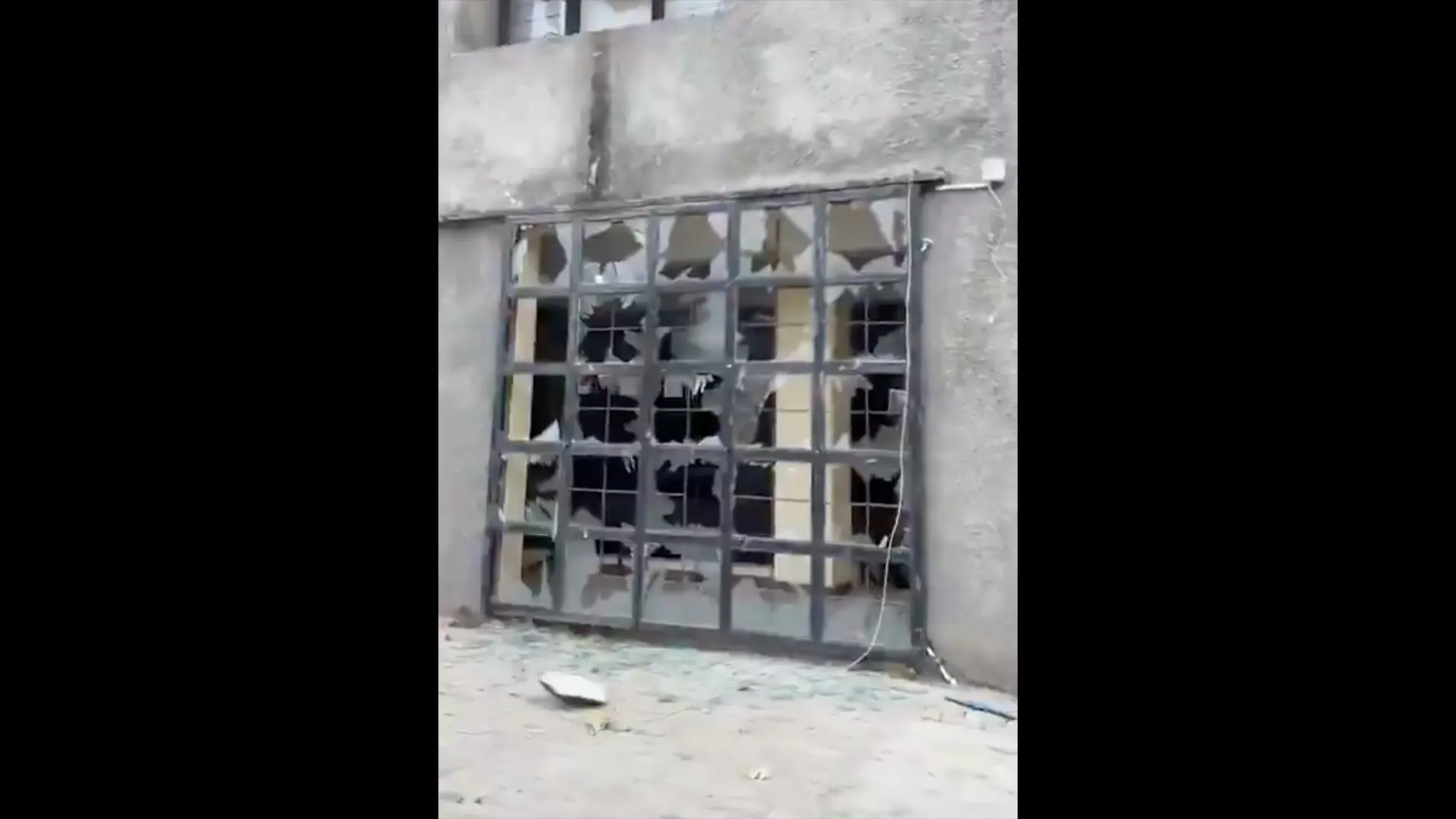
Trump’s comments come against the backdrop of a fragile ceasefire established between Iran and Israel in early April 2026. The truce has been tested by recent hostilities, including an Israeli attack on Beirut’s southern suburbs in late May 2026, which resulted in two deaths and 20 injuries. The instability has prompted diplomatic engagement from Tehran, with Iranian Foreign Minister Abbas Araghchi holding discussions with counterparts in Britain, France, Turkey, Qatar, and Pakistan regarding alleged ceasefire violations.
While Trump previously campaigned on a platform of avoiding new conflicts, his stance has evolved as regional tensions persist. In a media interview on 8 June 2026, the President clarified that he does not guarantee the avoidance of war regarding potential military operations against Iran. This clarification marks a departure from his earlier election pledges to prevent the initiation of new wars, acknowledging the complex realities of the current security environment.
The US position appears designed to limit unilateral Israeli action while maintaining pressure for a negotiated settlement. Although the specific terms of the expected diplomatic agreement were not detailed, Trump’s assertion of control signals that Washington intends to manage the timeline and nature of any resolution. The extent to which Netanyahu will comply with these constraints remains unclear, particularly given the domestic and regional pressures facing the Israeli government.
Iranian officials, including those associated with the Islamic Revolutionary Guard Corps, continue to monitor the situation closely. Key locations such as Tehran, Tabriz, and Isfahan remain focal points of strategic interest. As diplomatic channels remain active, the international community watches to see whether US pressure can successfully curb Israeli military options and stabilise the region.