Trump and Xi meet in Beijing as Iran conflict reshapes global energy markets
Analysts predict limited progress on trade and technology as Washington and Beijing navigate incompatible demands from Washington and Tehran.
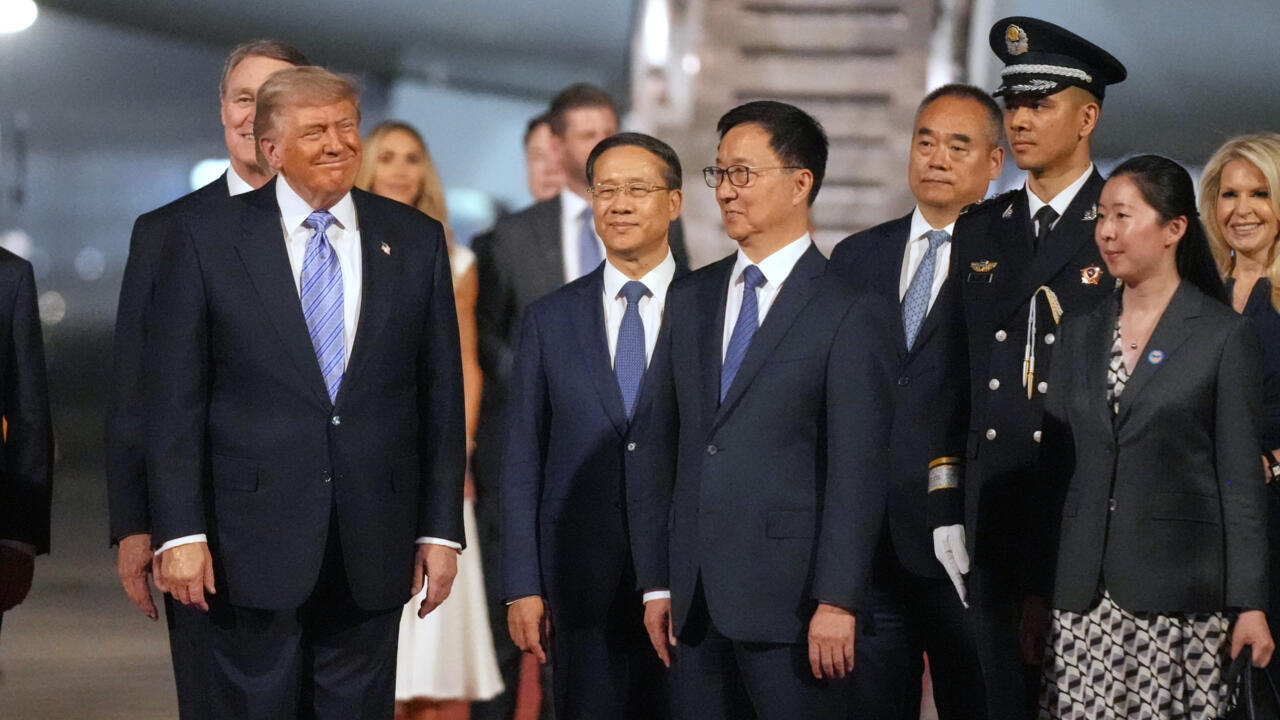
US President Donald Trump and Chinese President Xi Jinping commenced a high-stakes summit in Beijing on Thursday, marking the first visit by a US president to the Chinese capital in nine years. The diplomatic engagement is overshadowed by the ongoing US-Israeli war with Iran, which began in late February, and the resulting geopolitical realignment across the Middle East. While Trump is seeking Chinese assistance to help resolve the conflict, particularly regarding Iran’s control of the Strait of Hormuz, analysts anticipate few breakthroughs on divisive issues including trade, technology, and Taiwan.
The conflict has severely disrupted global energy markets, with the International Energy Agency forecasting a supply shortfall of 3.9 million barrels per day in 2026. More than 1 billion barrels of Middle East supply have already been lost due to the war. Iran has tightened its grip on the Strait of Hormuz, a vital waterway that previously handled one-fifth of the world's oil supply. Iranian officials have signalled that control of the strait is a long-term strategic goal, with an army spokesperson stating that supervision of the passage could generate revenue amounting to twice Iran's oil income.
Diplomatic efforts to end the war have stalled due to incompatible demands from Washington and Tehran. Washington has called for Tehran to scrap its nuclear program and lift its hold on the strait, while Iran has demanded compensation for war damage, an end to the US blockade of Iranian ports, and a halt to fighting on all fronts, including in Lebanon. Trump has dismissed Iran's positions as "garbage," although Vice President JD Vance stated that the administration believes progress is being made in negotiations.
Secretary of State Marco Rubio indicated that Washington hopes to convince China to play a more active role in ending the war with Iran. Speaking on board Air Force One en route to China, Rubio warned that any support for Iran would be detrimental to the US-China relationship. The Trump administration stated that senior US and Chinese officials had agreed last month that no country should be able to charge tolls on traffic through the region, an effort to project consensus ahead of the summit.
China, a major buyer of Iranian oil, has not disputed the account of the agreement. Ship-tracking data showed that a Chinese supertanker carrying 2 million barrels of Iraqi crude sailed through the Strait of Hormuz on Wednesday, marking the third known passage by a Chinese oil tanker since the strikes began. Other countries are reportedly exploring shipping arrangements similar to Tehran's deals with Iraq and Pakistan, potentially entrenching Iranian control over the waterway.