Trump and Rubio signal potential military intervention in Cuba amid security crisis
Washington cites national security risks linked to China and Russia, while Havana warns of a bloodbath and China opposes external interference.
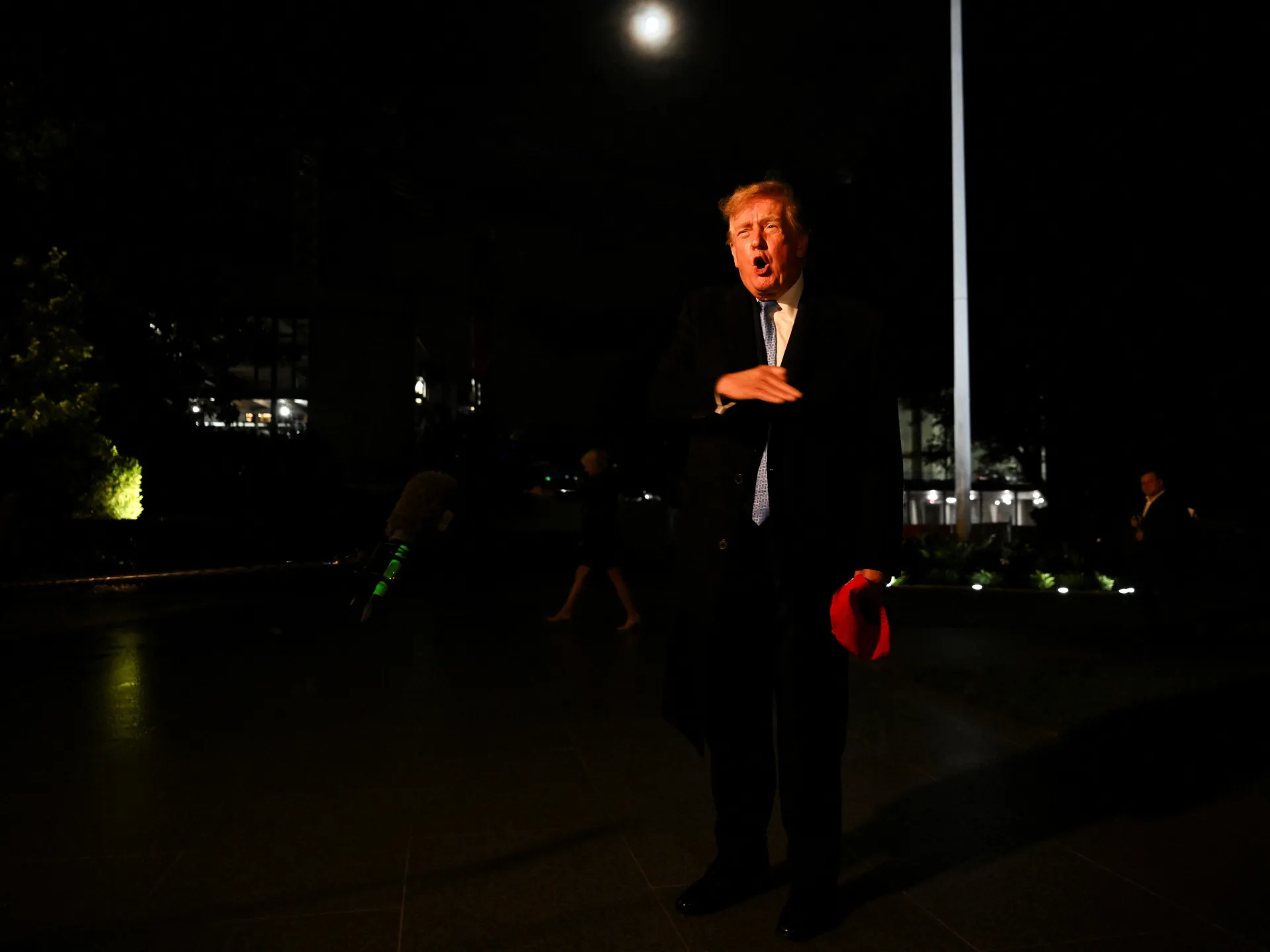
US President Donald Trump and Secretary of State Marco Rubio have renewed suggestions of possible military intervention in Cuba, with Trump stating he may be the president to pursue such action. The comments followed criminal charges filed against former Cuban leader Raúl Castro for the 1996 shootdown of civilian planes flown by Miami-based exiles. Rubio expressed doubt that a diplomatic resolution was likely with the current government, citing national security risks linked to China and Russia. Cuban President Miguel Díaz-Canel condemned the indictment as a pretext for aggression. The US military deployed the USS Nimitz aircraft carrier to the Caribbean, citing joint maritime exercises.
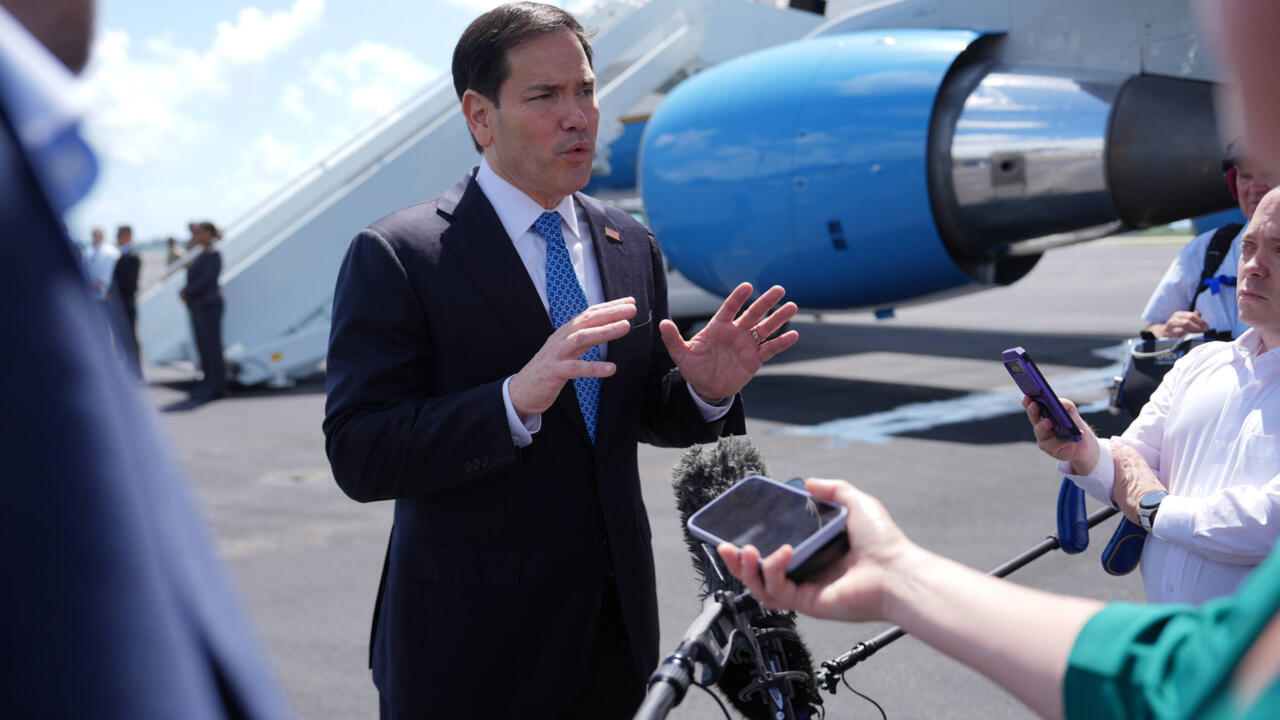
During an Oval Office event, Trump noted that while previous US presidents had considered intervention for 50 to 60 years, "it looks like I’ll be the one that does it" and that he would be "happy to do it." Rubio, speaking in Miami before attending a NATO meeting in Sweden and a visit to India, reiterated that while a peaceful negotiated agreement remains the preference, the likelihood of success is "not high" given the current leadership in Havana.
Federal prosecutors unveiled an indictment accusing Raúl Castro of ordering the 1996 shootdown, including charges of murder and destruction of an airplane. The charges were secretly filed by a grand jury in April. Top Trump aides, including CIA chief John Ratcliffe, had met with Cuban officials in recent months to explore improved relations but came away "unimpressed," leading to new sanctions imposed on the Cuban government in the past week.
Rubio pushed back on characterisations of US actions as "nation-building," insisting the focus is on addressing a national security risk. He stated that Cuba has been a national security threat for years due to its ties to US adversaries and that the administration is serious about not allowing Havana to "buy time." The US Treasury recently imposed sanctions on Cuba’s main intelligence agency, nine Cuban nationals, and several top Communist Party officials and generals.
Cuban President Miguel Díaz-Canel condemned the indictment as a political stunt designed to justify potential military aggression and warned of a "bloodbath" should the US attack. Meanwhile, Chinese Foreign Ministry spokesperson Guo Jiakun stated that China firmly supports Cuba in safeguarding its national sovereignty and opposes external interference. The US military touted the arrival of the USS Nimitz aircraft carrier and accompanying ships to the Caribbean Sea on the same day the charges against Castro were announced.