Trump administration seeks $1bn for White House ballroom citing security threats
Acting Attorney General Todd Blanche argues that national security imperatives override a federal injunction, despite Republican opposition to taxpayer funding and ongoing legal challenges regarding transparency.
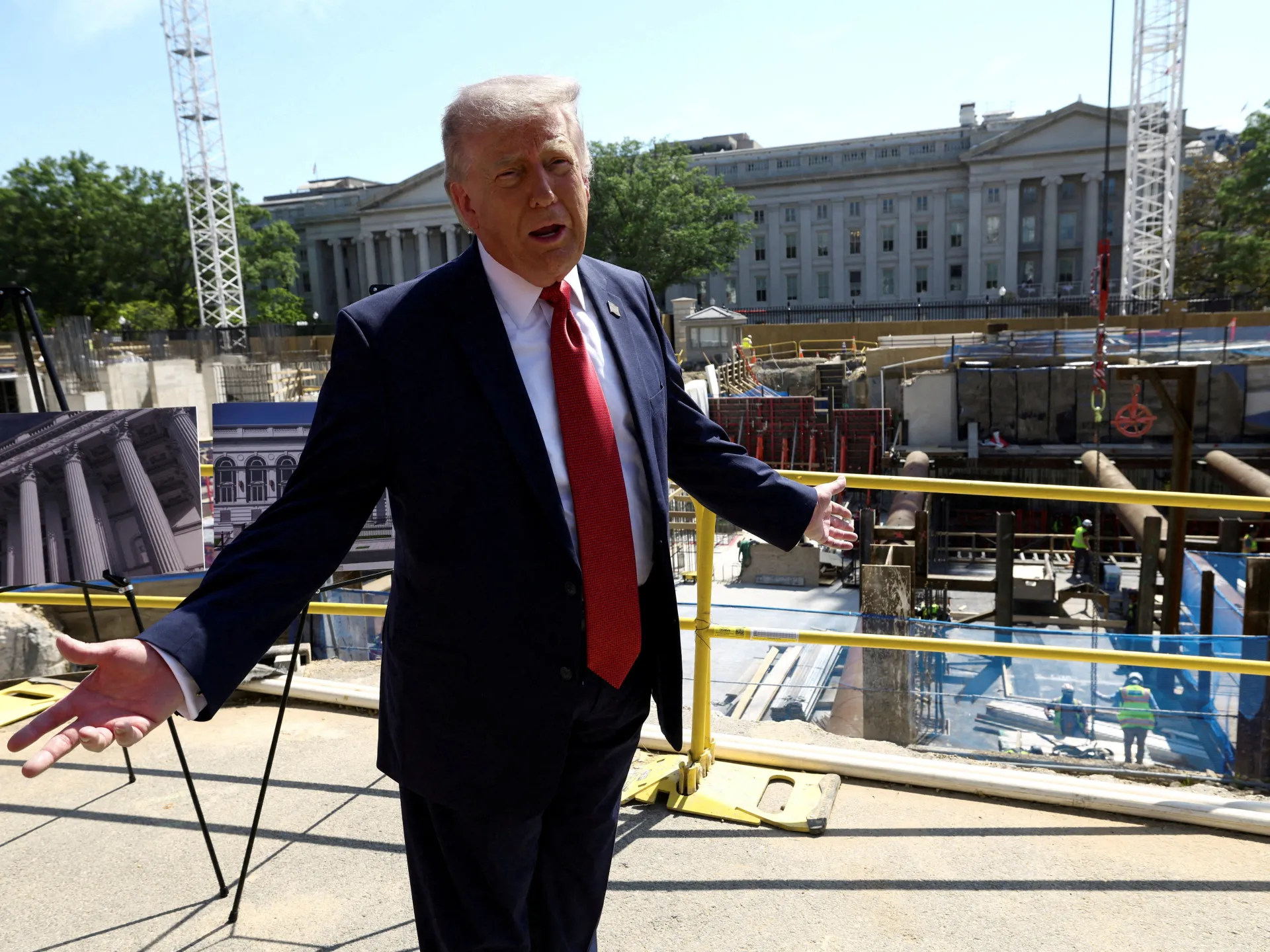
The Trump administration has renewed its legal push to overturn a federal court injunction blocking construction of a new White House ballroom, arguing that recent acts of gun violence necessitate urgent security upgrades. Acting Attorney General Todd Blanche filed a court submission on Sunday asserting that the project, now estimated to cost nearly $1bn in taxpayer funds, is essential for national security following a shooting at a White House checkpoint and a breach attempt at the White House Correspondents’ Dinner.
Blanche characterised the lawsuit pausing construction as “terrible” and “tremendously harmful” to the United States. He cited two specific incidents as evidence of escalating threats to President Trump’s life: a shooting at a security checkpoint on Saturday involving suspect Nasire Best, which injured one bystander and resulted in Best’s death, and a breach attempt at the Correspondents’ Dinner on April 25 by Cole Tomas Allen, who was taken into custody after an exchange of gunfire.
The scope of the project has expanded significantly beyond its initial conception. New details revealed in the filing describe six floors of subterranean facilities, including a military hospital, bomb shelters, Top Secret military installations, a major drone port, and government sniper facilities on the roof. The estimated cost has risen from an initial $200m to $400m, and now includes a request for $1bn in taxpayer funds, despite Trump’s previous claims that the project would be funded by private donations.
The request faces significant political and legal opposition. Republican senators recently agreed to drop a provision adding $1bn for the ballroom to an immigration enforcement funding bill, citing concerns over the expense and the loss of budget reconciliation privileges. A federal judge, Richard Leon, previously ruled that construction must cease without congressional approval, stating that “bald assertions of ‘national security’” would not bypass the law.
Critics, including the National Trust for Historic Preservation, allege the project lacks transparency, environmental assessment, and proper legal oversight. The trust’s complaint argues that the administration demolished the White House’s East Wing without adequate public review or approval from the National Capital Planning Commission. The project is slated for completion in September 2028, shortly before Trump’s term expires in January 2029.