Trump administration reimposes sweeping tariffs on 60 trade partners as global duties expire
The move marks a resumption of tariff enforcement following legal setbacks earlier this year, coinciding with a high-stakes diplomatic summit in Beijing.
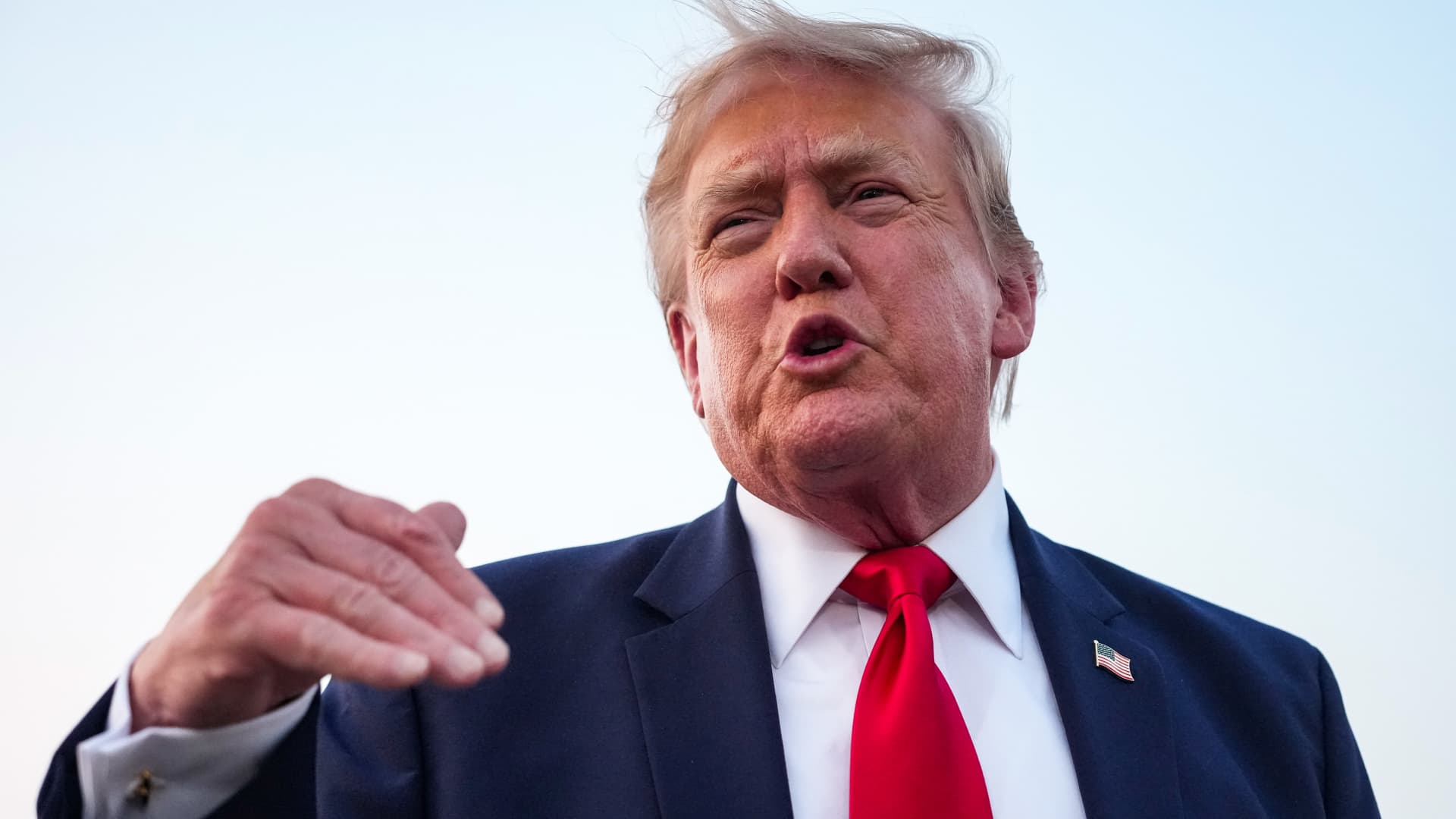
The Trump administration has implemented sweeping new tariffs on 60 trade partners, a move that coincides with the expiration of existing global duties. According to a report by CNBC, this action signals a significant resumption of tariff enforcement efforts by the White House. The policy shift comes after the president’s broader trade agenda encountered substantial legal setbacks earlier in the year, prompting a renewed push to utilise tariff mechanisms as a primary tool of economic statecraft.
The announcement was released against the backdrop of a critical diplomatic engagement in Beijing, where US President Donald Trump is holding a two-day summit with Chinese President Xi Jinping. This meeting marks the first visit by a US president to China since 2017. The agenda for the summit is broad, covering trade relations, artificial intelligence cooperation, and rising tensions in the Strait of Hormuz. The timing of the tariff announcement underscores the complex interplay between aggressive trade policy and high-level diplomatic negotiations.
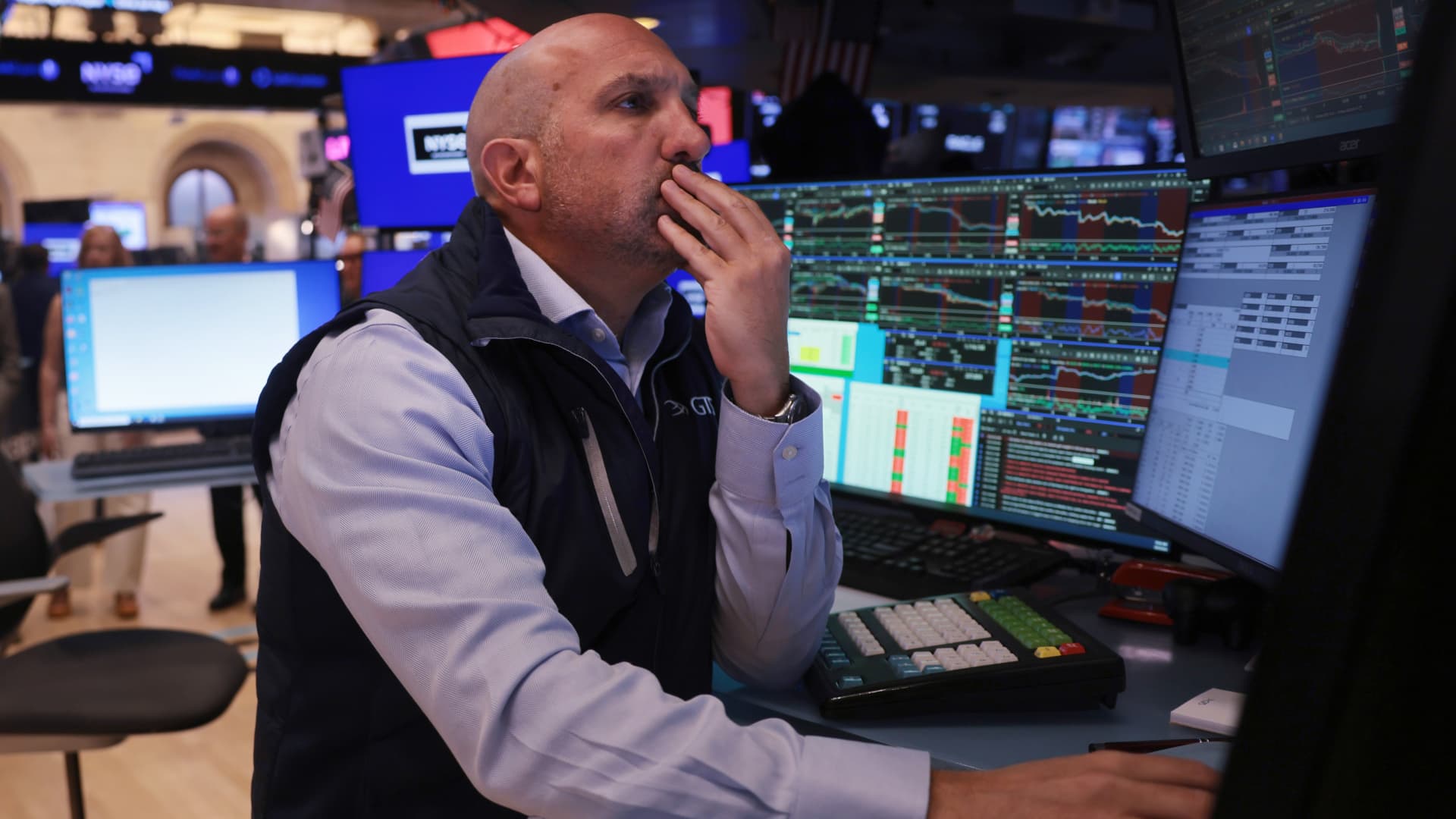
Financial markets responded positively to the day’s developments, with US indices closing higher despite the introduction of new trade barriers. The Dow Jones Industrial Average gained 0.8 per cent, while the S&P 500 rose 0.3 per cent and the Nasdaq Composite climbed 0.2 per cent. The market rally appeared driven by broader geopolitical and corporate news rather than the tariffs themselves, suggesting investors were weighing the new duties against other positive catalysts.
A significant driver of the market’s positive sentiment was the US approval of H200 chip sales to Chinese firms. Following the news, Nvidia shares surged more than 2 per cent, reflecting investor optimism regarding continued access to the Chinese market for semiconductor manufacturers. This approval highlights a nuanced approach to trade, where specific sectoral exemptions or approvals can coexist with broader tariff regimes.
The summit in Beijing is attended by key figures from the technology sector, including Elon Musk, Tim Cook, and Jensen Huang. Their presence indicates the high stakes involved in balancing trade restrictions with the operational needs of global tech giants. Meanwhile, broader geopolitical tensions remain a factor, with recent incidents involving US helicopters in the Strait of Hormuz adding a layer of uncertainty to the global economic landscape. The administration’s ability to navigate these intersecting pressures will likely define the trajectory of US trade policy in the coming months.