Trump Administration Grants Air Quality Exemptions to Major Polluters via Email Process
The move, communicated through presidential proclamations, covers coal plants, chemical manufacturers, and refineries, drawing criticism from environmental groups who argue it undermines public health standards and legal precedents.
In March 2025, the Trump administration exercised authority under the Clean Air Act to grant exemptions to more than 180 industrial facilities across 38 states and Puerto Rico. The decision provided a two-year reprieve from federal regulations for major polluters, including coal-fired power plants, chemical manufacturers, and petroleum refineries. This action marks a significant shift in how environmental compliance is managed, with the administration citing national security and economic concerns as the primary drivers.
The process required only an email request sent to a dedicated inbox, a method that bypassed rigorous EPA review or scientific input. Decisions were communicated via presidential proclamations, with the White House stating that EPA scientists did not seek input on the determinations. The administration argued that complying with existing rules would shut down critical industries due to a lack of available technology, specifically citing the need for electricity for emerging sectors such as artificial intelligence.
Approximately 250,000 people live within a mile of the exempted facilities, according to data collected by the Environmental Defense Fund. Demographic analysis indicates that about 54% of these residents are non-white, compared to 43% of the national population. More than 70 of the exempted facilities had faced formal enforcement action by the EPA in the five years prior to the exemptions, raising questions about the necessity of the regulatory relief.
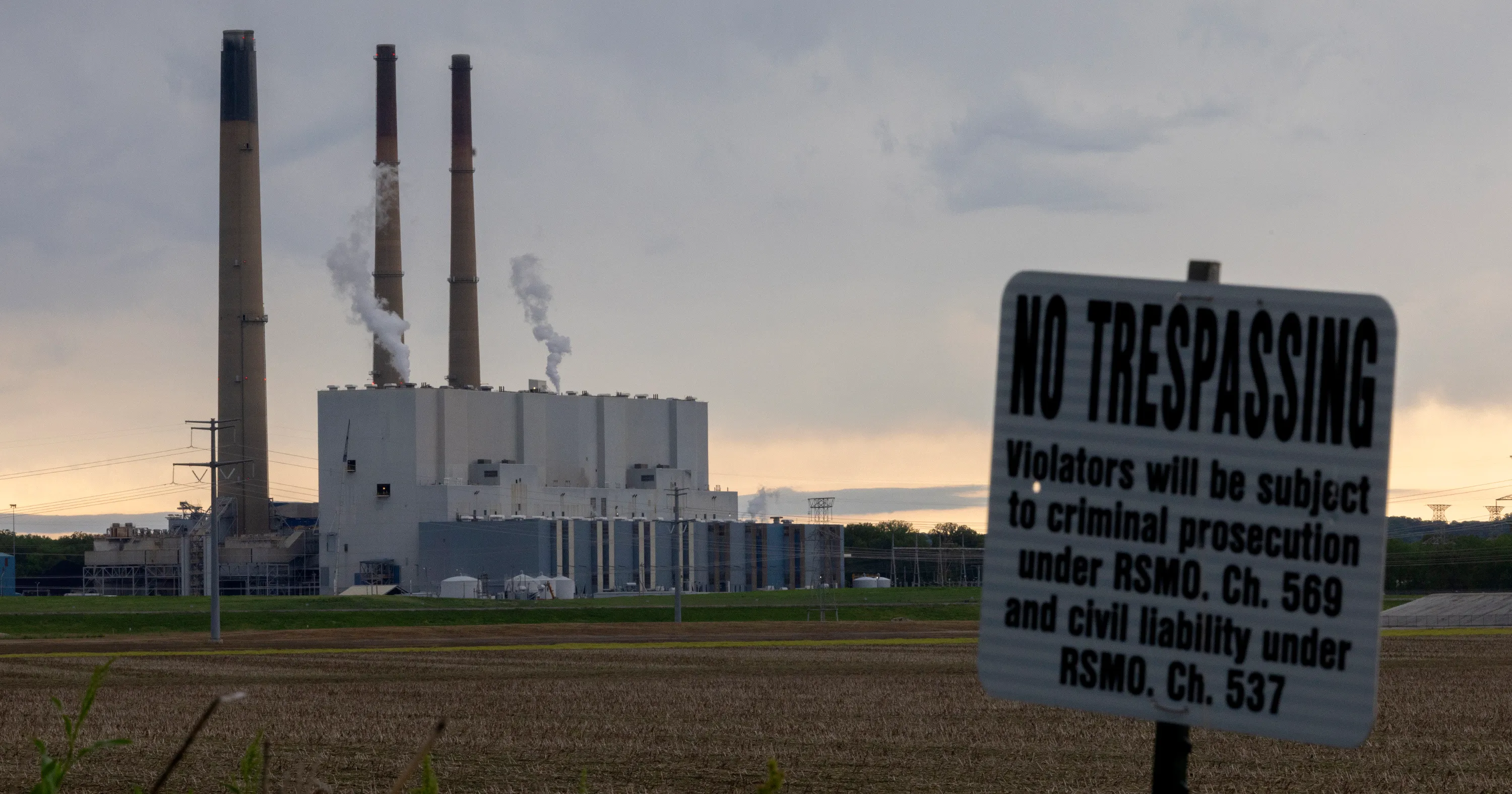
Specific exemptions were granted to major entities, including Freeport-McMoRan's copper smelter in Arizona, Formosa Plastics in Louisiana, and Ameren Corp.'s Labadie Energy Center in Missouri. The administration has also formalised the rollback of the Mercury and Air Toxics Standards, effectively making exemptions for coal plants permanent. This approach contrasts with previous rules under the Act, which mandated lower emissions or better monitoring for specific industries, with updates finalised in 2024 for copper smelters and other sectors.
Environmental groups and community organisations have sued the administration five times to halt the exemptions, arguing the action is illegal and undermines public health. A coalition of 12 organisations has labelled the move an illegal scheme, while critics contend that the justifications provided by the White House do not hold up to scrutiny. The administration's stance relies on two standards in the Clean Air Act: that the industry must be integral to national security and that the technology needed to meet EPA requirements must be unavailable.
In response to the exemptions, Senators Sheldon Whitehouse and Adam Schiff introduced a bill seeking to require congressional consent before the president can grant such pauses to Clean Air Act compliance. The Clean Air Act remains the bedrock environmental law in the US, estimated to have prevented thousands of premature deaths, yet this unilateral decision by the president continues to face legal and public health challenges.