Trump administration advances Cold War plutonium deal with nuclear start-ups
The US government has selected five companies, including Newcleo and Oklo, to negotiate access to 99 tons of military-grade plutonium for small modular reactors, drawing sharp criticism from experts over safety, proliferation risks, and political motives.
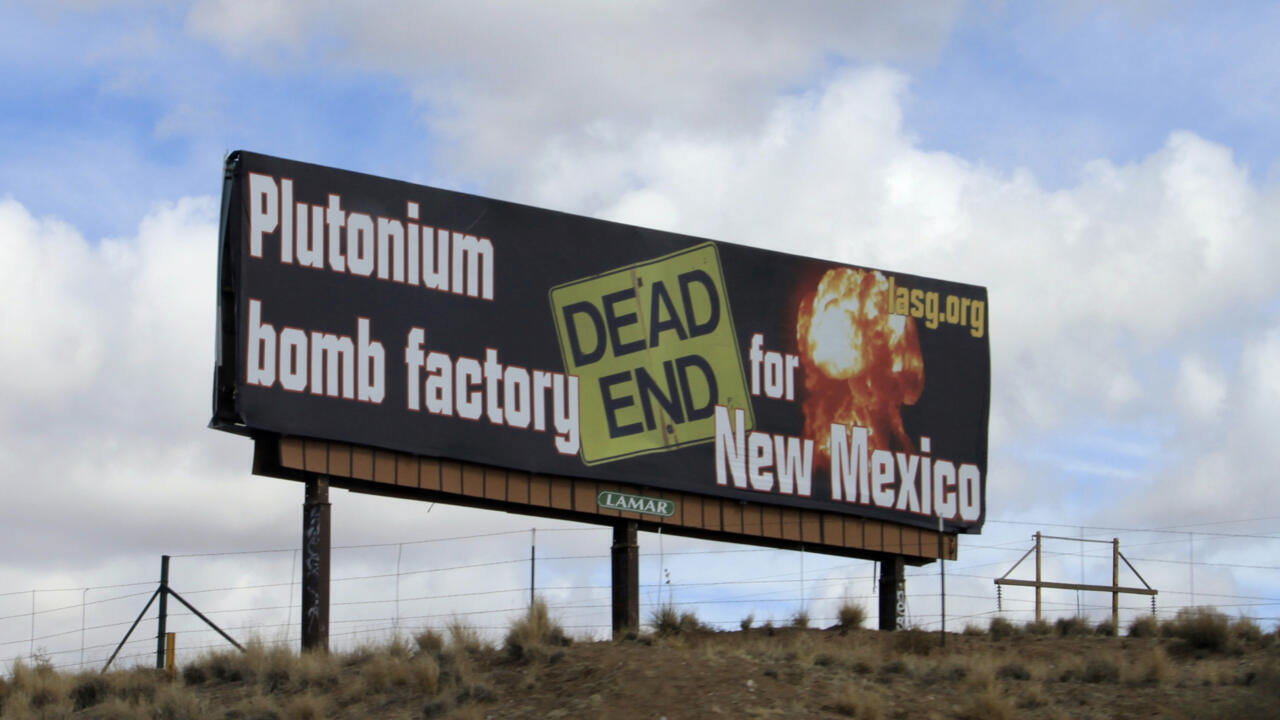
The Trump administration has selected five nuclear start-ups to enter advanced negotiations for access to approximately 99 tons of military-grade plutonium stockpiles inherited from the Cold War. The initiative, which aims to repurpose material produced until the early 1990s as fuel for small modular reactors, marks a significant policy reversal from previous administrations that sought to abandon or bury these stockpiles.
Among the selected entities is the Franco-Italian specialist Newcleo, alongside Oklo, a company that has become the focal point of political scrutiny. The plan involves granting these private firms the right to tap into highly secure US facilities to handle the radioactive material, a move driven by the administration’s desire to meet the energy demands of the artificial intelligence industry and reduce reliance on Russian enriched uranium following the 2022 invasion of Ukraine.
Non-proliferation experts have expressed alarm at the proposal, citing significant safety and security risks. Noah Mayhew of the Vienna Center for Disarmament and Non-Proliferation noted that while storage costs money, the current stockpiles are stationary and secure. Allowing private companies access would increase transport routes and the number of personnel handling the material, heightening the risk of loss or theft. Experts also warn that separated plutonium is easier to process for weapons than enriched uranium, with a critical mass estimated to be roughly the size of a melon.
The move also raises serious questions regarding conflicts of interest. Democratic Senator Edward Markey sent a letter to President Donald Trump in September 2025 expressing concern that US Energy Secretary Chris Wright, a former board member of Oklo, is advancing plans that primarily benefit his former employer. Markey alleged that the administration may be prioritising financial gains for Oklo over national security interests, suggesting the project could serve as a public relations stunt to help start-ups raise investor funds.
Technical and geopolitical scepticism remains high among specialists. Physicist Moritz Kütt highlighted that converting plutonium into usable reactor fuel is extremely costly and time-consuming, potentially taking decades to produce the first kilowatt-hour. Furthermore, Chris Spedding from the University of Leicester warned that the policy sends a negative signal globally, potentially encouraging other nations to pursue similar plutonium programmes under the guise of energy security.