Treasury doubles long-term bond buybacks to $4 billion per operation
The US Treasury has doubled its buyback programme for long-dated securities in an effort to curb rising borrowing costs, a move that may complicate the Federal Reserve’s monetary policy.
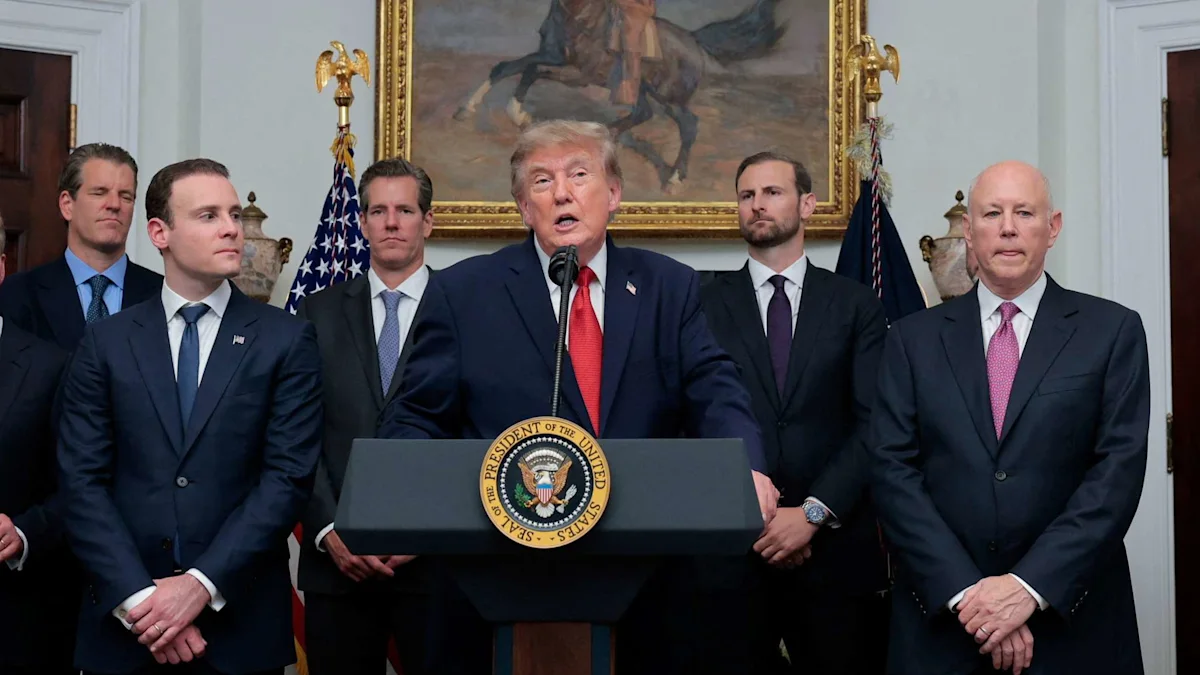
US Treasury Secretary Scott Bessent announced on Wednesday that the department is doubling the size of its buyback programme for US Treasury securities with maturities between 10 and 30 years to $4 billion per operation. The decision aims to lower long-term borrowing costs, which had risen sharply due to competition for capital from AI data-centre builders and concerns over government deficits.
US sovereign debt reached a record $40 trillion on Wednesday. Although yields, which move inversely to prices, fell following the Treasury’s announcement, they resumed an upward trend on Thursday. Bessent stated that the buybacks could be expanded further, arguing that current yields do not reflect the underlying fundamentals.
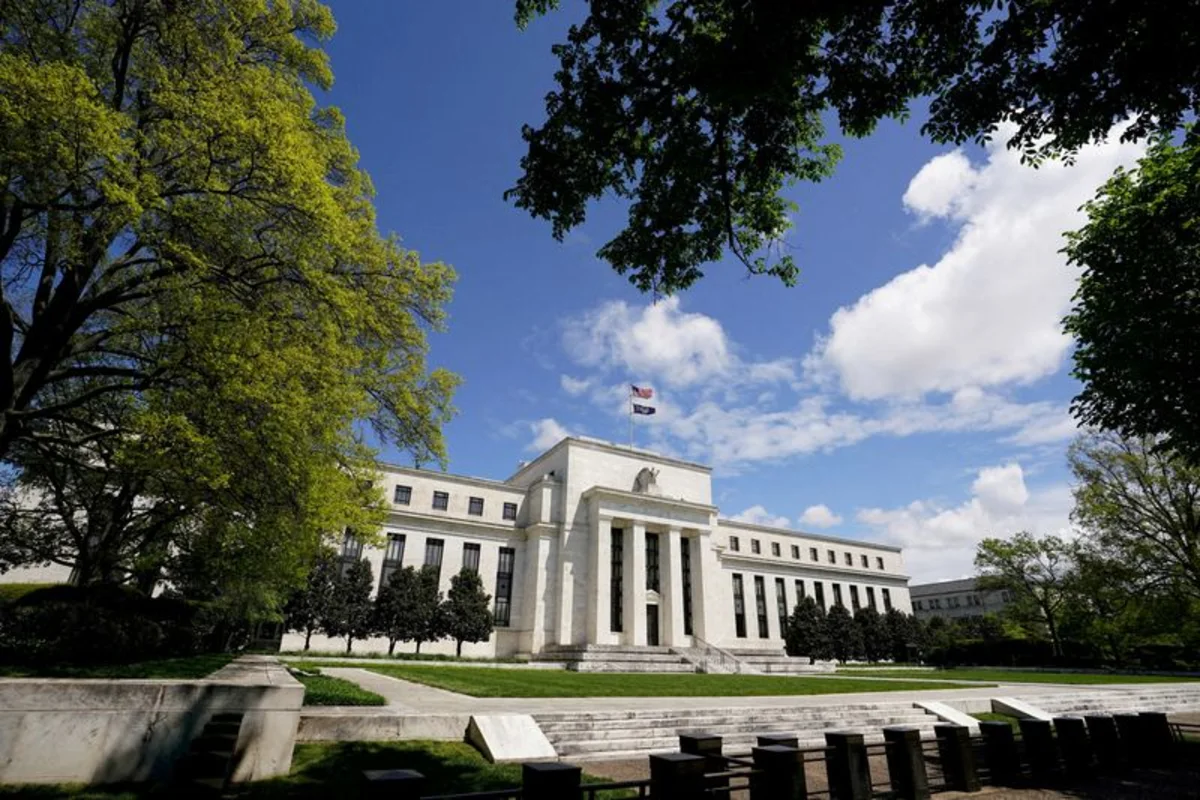
The intervention has raised questions about potential conflicts with Federal Reserve monetary policy. Fed Chairman Kevin Warsh has pledged to deliver price stability and reduce the central bank’s $6.8 trillion balance sheet. Warsh led the Fed to a 9-3 decision last month to leave the policy rate unchanged, while emphasising that the Fed should take its cues from the markets rather than the other way around.
Bessent pushed back on the idea that the Treasury’s drive to push long-term yields lower would work at cross purposes with the Fed’s balance sheet or interest-rate policy. He asserted that the Treasury and the Federal Reserve would work together on any balance sheet changes and that a potential Fed rate hike is unrelated to the buyback decision.
Analysts are debating whether the Treasury’s intervention complicates the Fed’s ability to manage interest rates and inflation. Gennadiy Goldberg, Head of US Rates Strategy at TD Securities, noted that the bar for the Fed to step in with market-stabilising purchases is very high, as there are no signs of liquidity deteriorating enormously or market dysfunction.
Michael Feroli, chief US economist at J.P. Morgan, said he does not see any impact on the Fed’s ability to control short-term interest rates. Late July Federal Open Market Committee meeting minutes, released Wednesday, affirmed that the interest rate target range is the central bank’s main tool. Daleep Singh, chief global economist at PGIM, added that while the Treasury’s action shines a spotlight on a real issue, it does so without a credible strategy to solve it.